The Complete Guide to Skincare for African American Skin: Hyperpigmentation, Melanin, and Evidence-Based Routine
Science-based skincare for African American skin: Understand PIH, safe brightening ingredients, SPF without white cast, and a dermatologist-informed routine.
In this guide
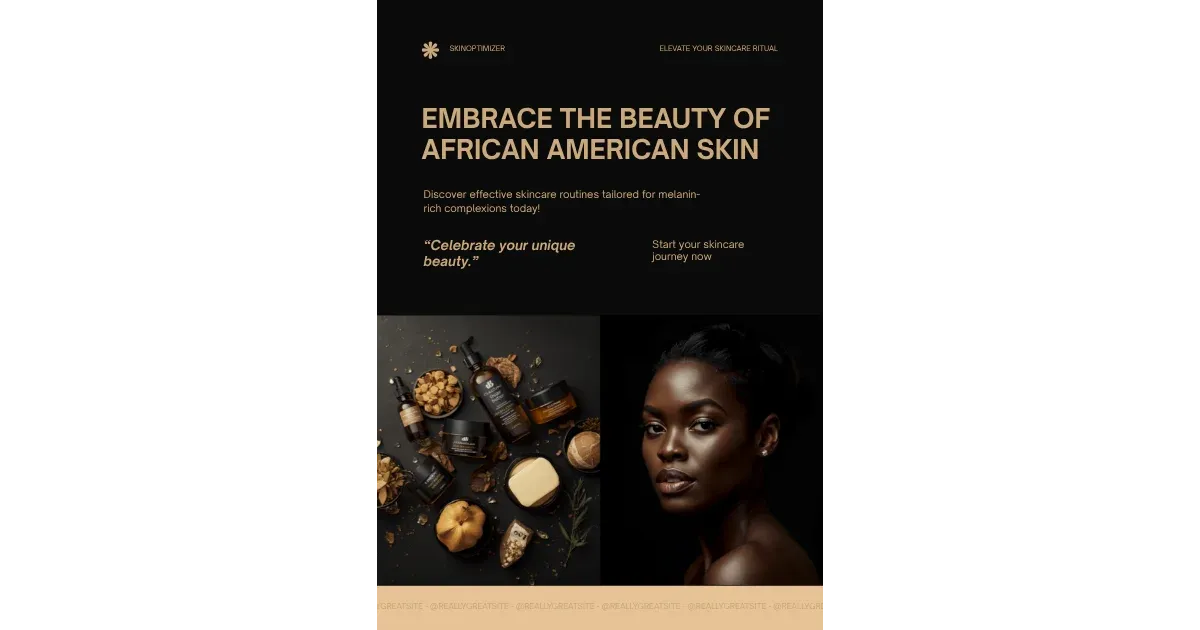
Melanin-rich skin has distinct biological characteristics that require a different approach to skincare. Higher melanin content provides natural photoprotection equivalent to approximately SPF 13, but it also means that any inflammation—from acne, cuts, eczema, or even aggressive skincare—can trigger post-inflammatory hyperpigmentation (PIH) that persists for months. Understanding these differences is not optional. It is the foundation of effective skincare for African American skin.
Want the product picks?
Jump to product picksThis guide is based on current dermatological research on skin of color. It covers the unique biology of melanin-rich skin, the most common concerns, the ingredients that work safely, and the products that address each concern without causing further damage.
⏹ TL;DR — Skincare for African American Skin
- PIH is the #1 concern for melanin-rich skin. Every inflammation can leave a dark mark that lasts months. Prevention through gentle skincare is more effective than aggressive treatment.
- Hydroquinone carries risks for darker skin. Prolonged use can cause ochronosis (paradoxical darkening). Safe alternatives include vitamin C, niacinamide, azelaic acid, and kojic acid.
- SPF without white cast is essential. Mineral sunscreens with zinc oxide often leave a visible cast on darker skin. Tinted mineral sunscreens and chemical sunscreens are better options for daily use.
- Moisturizing is non-negotiable. Melanin-rich skin has lower ceramide levels and higher transepidermal water loss than lighter skin types.
- Gentle exfoliation only. Harsh physical scrubs worsen PIH. Chemical exfoliants like lactic acid and mandelic acid are safer and more effective.
🧪 The Skin Insider
One of the most common mistakes I see in skincare for melanin-rich skin is the use of harsh physical scrubs to treat hyperpigmentation. The logic seems sound: dark spots are on the surface, so scrub them off. But the inflammation caused by aggressive scrubbing triggers more melanin production, creating a vicious cycle of darker spots. Gentle chemical exfoliation with AHAs like lactic or mandelic acid is both safer and more effective for PIH than any scrub.
The Biology of Melanin-Rich Skin
Melanin provides significant but incomplete protection from UV radiation. A 2023 review in PMC on dermatology in black skin confirmed that while melanin reduces the risk of sunburn and skin cancer, it does not prevent UVA-induced photoaging, immune suppression, or hyperpigmentation (PMC, Dermatology in Black Skin).
The same review found that melanin-rich skin has:
- Larger and more numerous melanosomes that are more reactive to inflammation and injury
- Lower ceramide levels in the stratum corneum, leading to increased transepidermal water loss
- Higher sebum production in some individuals, which can contribute to acne
- A tendency toward keloid scarring after injury or inflammation
A separate study on skin care in ethnic populations published in PMC emphasized that many conventional skincare products are not tested on darker skin types, and ingredients that are safe for lighter skin can cause adverse reactions in melanin-rich skin (PMC, Skin Care in Ethnic Populations).
Understanding Hyperpigmentation: PIH vs. Melasma
Post-inflammatory hyperpigmentation (PIH) is the most common skin concern in African American skin. It occurs when inflammation triggers excess melanin production in the affected area. Acne lesions, eczema patches, insect bites, and even aggressive skincare can trigger PIH. The hyperpigmentation appears as flat patches of darkened skin that can range from light brown to deep black depending on the individual’s skin tone and the severity of the original inflammation.
A 2023 review on treatment of PIH in skin of color published in PMC found that early intervention with melanin-suppressing ingredients within the first week of inflammation significantly reduces the severity and duration of PIH (PMC, Treatment of PIH in Skin of Colour). This means treating acne lesions gently from the moment they appear is more effective than trying to fade the dark spot months later.
Melasma is different from PIH. It is a chronic condition triggered by hormonal changes, UV exposure, and genetic predisposition. It appears as symmetrical patches on the face and requires consistent photoprotection and melanin-regulating ingredients to manage.
The key differences between PIH and melasma:
- PIH follows a specific inflammatory event (acne, cut, rash). It is usually well-defined and located where the inflammation occurred. It fades over weeks to months with proper treatment.
- Melasma appears gradually without a clear trigger. It is symmetrical, typically on the cheeks, forehead, and upper lip. It is chronic and requires ongoing management.
- Response to treatment: PIH responds well to topical brighteners. Melasma is more stubborn and often requires combination therapy including prescription medications.
Safe and Effective Ingredients for Melanin-Rich Skin
| Ingredient | Function | Safety for Darker Skin |
|---|---|---|
| Vitamin C (L-Ascorbic Acid) | Brightens, boosts collagen, antioxidant | Safe when formulated at pH 3.5 or lower |
| Niacinamide (Vitamin B3) | Reduces PIH, strengthens barrier, controls oil | Very safe. Start with 2-5% concentration |
| Azelaic Acid | Fades PIH, treats acne, anti-inflammatory | Safe. Start with 10% concentration |
| Kojic Acid | Tyrosinase inhibitor, fades dark spots | Safe in low concentrations (1-2%) |
| Hydroquinone | Powerful melanin inhibitor | Risk of ochronosis with prolonged use. Use only under dermatologist supervision |
The Best Products for Hyperpigmentation and Hydration
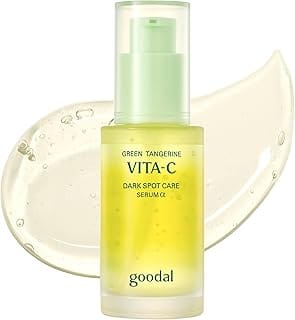
Vitamin C Brightening Serum
A stabilized vitamin C serum used in the morning helps fade existing hyperpigmentation and prevents new dark spots from forming. It also provides antioxidant protection against environmental stressors that trigger melanin production.
Product pick
Goodal Vitamin C Dark Spot Brightening Serum
Why it fits: A vitamin C and 5% niacinamide option for uneven-looking tone and post-blemish marks. Start slowly and pair with daily sunscreen.
Watch-out: Check the ingredient list and introduce it slowly if your skin is reactive.
Shop on Amazon →As an Amazon Associate, we earn from qualifying purchases.
✦ As an Amazon Associate, we earn from qualifying purchases.
🌡
Tinted Sunscreen (No White Cast)
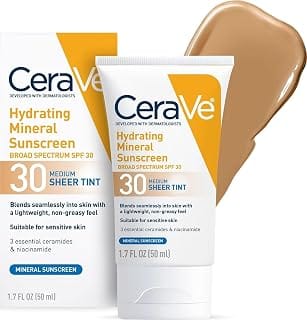
Tinted mineral sunscreens with iron oxides provide broad-spectrum protection without the white cast that traditional zinc oxide sunscreens leave on darker skin. The iron oxides also provide blue light protection, which is particularly beneficial for preventing melasma worsening.
Product pick
CeraVe Hydrating Mineral Sunscreen Sheer Tint SPF 30
Why it fits: A tinted mineral SPF option that may reduce visible cast compared with untinted zinc formulas. Test the shade first on deeper skin tones.
Watch-out: Check the ingredient list and introduce it slowly if your skin is reactive.
Shop on Amazon →As an Amazon Associate, we earn from qualifying purchases.
✦ As an Amazon Associate, we earn from qualifying purchases.
🌟
💡 The Optimizer's Edge
Most guides for darker skin focus on which ingredients to add to your routine. The more important question is which ingredients to remove. Alcohol-based toners, physical scrubs with jagged particles (crushed walnut shell, apricot kernel), and high-concentration retinoids without barrier support can all trigger the inflammation that leads to PIH. For melanin-rich skin, the principle of gentle skincare is not optional. It is the single most important factor in preventing hyperpigmentation before it starts.
Building an Evidence-Based Routine
Morning Routine
- Gentle cleanser → cream or milk cleanser that does not strip the barrier
- Vitamin C serum → brightens and protects against oxidative stress
- Niacinamide serum → strengthens barrier and prevents PIH
- Moisturizer → ceramide-rich cream to prevent TEWL
- Tinted sunscreen SPF 30+ → no white cast, iron oxides for blue light
Evening Routine
- Oil-based cleanser → removes sunscreen and makeup without stripping the barrier. Look for non-comedogenic oils like squalane or jojoba.
- Water-based cleanser → gentle foaming or cream cleanser that does not leave the skin feeling tight or dry.
- Treatment → azelaic acid or lactic acid for PIH, applied 3-4x per week. Do not use on the same night as retinoids.
- Niacinamide or peptide serum → barrier support and PIH prevention during the overnight repair cycle.
- Rich moisturizer → with ceramides, shea butter, or squalane to prevent TEWL and support overnight barrier repair.
Weekly Additions
- Hydrating mask → once per week, a cream-based hydrating mask with ingredients like honey, oat, or aloe vera to soothe and hydrate without irritation.
- Gentle chemical exfoliation → 10% lactic acid or mandelic acid once per week. These AHAs are larger molecules that penetrate slowly, reducing the risk of irritation.
For a complete guide to building a step-by-step routine, see our skincare routine for beginners. For specific guidance on treating PIH safely, read our guide to natural skincare for hyperpigmentation.
What to Avoid
- Hydroquinone overuse. While effective for short-term treatment, prolonged use (over 3-4 months) can cause exogenous ochronosis, a permanent blue-black darkening of the skin.
- Physical scrubs with large particles. Microtears from jagged exfoliants trigger inflammation that leads to more PIH.
- High-percentage retinoids without moisturizer layering. Retinoid-induced irritation can cause significant PIH in darker skin.
- Alcohol-based toners and astringents. They strip the barrier and increase the risk of post-inflammatory pigmentation.
What the Research Says
A 2023 review of PIH in dark skin published in PMC examined the molecular mechanisms behind post-inflammatory pigmentation. The authors found that melanocytes in darker skin are more sensitive to inflammatory signals, producing melanin more readily and for longer periods in response to the same level of inflammation. This confirms that prevention of inflammation is more effective than treating PIH after it appears (PMC, PIH in Dark Skin).
The American Academy of Dermatology recommends that patients with skin of color use gentle skincare products, avoid physical exfoliants, and wear broad-spectrum sunscreen daily. They also advise against self-treatment with hydroquinone without medical supervision, noting that the risk of ochronosis is significantly higher in melanin-rich skin types.
Beyond the research discussed above, a 2022 review in PMC examined the specific barrier properties of darker skin types and found that melanin-rich skin has a slower barrier recovery rate after disruption compared to lighter skin. This means that once the barrier is compromised, it takes longer to heal, leaving the skin vulnerable to further inflammation and PIH. This finding underscores the importance of barrier-supporting ingredients like ceramides, niacinamide, and cholesterol in every step of the routine.
For additional guidance on building a gentle, effective routine for sensitive skin of color, see our guide to skincare routine for sensitive skin and moisturizing tips for darker skin.
✔ Your Clear Skin Checklist
- Step 1: Remove all physical scrubs and alcohol-based products from your routine. Switch to gentle chemical exfoliation.
- Step 2: Add a vitamin C serum in the morning and a niacinamide serum in the evening for PIH prevention.
- Step 3: Replace your current sunscreen with a tinted SPF 30+ that does not leave a white cast.
- Step 4: Introduce azelaic acid 3-4 times per week to fade existing dark spots.
- Step 5: If you have used hydroquinone for more than 3 months, consult a dermatologist about alternatives.
- Step 6: Be patient. PIH fades slowly. Consistent gentle care over 8-12 weeks produces visible improvement.
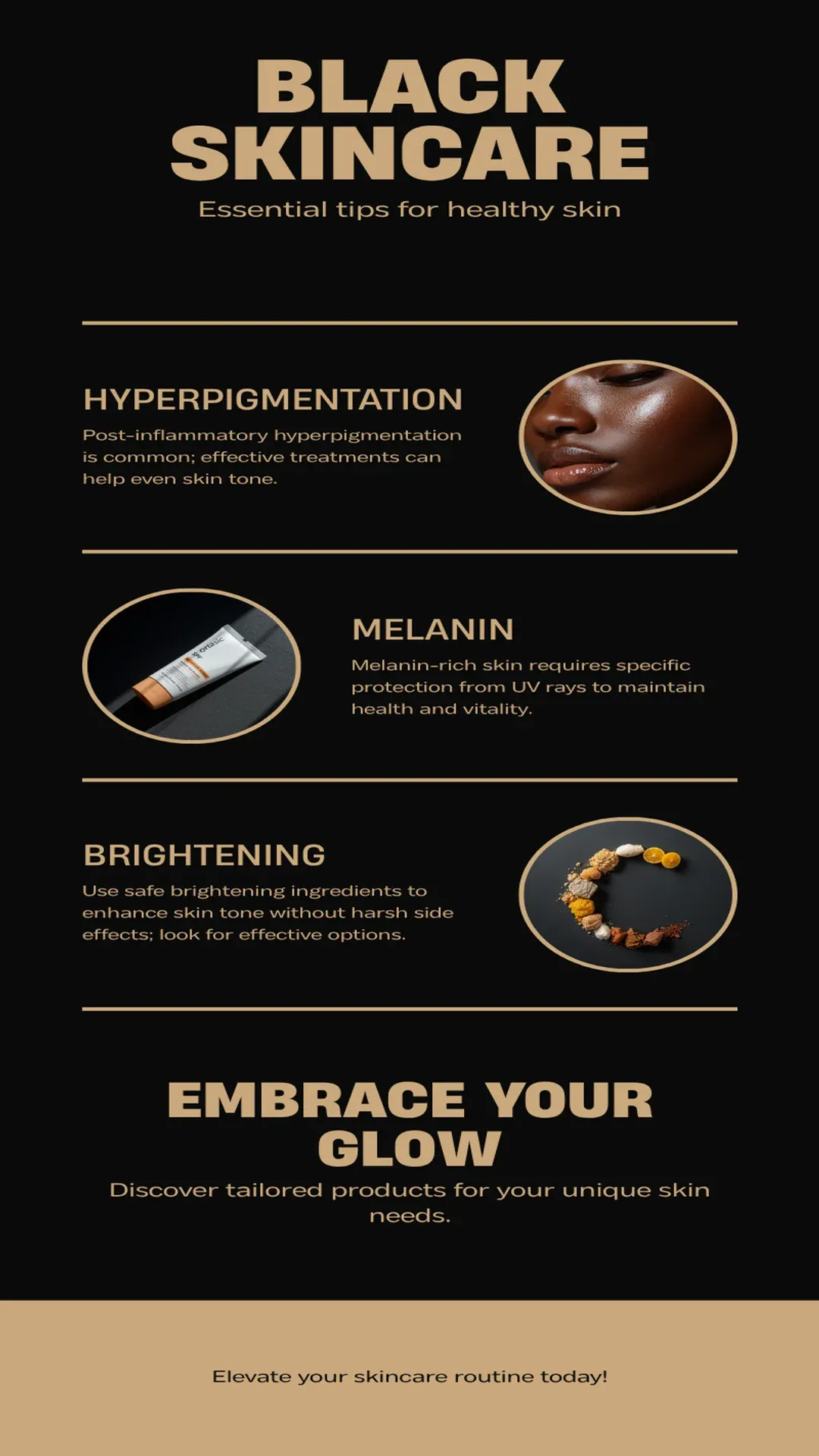
Frequently Asked Questions About African American Skincare
Is sunscreen really necessary for darker skin?
Yes. While melanin provides natural SPF approximately 13, it does not protect against UVA-induced photoaging or hyperpigmentation. Sunscreen also prevents existing dark spots from darkening further. A tinted SPF 30 is the minimum daily requirement.
Can I use retinol on African American skin?
Yes, but with caution. Start with a low concentration (0.25-0.3%) and use the sandwich method (moisturizer, retinol, moisturizer) to minimize irritation. Retinol-induced inflammation can trigger PIH, so slow introduction is essential.
Why does my skin get dark spots after acne?
This is post-inflammatory hyperpigmentation (PIH). When the skin experiences inflammation, melanocytes produce excess melanin in the affected area. In melanin-rich skin, this response is stronger and lasts longer. Treat the acne gently and use vitamin C or azelaic acid to speed up fading.
How do I find a sunscreen that does not leave a white cast?
Look for tinted mineral sunscreens with iron oxides, or chemical sunscreens with filters like avobenzone and octocrylene. Avoid sunscreens with high percentages of non-micronized zinc oxide or titanium dioxide. Test on your jawline before purchasing.
Should I avoid hydroquinone completely?
Not completely, but it should only be used under dermatologist supervision for short periods (2-3 months). Prolonged unsupervised use can cause exogenous ochronosis, a paradoxical darkening that is difficult to treat.
This article is for informational purposes only and does not replace professional dermatological advice.