Effective Natural Skincare for Hyperpigmentation
Evidence-based guide to natural skincare for hyperpigmentation. Learn which ingredients work — azelaic acid, niacinamide, tranexamic acid, vitamin C — and how to build an effective routine.
In this guide
Hyperpigmentation is one of the most common and frustrating skin concerns. Dark patches, post-acne marks, and uneven tone can persist for months or years.
The instinct is often to reach for prescription treatments like hydroquinone. But growing evidence supports a range of natural, science-backed ingredients that can be equally effective - particularly for long-term use. For a broader foundation on pigment management, explore our guide to ingredient-based skincare.
This guide reviews the highest-evidence natural skincare ingredients for hyperpigmentation, explains how each one works at the melanin pathway level, and provides a clear framework for building an effective routine that delivers visible results without unnecessary irritation.
TL;DR - Natural Skincare for Hyperpigmentation
- Azelaic Acid (10-20%) - one of the most clinically effective natural depigmenting agents; inhibits tyrosinase, reduces inflammation, safe for darker skin
- Tranexamic Acid (2-5%) - 2025 trial shows it equals 4% hydroquinone for melasma, with fewer side effects
- Niacinamide (4-5%) - blocks melanosome transfer, reducing pigment without irritation
- Vitamin C (10-20%) - antioxidant protection plus tyrosinase inhibition at multiple pathway points
- Daily Sunscreen SPF 50+ - non-negotiable; UV triggers melanin and reverses all treatment progress
- Novel Peptides - emerging 2025 research identifies sequences that potently inhibit melanin synthesis
The Skin Insider
One pattern we have observed across hundreds of skincare routines: most people treat hyperpigmentation with a single active ingredient and expect rapid results.
The melanin pathway is complex - tyrosinase, TRP-1, TRP-2, melanosome transfer, and inflammation all play distinct roles. The most effective strategies combine two or more ingredients that target different pathway points.
A 2018 systematic review in the Journal of the American Academy of Dermatology found that combination treatments consistently outperformed monotherapy for melasma and post-inflammatory hyperpigmentation. The optimal approach is strategic layering, not ingredient accumulation.
Understanding Hyperpigmentation: The Melanin Pathway
Hyperpigmentation occurs when melanocytes - the pigment-producing cells in the basal layer of the epidermis - produce excess melanin. This process is driven by the enzyme tyrosinase, which converts tyrosine into dopaquinone, the precursor to both eumelanin (brown-black) and pheomelanin (red-yellow).
Two related enzymes, tyrosinase-related protein-1 (TRP-1) and TRP-2, regulate the downstream synthesis pathway.
Natural skincare ingredients target hyperpigmentation at different points in this pathway. Some inhibit tyrosinase activity directly. Others interrupt melanosome transfer to keratinocytes, accelerate epidermal turnover of pigmented cells, or reduce the inflammatory signals that trigger melanocyte activation.
Understanding which mechanism an ingredient targets helps build a rational combination routine.
| Type | Primary Cause | Appearance | Best Approach |
|---|---|---|---|
| PIH | Inflammation (acne, eczema, injury) | Flat spots at former inflammation sites | Azelaic acid, niacinamide, vitamin C, sunscreen |
| Melasma | Hormonal (pregnancy, birth control, thyroid) | Symmetrical brown patches on cheeks, forehead | Tranexamic acid, azelaic acid, strict sun protection |
| Solar Lentigines | Chronic UV exposure | Discrete dark spots on sun-exposed areas | Vitamin C, retinoids, kojic acid, sunscreen |
Fitzpatrick skin types IV-VI are at higher risk for hyperpigmentation because melanocytes in darker skin produce more melanin in response to both inflammation and UV exposure.
According to the American Academy of Dermatology, darker skin tones require particularly cautious ingredient selection to avoid triggering additional pigment through irritation.
Evidence-Based Natural Ingredients for Hyperpigmentation
Each ingredient below is supported by peer-reviewed clinical research. We prioritize ingredients with controlled human trials over in vitro data alone.
Azelaic Acid
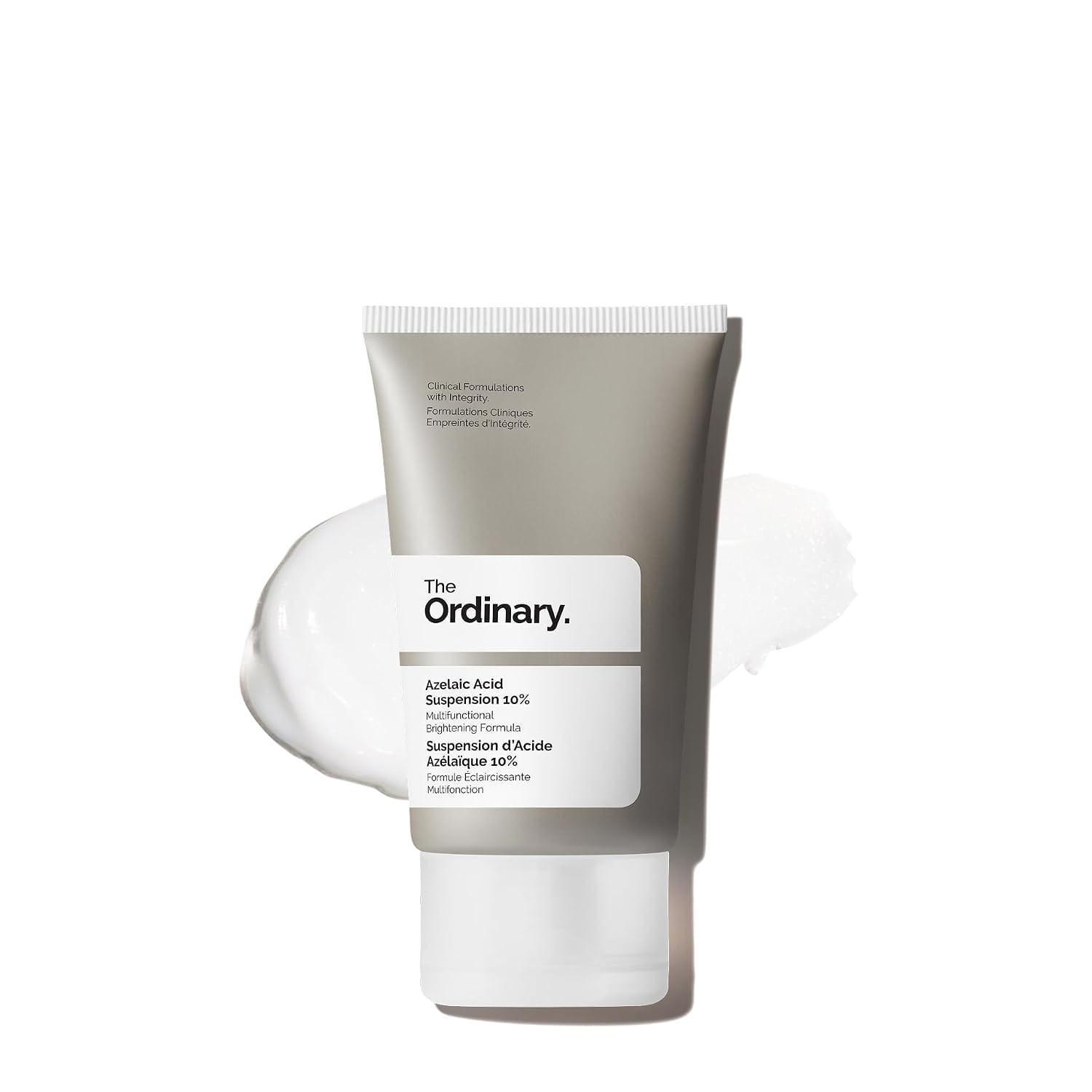
Azelaic acid is a naturally occurring dicarboxylic acid produced by yeast Malassezia furfur. It inhibits tyrosinase activity and mitochondrial enzymes in hyperactive melanocytes, making it selective for pigmented cells while leaving normal melanocytes unaffected.
For product-specific recommendations, see our best azelaic acid products guide.
- Clinical efficacy: 15-20% azelaic acid is comparable to 4% hydroquinone for melasma, with significantly fewer side effects
- Safety profile: Excellent for darker skin tones - does not cause irritation or rebound hyperpigmentation
- Evidence base: The JAAD systematic review confirms it as a first-line depigmenting agent for both melasma and PIH
- Dual action: Anti-inflammatory properties make it ideal for acne-related hyperpigmentation
Tranexamic Acid
Tranexamic acid (TXA) was originally developed as an antifibrinolytic medication. Its depigmenting effect was discovered incidentally when patients taking oral TXA reported skin lightening.
TXA inhibits plasminogen activation in keratinocytes, which reduces prostaglandin-mediated melanocyte stimulation and decreases tyrosinase activity.
- Broad efficacy: Effective for melasma, PIH, and solar lentigines across topical, intradermal, and oral delivery methods
- Landmark 2025 trial: A 2% TXA and 2% niacinamide niosomal cream was as effective as 4% hydroquinone for melasma, with significantly fewer adverse effects
- Comprehensive review: A 2025 PMC review confirms TXA as effective across multiple delivery methods
Niacinamide (Vitamin B3)
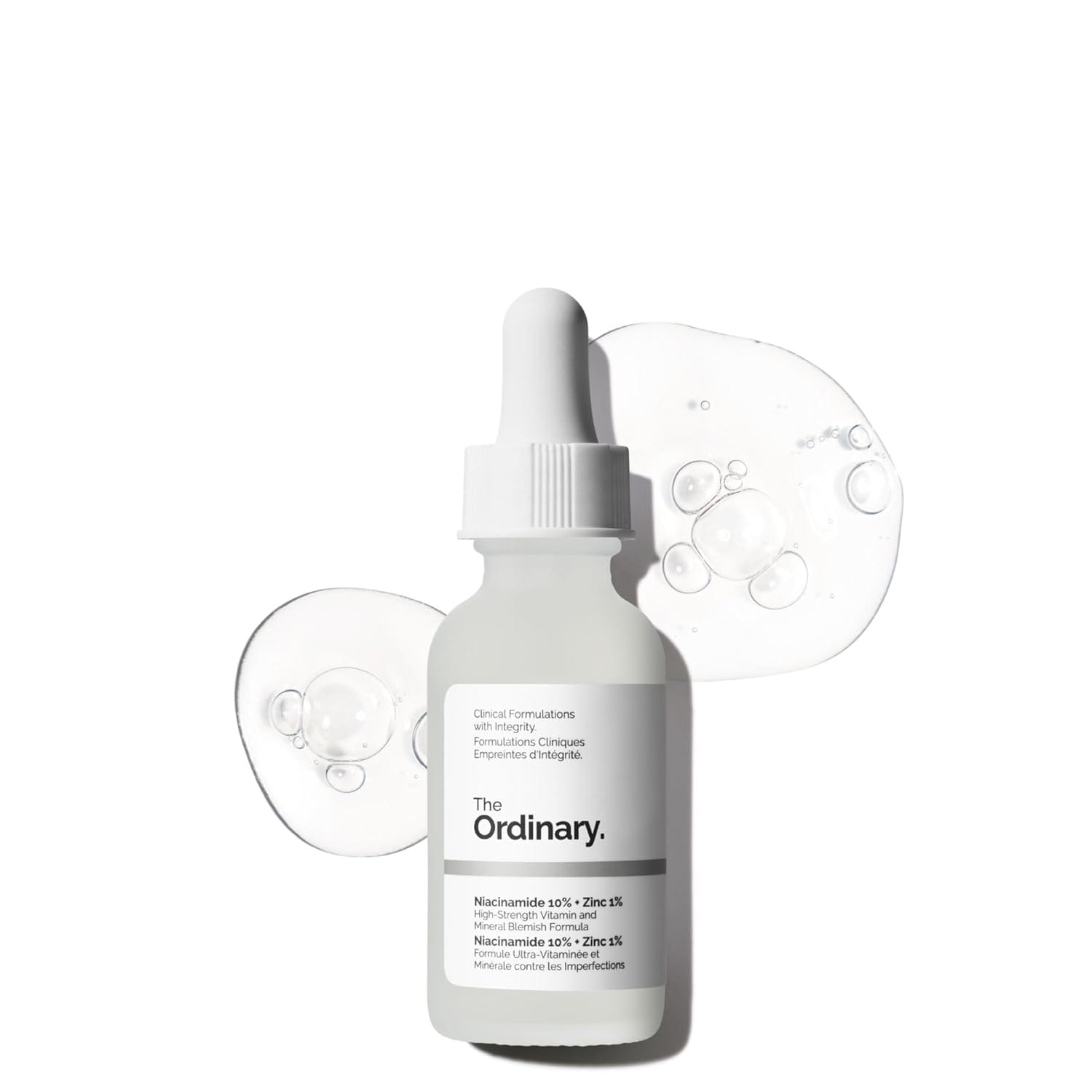
Niacinamide works through a unique mechanism: it blocks melanosome transfer from melanocytes to keratinocytes, preventing pigment from reaching the skin surface. This makes it particularly valuable in combination therapy since its mechanism complements tyrosinase inhibitors.
A 4-5% concentration has been shown in multiple controlled trials to produce significant reductions in hyperpigmentation after 8-12 weeks of use, with an excellent safety profile suitable for all skin types.
For sensitive and reactive skin types, see our guide on skincare ingredients to avoid for darker skin to ensure safe product selection.
Vitamin C (L-Ascorbic Acid)
L-ascorbic acid inhibits tyrosinase at two distinct points - it reduces dopaquinone formation and interrupts the oxidation steps that convert melanin precursors into pigment.
At concentrations of 10-20% with a pH below 3.5, vitamin C also provides potent antioxidant protection against UV-induced oxidative stress that triggers melanocyte activation.
- Stabilized alternatives: Ascorbyl glucoside and tetrahexyldecyl ascorbate are more shelf-stable options for sensitive skin
- Best for: Photoaging and solar lentigines, where UV damage is the primary driver
For in-depth product comparison, browse our vitamin C serum recommendations.
Kojic Acid
Kojic acid is a fungal metabolite that chelates copper ions at the active site of tyrosinase, directly inhibiting melanin synthesis. It is most effective at 1-4% concentration.
The primary limitation is formulation stability - kojic acid oxidizes readily and loses efficacy. Look for stabilized formulations or combination products that pair kojic acid with arbutin or niacinamide.
Licorice Extract (Glabridin)
The isoflavonoid glabridin from licorice root inhibits tyrosinase and has anti-inflammatory properties that reduce the inflammatory signals driving post-inflammatory hyperpigmentation.
Clinical evidence supports its use for both melasma and PIH, particularly in combination with other active ingredients. It is well-tolerated across all skin types.
Emerging Evidence: Peptide-Based Melanin Inhibition
Recent research is opening a new frontier in hyperpigmentation treatment. A 2025 review in PMC catalogs a growing class of peptides that inhibit melanin synthesis through multiple mechanisms.
- Multiple mechanisms: Direct tyrosinase inhibition, downregulation of melanogenic enzyme expression, interference with melanosome maturation
- 2024 peptide design study: Identified novel sequences with potent anti-melanogenesis activity that avoided cytotoxicity
- Future direction: Most peptide treatments remain in clinical development, but they represent a promising direction for natural hydroquinone alternatives
Ingredient Comparison at a Glance
| Ingredient | Mechanism | Effective Concentration | Evidence Level | Best For |
|---|---|---|---|---|
| Azelaic Acid | Tyrosinase inhibitor, anti-inflammatory | 10-20% | High - multiple RCTs vs hydroquinone | Melasma, PIH, acne with pigment |
| Tranexamic Acid | Plasminogen inhibitor, reduces melanocyte stimulation | 2-5% | High - 2025 Nature trial equals hydroquinone | Melasma, especially hormonal |
| Niacinamide | Blocks melanosome transfer | 4-5% | High - multiple controlled trials | All hyperpigmentation types, maintenance |
| Vitamin C | Tyrosinase inhibitor, antioxidant | 10-20% | Moderate-High - strong mechanistic data | Photoaging, solar lentigines |
| Kojic Acid | Copper chelation at tyrosinase active site | 1-4% | Moderate - stability limits clinical data | Melasma, PIH (in stabilized form) |
| Licorice Extract | Tyrosinase inhibitor, anti-inflammatory | As formulated | Moderate - clinical data but few large trials | PIH, sensitive skin |
The Optimizer's Edge
Most hyperpigmentation guides treat all dark spots as the same problem. The clinical reality is different - melasma, PIH, and solar lentigines respond to different ingredient combinations because their underlying mechanisms differ.
Melasma involves hormonal melanocyte stimulation that responds best to TXA with azelaic acid. PIH is driven by inflammatory mediators that make niacinamide and licorice extract more appropriate first choices. Solar lentigines from chronic UV damage require antioxidant protection (vitamin C) alongside tyrosinase inhibition.
The most common mistake is using a single ingredient for all three. The most effective approach is matching the mechanism to the cause.
Building Your Natural Hyperpigmentation Routine
Morning Routine
- Cleanser - gentle, non-stripping gel or cream cleanser
- Vitamin C Serum (10-20%) - apply to dry skin, wait 2-3 minutes for absorption
- Niacinamide Serum (5-10%) - can be layered over vitamin C or alternated
- Moisturizer - ceramide-based or barrier-supporting formula
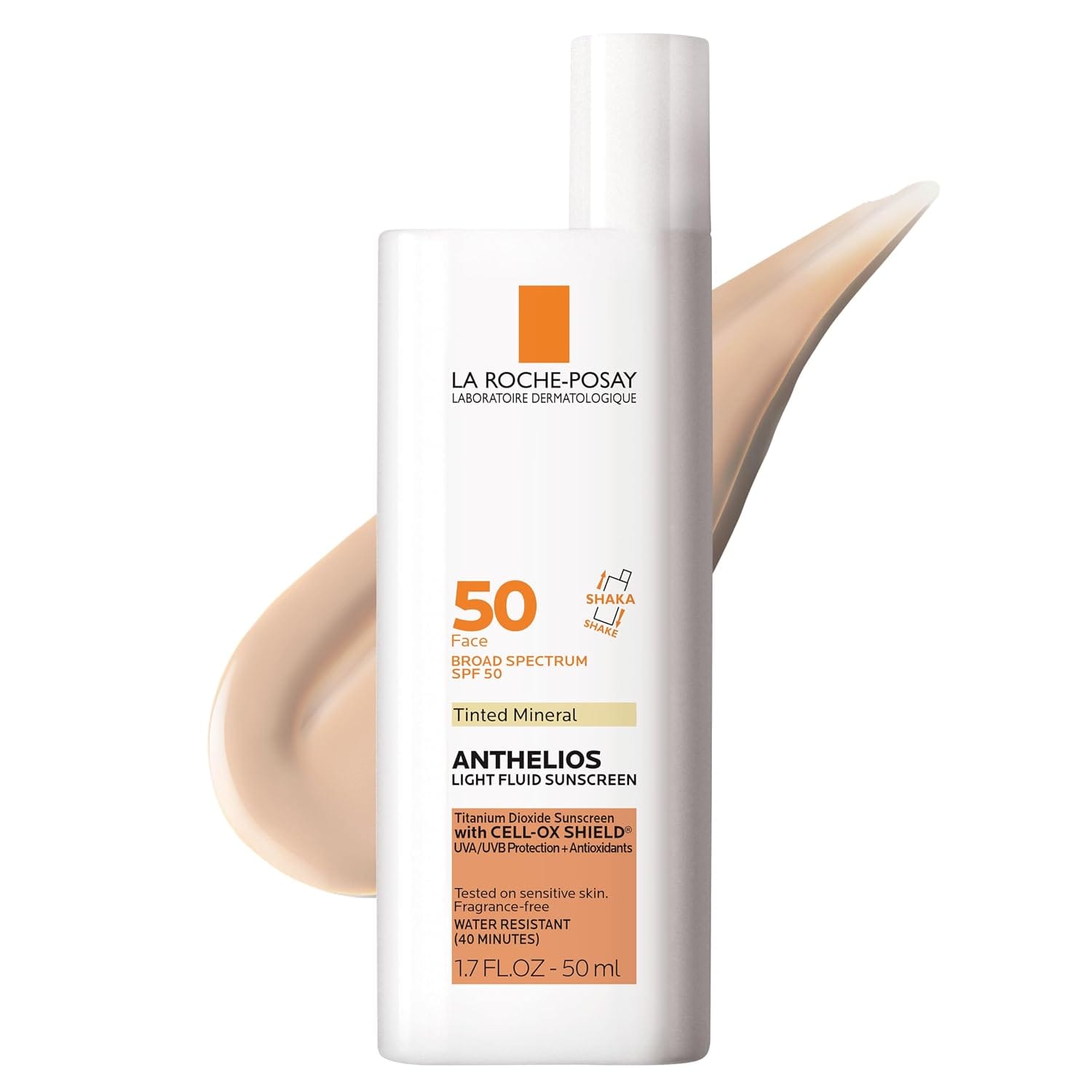
- Mineral Sunscreen SPF 50 - zinc oxide or titanium dioxide, apply 2 mg/cm�
Evening Routine
- Oil Cleanser - remove sunscreen and impurities
- Gentle Gel Cleanser - second cleanse
- Treatment Step - azelaic acid (10-20%) or tranexamic acid serum (2-5%), depending on your primary pigmentation type
- Moisturizer - richer formula for overnight barrier repair
Important: Introduce one active ingredient at a time with 2-3 weeks between additions. Apply a patch test to the inner arm for 5-7 days before using any new product on the face.
If irritation occurs, reduce frequency to every other night before discontinuing.
When Natural Skincare Is Not Enough
For readers also managing hormonal breakouts alongside hyperpigmentation, our hormonal acne guide covers the intersection of acne and pigment management.
Natural ingredients can produce meaningful results for mild to moderate hyperpigmentation. But some cases require professional intervention.
If you have used a consistent routine with evidence-based ingredients for 12-16 weeks without visible improvement, or if hyperpigmentation is causing significant distress, consult a board-certified dermatologist.
Professional treatments that may be appropriate include:
- Prescription azelaic acid (15-20% gel)
- Prescription tranexamic acid (oral or topical)
- Chemical peels (glycolic, lactic, or mandelic acid with Fitzpatrick-specific protocols)
- Laser treatments (low-fluence Q-switched Nd:YAG or picosecond lasers for darker skin)
The DermNet clinical guide notes that PIH often resolves over 6-12 months with consistent sun protection alone. Treatment should never introduce additional inflammation.
Educational skincare guide. Not medical advice.
Conclusion
Effective natural skincare for hyperpigmentation is not about avoiding all synthetic ingredients. It is about choosing ingredients with clinical evidence for melanin pathway disruption.
Use them in rational combinations that target multiple mechanisms - azelaic acid plus niacinamide, or TXA plus vitamin C. Maintain a consistent routine with strict photoprotection over 12-16 weeks minimum.
The ingredients with the strongest evidence - azelaic acid, tranexamic acid, niacinamide, and vitamin C - are all available without prescription and can produce significant visible improvements when used correctly.
Emerging peptide-based treatments may expand the natural toolkit further in coming years. For persistent or severe hyperpigmentation, consult a board-certified dermatologist who can offer prescription options or in-office procedures while maintaining the foundation of a solid natural routine.
✔ Your Clear Skin Checklist
- Step 1: Confirm your hyperpigmentation type - PIH (post-acne marks), melasma (hormonal patches), or solar lentigines (sun spots). This determines the best ingredient strategy.
- Step 2: Choose 2 ingredients from the evidence table above that target different pathway points (e.g., azelaic acid + niacinamide, or TXA + vitamin C). Introduce one at a time over 4-6 weeks.
- Step 3: Apply sunscreen SPF 50 every single morning without exception. This is the single most important step.
- Step 4: Photograph your skin in consistent lighting every 4 weeks. Subjective assessment is unreliable - visual documentation reveals real progress.
- Step 5: If no improvement after 16 weeks of consistent use, consult a board-certified dermatologist for prescription options.
Frequently Asked Questions About Natural Skincare for Hyperpigmentation
How long does it take for natural ingredients to work on hyperpigmentation?
Can I combine multiple natural ingredients for faster results?
Are natural ingredients safe for darker skin tones?
What is more important — the active ingredient or sunscreen?
Can peptides replace hydroquinone for hyperpigmentation?
This article is for informational purposes only and does not replace professional dermatological advice.