Best Cleansers for Mature Skin: Gentle Picks for Dryness and Sensitivity
A gentle cleanser guide for mature skin organized by dryness, sensitivity and makeup-removal needs.

In this guide

- Choose by comfort and removal job, not age claims on the front label.
- Cream and lotion cleansers suit dry mature skin; a simple low-foam cleanser may suit oilier or combination mature skin.
- Oil cleansers and balms are useful for makeup and SPF but do not automatically require a harsh second wash.
- Persistent itching, cracking, bleeding, rash, or a changing lesion needs qualified care rather than another cosmetic cleanser.
Prefer the recommendations first?
The early shortlist is organized by dryness, sensitivity, and makeup-removal needs, with clear limitations for every pick.
Searching for the best facial cleanser for mature skin often leads to lists full of luxury products and “anti-aging” promises. Cleansing has a more modest but important job: remove what needs to leave while respecting skin that may be drier, thinner, more sensitive, or slower to recover from friction. The right cleanser supports the routine by creating less discomfort. It does not lift the face, replace lost collagen, or make wrinkles disappear during a short rinse.
We use a decision-first approach. Begin with how the skin feels, then consider makeup, sunscreen, acne, rosacea, eczema, retinoids, climate, and personal texture preference. The National Institute on Aging notes that older adults may produce less oil and sweat and that hot water or too much soap can worsen dryness. That makes gentleness a useful default—but mature skin can still be oily, combination, acne-prone, or intolerant of a heavy residue.
Best Cleansers for Mature Skin: Three Early Picks
These editorial examples cover three common routine needs and appear near the start of the guide so the buying options are not hidden at the bottom. They are selected by current label and routine fit, not by invented testing or universal approval. Always check the latest ingredient list and directions.
| Primary need | Practical starting point | Main limitation |
|---|---|---|
| Dryness and a lotion-like cleanse | CeraVe Hydrating Facial Cleanser | May not remove resistant makeup alone |
| Sensitivity with a cleaner rinse | Vanicream Gentle Facial Cleanser | Can still feel drying when overused |
| Low-lather cream texture | Cetaphil Gentle Skin Cleanser | Conditioned finish may feel too filmy for some |
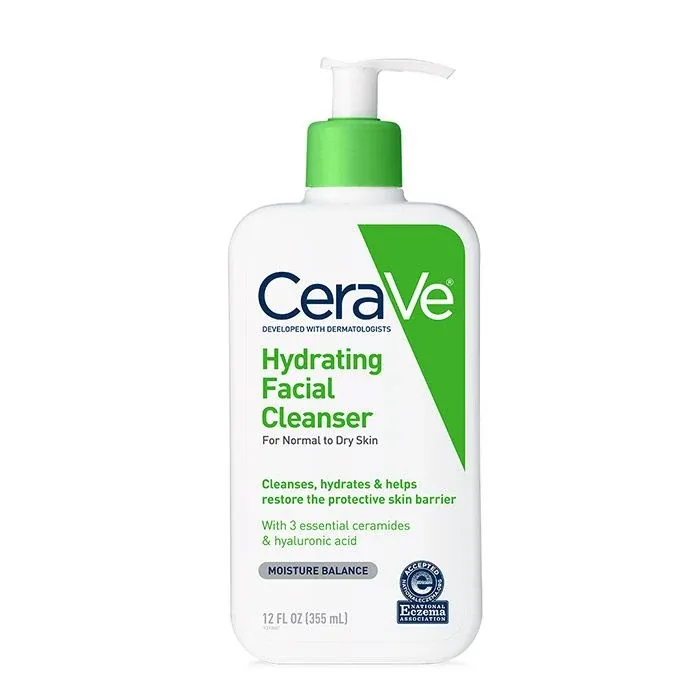
Who it fits: dry mature skin wanting a non-foaming lotion texture. Why it fits: it is a straightforward fragrance-free baseline when post-rinse tightness is the main problem. Watch-out: the conditioned finish may feel heavy, and resistant makeup or sunscreen may require a separate first cleanse.
Check CeraVe Hydrating options on Amazon
Who it fits: sensitive mature skin wanting a fragrance-free cleanser that rinses relatively clean. Why it fits: it keeps the cleansing role simple when acids and anti-aging actives already appear elsewhere in the routine. Watch-out: no formula is allergy-proof, and using it morning and night may still be too frequent for very dry skin.
Check Vanicream options on Amazon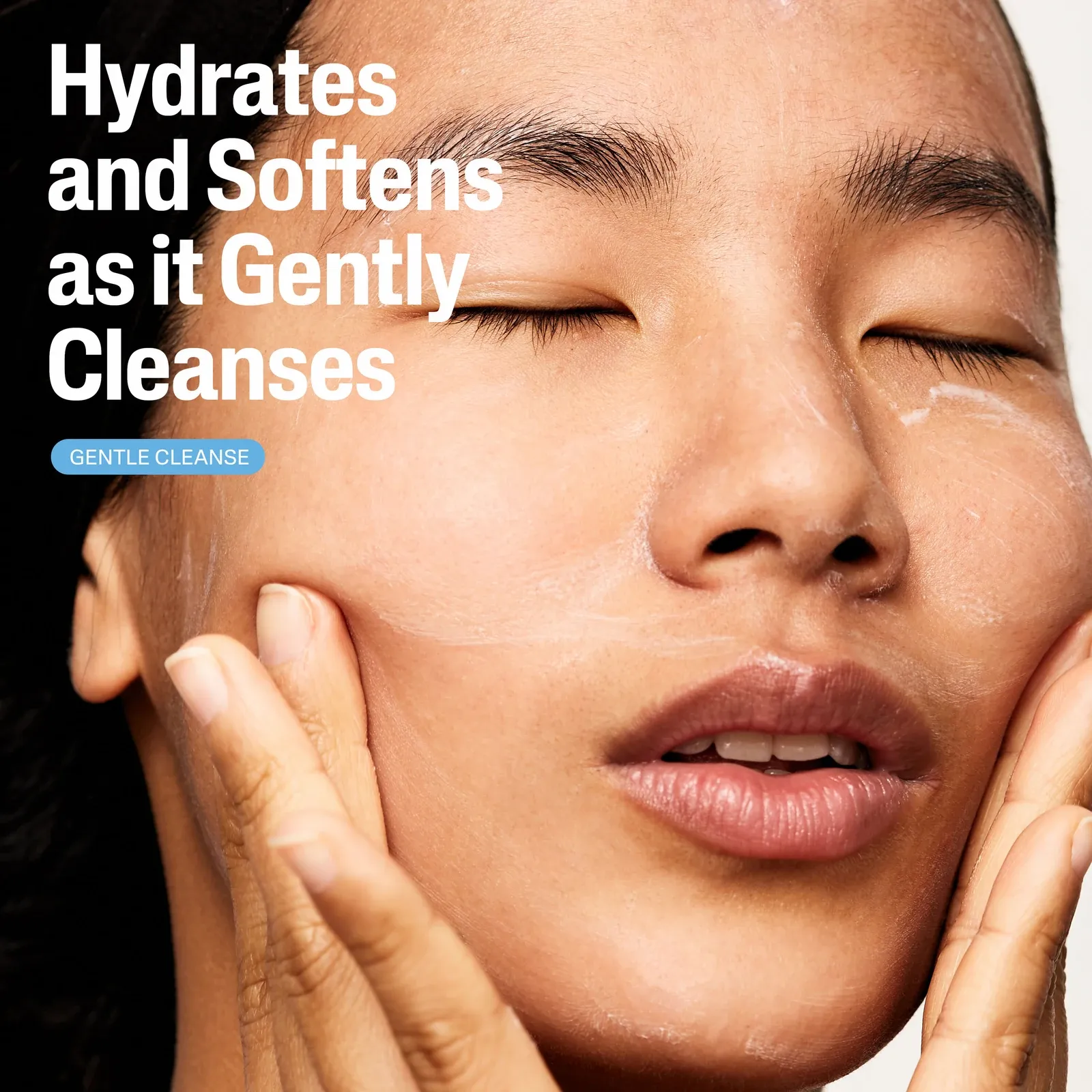
Who it fits: normal-to-dry mature skin preferring a creamy, low-lather cleanser. Why it fits: it offers a simple rinse-or-wipe format for readers who dislike foam. Watch-out: it is not an acne treatment, may feel too conditioned for oily areas, and may not remove resistant layers alone.
Check Cetaphil Gentle options on AmazonAs an Amazon Associate, we earn from qualifying purchases. Product availability, formulas, packaging, and prices can change.
The Skin Insider
A cleanser does not need retinol, acids, peptides, or “collagen” positioning to belong in a mature-skin routine. In many cases, a simple rinse-off step leaves more room for carefully chosen leave-on products to do their jobs without extra irritation.
Which Cleanser Type Is Best for Mature Skin?
| Cleanser type | Best use | Watch-out |
|---|---|---|
| Cream or lotion | Dryness, tightness, winter, or a retinoid routine | May leave a conditioned film or need help with heavy makeup |
| Low-foam gel | Combination or oily mature skin wanting a clean rinse | Fragrance and strong actives can still irritate |
| Oil cleanser | Breaking down makeup and water-resistant sunscreen | Some formulas leave residue; emulsification matters |
| Cleansing balm | Dry skin and targeted evening removal | Fragrance and washcloth friction can undermine gentleness |
| Micellar water | Light removal or low-water situations | Repeated cotton-pad rubbing may irritate fragile skin |
| Exfoliating cleanser | A deliberate texture or acne goal on tolerant skin | Short contact limits benefit while repeated use may add dryness |
The American Academy of Dermatology recommends a gentle, non-abrasive cleanser without alcohol, lukewarm water, fingertips, and no scrubbing. It also recommends limiting face washing to twice daily and after sweating. Mature skin does not necessarily need two full cleanses every day; frequency should follow oil, sweat, products, and comfort.
Best cleanser for dry mature skin
Start with a fragrance-free cream or lotion cleanser. Use it once in the evening, then decide whether morning cleansing adds value. If the face is comfortable on waking and no heavy overnight product needs removal, a water rinse can be enough. Follow with moisturizer rather than expecting the cleanser itself to replace a leave-on product.
Humectants such as glycerin and conditioned textures may reduce the stripped sensation, but rinse-off ingredients have limited contact time. The larger goal is to avoid removing more surface oil than necessary. Our moisturizers for aging skin guide compares the leave-on formulas that do the heavier hydration and comfort work.
Best cleanser for sensitive mature skin
“Sensitive” can mean stinging, flushing, allergy, eczema, rosacea, treatment irritation, or another condition. No front-label claim can identify the cause. A simple fragrance-free cleanser is a sensible starting point, but even mild-looking botanical extracts, preservatives, or surfactants can be triggers for an individual. Keep the rest of the routine stable while testing.
DermNet's soap and cleanser overview describes how cleansing agents remove oils and how fragrance, preservatives, botanicals, and other ingredients may contribute to irritation or allergy in some people. This is why “natural,” “clean,” and “hypoallergenic” should not replace a full label check.
If the skin has persistent redness, burning, scaling, swelling, hives, or cracking, stop experimenting and seek qualified care. Our dry and sensitive cleanser guide gives a barrier-first comparison without treating eczema or rosacea as cosmetic skin types.
Best cleanser for mature combination or acne-prone skin
Mature skin can still produce oil and develop acne. Choose a simple low-foam cleanser if the entire face tolerates it. When breakouts are the defined concern, add an active product deliberately rather than forcing salicylic acid, benzoyl peroxide, and exfoliating acids into every step. The acne-prone cleanser guide explains how to separate daily cleansing from treatment.
Move toward a gentler cleanser when:
- Moisturizer stings immediately after washing.
- The face feels tight before it is fully dry.
- Retinoid or exfoliant use has recently increased.
- Cold weather, menopause-related dryness, or indoor heating changes comfort.
Ingredients and Claims to Read Carefully
A mature-skin cleanser does not need a long list of actives. Formula quality matters more than collecting fashionable ingredients in a product that is rinsed away. Use the label to screen for obvious mismatches and to understand the format—not to predict a guaranteed result.
Fragrance
Removing fragrance is a useful way to reduce variables when skin is dry or reactive.Exfoliating acids
They can suit a defined goal, but daily cleanser contact may add irritation to a retinoid or leave-on acid routine.“Collagen” cleansers
A rinse-off cosmetic cannot replace the skin's structural collagen or lift sagging skin.Essential oils
A spa-like scent does not make a cleanser gentler and can create an avoidable trigger.Ceramides and glycerin
These can support a comfortable formula, but the full surfactant system determines the rinse.Current label
Formulas change. Verify the bottle or manufacturer page instead of relying on an old review.
Be skeptical of claims that a cleanser “rebuilds collagen,” erases wrinkles, or visibly lifts skin after washing. The National Institute on Aging advises skepticism toward anti-aging cosmetic claims and notes that many cosmetics are not required to be tested in humans before marketing. A cleanser can be a good routine choice without pretending to be a treatment.
Makeup and Sunscreen Removal for Mature Skin
Removal power matters because repeated wiping can be more irritating than using a suitable first cleanser. Long-wear foundation, eye makeup, and water-resistant sunscreen may not dissolve with a mild lotion cleanser alone. Rather than scrub, use an oil or balm where the residue is concentrated.
| What you wear | Practical approach | Stop rule |
|---|---|---|
| No makeup; light sunscreen | One gentle cleanser in the evening | Stop after one comfortable rinse |
| Water-resistant sunscreen | Oil or balm first, emulsify, rinse | Add a second cleanse only if residue remains |
| Long-wear face makeup | Oil or balm over the full face | Do not compensate with rough cloth pressure |
| Eye or lip makeup | Use a targeted remover and minimal rubbing | Stop if the eye area burns or becomes swollen |
Double cleansing can be useful, but it is not automatically gentler. A first cleanser followed by a strong foaming wash may remove more than necessary. Check whether the first step has already done the job. Our guides to cleansing oils and cleansing balms compare first-step formats and residue tradeoffs.
The Optimizer's Edge
Use the cleanser that matches tonight's layers. A full makeup day may need an oil or balm; a quiet day with light sunscreen may need one cream cleanser. Fixed rituals are less useful than matching removal power to the actual job.
A Gentle Morning and Evening Routine
Morning
Use lukewarm water or a small amount of gentle cleanser. Cleanse when overnight products, oil, or sweat create a need; do not wash automatically if water alone leaves the face comfortable. Pat dry, moisturize, and use sunscreen. Mature skin still benefits from daily ultraviolet protection, and our sunscreen guide for mature skin organizes options by dryness, finish, and routine fit.
Evening
- Assess the layers. Makeup or resistant SPF may need an oil, balm, or targeted remover.
- Use fingertips and lukewarm water. Avoid aggressive massaging and hot washcloths.
- Rinse completely. Product trapped around the hairline can cause confusion about tolerance.
- Add a second cleanse only when needed. Use a small amount of your gentle daily cleanser.
- Moisturize promptly. Keep the routine simple when the skin already feels dry or reactive.
If you use retinol or another retinoid, cleansing should not be the aggressive part of the routine. The retinol guide for aging skin explains how to start slowly and watch for irritation. During a flare of dryness, reduce optional acids, scrubs, and active cleansers instead of adding more products to correct the resulting discomfort.
How to Test a New Cleanser
Introduce one product at a time. Use it once nightly for several days before deciding whether morning use is helpful. Keep your moisturizer and treatments stable so the result is interpretable. A short rinse-off product can still cause irritation or allergy, and a “gentle” label is not a safety guarantee.
Check ten minutes after rinsing:
- Does the face feel flexible rather than tight?
- Did the cleanser remove the intended layers without repeated rubbing?
- Is there persistent film, burning, itching, redness, or heat?
- Do the eye area and sides of the nose remain comfortable?
A suitable cleanser should make the rest of the routine easier, not create a problem that requires toner, mist, serum, and cream to repair. If the product works at night but feels drying twice daily, keep it as an evening-only step. Frequency is part of product fit.
When a Cleanser Is Not the Main Answer
Very dry or itchy skin can have causes that a product list cannot diagnose. The National Institute on Aging advises talking with a doctor when skin is very dry and itchy. Seek qualified care for persistent rash, open cracks, bleeding, swelling, severe pain, signs of infection, or a changing spot or lesion. Do not repeatedly exfoliate a rough area that does not behave like ordinary dryness.
Likewise, a cleanser is not a complete acne treatment, rosacea plan, eczema treatment, or solution for sudden skin changes. It can remove debris gently while a qualified professional assesses the underlying concern. Product recommendations are most useful when the problem is clearly about routine fit and post-rinse comfort.
Common Mature-Skin Cleansing Mistakes
Buying by “anti-aging” language
Choose by dryness, sensitivity, and removal job instead of wrinkle promises.Using hot water
Hot water can worsen a dry, tight after-feel.Scrubbing with a cloth
Friction is not required for a thorough cleanse and can irritate fragile skin.Double cleansing automatically
Two steps make sense only when one step does not remove the day's layers.Stacking exfoliation
An acid cleanser plus retinoid plus leave-on peel can overwhelm tolerance.Ignoring a persistent change
Ongoing rash, pain, or a changing lesion is not a cosmetic cleanser problem.Your Clear Skin Checklist
- Choose a fragrance-free cream or lotion cleanser when dryness is the limiting factor.
- Use oil or balm for resistant makeup and SPF instead of increasing friction.
- Keep active ingredients deliberate and separate from the basic cleansing job.
- Adjust frequency before replacing an otherwise comfortable formula.
- Get qualified help for persistent itching, rash, cracking, pain, or changing lesions.
The best cleanser for mature skin is the one that reliably completes the removal job and leaves the face ready for moisturizer, sunscreen, and any carefully chosen treatment. Simplicity is not a compromise. It is often what makes the rest of the routine easier to tolerate and evaluate.
Frequently Asked Questions About Cleansers for Mature Skin
What is the best facial cleanser for mature skin over 60?
A mild fragrance-free cream or lotion cleanser is a sensible default when dryness is present. Mature skin over 60 can still be oily, combination, or sensitive, so choose by comfort and removal needs rather than age alone.
Should mature skin use a cream or oil cleanser?
Use a cream cleanser for simple daily cleansing and an oil cleanser when makeup or water-resistant sunscreen needs dissolving. Some people use both, but a second cleanse is optional when the first product rinses cleanly.
Should mature skin double cleanse every night?
No. Double cleansing is useful for heavy makeup or resistant SPF, not as a universal rule. On lighter days, one gentle cleanser may remove everything with less dryness and friction.
Can mature acne-prone skin use a hydrating cleanser?
Yes. A hydrating cleanser can serve as the gentle base while acne is addressed with a separate evidence-based treatment. Avoid assuming that stronger cleansing alone will clear persistent acne.
How often should mature skin be cleansed?
Evening cleansing is useful for removing sunscreen, makeup, oil, and debris. Morning cleansing can be a water rinse or gentle cleanse depending on comfort, sweat, oil, and overnight products. Avoid exceeding twice daily unless a qualified professional advises otherwise.
This article is for informational purposes only and does not replace professional dermatological advice.