Best Skincare for Sagging Skin: What Can and Cannot Help
A realistic guide to sagging-skin care, including what retinoids and moisturizers can improve and what no cream can structurally lift.

In this guide

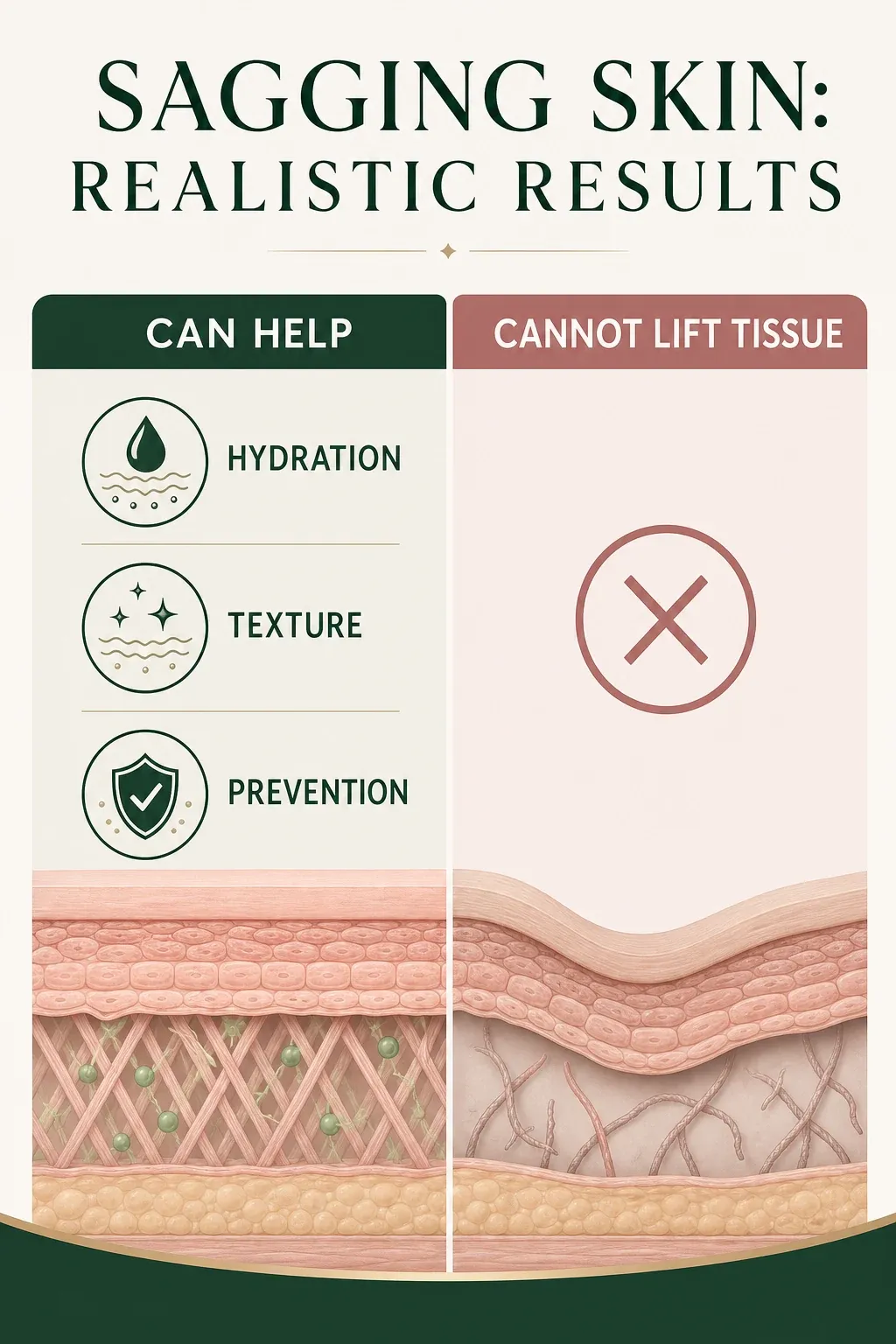
Skincare cannot lift or reposition sagging facial tissue. It can improve hydration, surface texture and the appearance of fine lines, while sunscreen helps prevent additional photoaging. A retinoid may produce a small firmness-related improvement over time, but meaningful lifting usually requires a dermatologist or qualified cosmetic clinician to discuss procedures.
Before adding a face-yoga routine, read our evidence check on facial exercises, including the limits of the widely cited 20-week pilot.
Quick Summary
- Moisturizer can temporarily plump dry skin but cannot create a facelift effect.
- Retinoids have a better evidence base than most firming creams, yet results remain modest.
- Daily broad-spectrum SPF 30+ protects against additional UV-related collagen damage.
- Choose professional treatment only after discussing risk, downtime, skin tone and expected change.
What Skincare Can Change and What It Cannot
The word firming is used for several different outcomes. A moisturizer can make dry skin look smoother for a few hours. A retinoid can gradually improve fine lines and some features of photoaging. Sunscreen helps limit further UV damage. None of these effects moves displaced fat pads, replaces lost facial volume or removes excess skin.
This distinction matters because a cream can be useful without doing what its label implies. If the goal is a more comfortable, smoother-looking surface, skincare can help. If the goal is a sharper jawline or lifted lower face, a topical product is unlikely to deliver a visible structural change.
| Goal | Can skincare help? | Realistic expectation |
|---|---|---|
| Dry, crepey-looking surface | Yes | Better hydration can create temporary plumping |
| Fine lines and rough texture | Sometimes | Retinoids and sunscreen may improve appearance over months |
| Prevent additional photoaging | Yes | Daily UV protection reduces avoidable exposure |
| Lift jowls or loose neck tissue | No | Cream cannot reach or reposition deeper structures |
| Restore lost facial volume | No | Requires a professional assessment of structural options |
Why Facial Skin Loses Firmness
Visible laxity develops through several overlapping changes. Collagen and elastin organization change with age and cumulative UV exposure. Facial fat compartments and bone structure also change. Gravity affects these structures over time, while smoking and repeated unprotected sun exposure can accelerate visible aging.
Menopause can change dryness, healing and perceived skin thickness for some people. Weight change may alter facial volume. Genetics influence when and where laxity becomes noticeable. That is why two people of the same age can have different concerns and why a single firming ingredient cannot address every mechanism.
Topical products work mainly in or near the skin. They do not replace deeper volume or mechanically shorten loose tissue. The aging-skin routine is useful when the main goals are comfort, prevention, texture and tone rather than lifting.
A Practical Routine for Better Skin Quality
Morning: prevent more avoidable damage
Use a gentle cleanser only when needed. Apply a moisturizer that suits the skin's current dryness, then use broad-spectrum SPF 30 or higher over the face, ears, neck and exposed chest. The anti-aging sunscreen guide helps compare textures that can be applied generously.
Vitamin C is optional. A stable, tolerable formula may support antioxidant protection and uneven tone, but it does not lift tissue. If the serum stings, pills under sunscreen or consumes the budget needed for adequate SPF, remove it. Protection is the priority step.
Evening: improve texture at a tolerable pace
Cleanse gently and apply one retinoid according to its directions. Beginners can start once weekly, then increase only after several comfortable weeks. Apply moisturizer before or after as needed. The goal is a repeatable schedule, not the highest possible frequency.
On non-retinoid nights, use moisturizer alone. Peptide or niacinamide products can fit if they improve comfort or visible texture, but avoid stacking them simply because each label uses the word firming. A single complete moisturizer may already contain several supportive ingredients.
How Firming Ingredients Compare
| Ingredient | Useful for | Evidence level | Limit |
|---|---|---|---|
| Retinoid | Fine lines and photoaged texture | Stronger topical evidence | Modest change; irritation possible |
| Moisturizer | Dryness and temporary plumping | Strong for hydration | Effect fades without continued use |
| Niacinamide | Barrier, tone and mild texture | Formula-specific studies | Does not lift tissue |
| Peptides | Optional supportive care | Variable by peptide and formula | Category claims are often too broad |
| Vitamin C | Antioxidant and tone support | Depends on formula stability | Not a tightening treatment |
| Topical collagen | Surface hydration | Moisturizing role | Does not replace lost dermal collagen |
Retinoids deserve the first treatment slot when fine lines and photoaging are important and the skin can tolerate them. They influence epidermal turnover and collagen-related pathways, but the visible result is gradual and limited. The retinol guide explains how to start without combining it with every other active.
Peptides should be judged as formula-specific ingredients. Different peptide sequences have different proposed functions, and a result from one finished product cannot be transferred to every peptide cream. The peptide serum comparison separates hydration-focused options from stronger marketing claims.
Topical collagen cannot simply travel through the skin and rebuild the dermal framework. It may still make a cream feel rich and help the surface hold water. That is a legitimate cosmetic benefit, but the product should be compared with other moisturizers rather than sold as structural replacement.
Face, Neck and Chest Need Slightly Different Handling
The neck and upper chest often receive less sunscreen than the face and may be more sensitive to retinoids. Extend moisturizer and sunscreen to these areas, but introduce treatment less frequently. Avoid applying a strong face retinoid across the entire neck on the first night.
Neck creams are not automatically different from facial moisturizers. A separate product can be useful when its texture improves adherence or when the face formula irritates the neck. It does not gain lifting ability because the label names a body area.
Sudden swelling, a new neck mass, one-sided change or a persistent skin lesion is not a cosmetic laxity question. Arrange medical assessment rather than repeatedly massaging or treating the area with active products.
Two Product Types That Fit a Realistic Plan
These examples solve different jobs. The retinol product targets photoaged texture; the moisturizer targets hydration and barrier comfort. Neither is presented as a topical facelift.
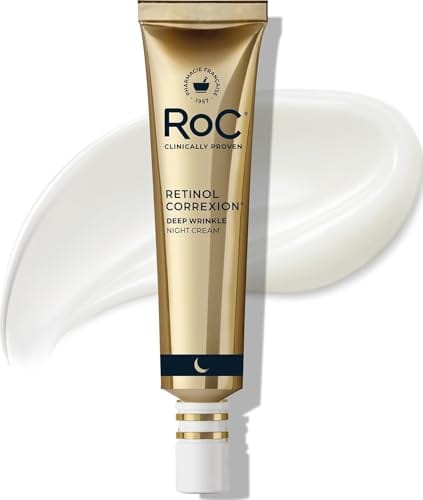
RoC Retinol Correxion Deep Wrinkle Night Cream
Someone prioritizing fine lines and photoaged texture who already tolerates a basic routine.
It gives the evening treatment slot a clear retinol job instead of relying on a vague lifting claim.
Watch-out: Retinol can irritate. Start slowly, check the current directions and avoid retinoids during pregnancy.
View on AmazonAs an Amazon Associate, SkinOptimizer may earn from qualifying purchases. Prices, sellers and availability can change.
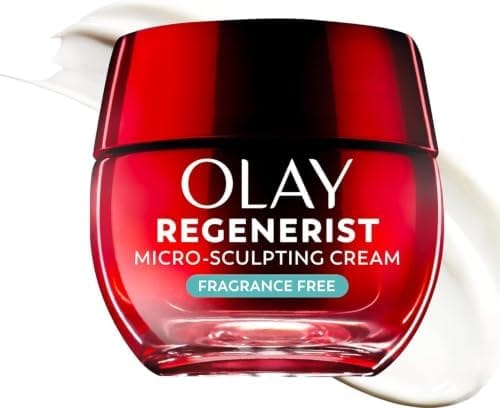
Olay Regenerist Micro-Sculpting Cream Fragrance-Free
Normal-to-dry skin seeking a richer moisturizer with niacinamide and peptides.
It fits the temporary plumping and barrier-comfort job without pretending to reposition tissue.
Watch-out: A richer texture may feel heavy on oily skin. Verify the fragrance-free variant, seller and current ingredients.
View on AmazonAs an Amazon Associate, SkinOptimizer may earn from qualifying purchases. Prices, sellers and availability can change.
When Procedures Enter the Conversation
Someone seeking a visible lift should discuss the concern with a board-certified dermatologist or appropriately qualified cosmetic clinician. Options may include ultrasound, radiofrequency, laser treatment, microneedling, injectables or surgery. These approaches do not produce equivalent results and should not be grouped as interchangeable tightening treatments.
Ask what tissue the procedure targets, how much change is realistic, how long results may last and what happens if the result is uneven. Ask about pain control, downtime, pigment-change risk, scarring and experience with your skin tone. A provider should be able to explain why a specific option fits better than a less intensive alternative.
Home devices should not be assumed to reproduce an in-office energy treatment. Device power, safety controls and evidence differ. The anti-aging skincare device guide explains how to evaluate claims, while the radiofrequency guide covers one category often marketed for firmness without equating it to structural lifting.
Lifestyle Factors: Useful Context Without Blame
Sun exposure and smoking can accelerate visible skin aging, but a useful article should not treat every line or change in facial contour as a personal failure. Genetics, hormones, bone structure, illness, medication and ordinary aging all contribute. The practical goal is to reduce avoidable exposure from today forward, not to assign blame for the past.
Use shade, clothing and sunscreen together during prolonged outdoor exposure. Stop smoking support can benefit overall health as well as skin, but it belongs in a broader medical conversation rather than a beauty promise. Sleep, movement and a varied diet support general health; none can selectively lift jowls or replace lost facial volume.
Large or rapid weight changes can alter facial fullness. That does not mean someone should pursue a particular weight for cosmetic firmness. Discuss unintended weight change with a healthcare professional. When a stable structural concern remains, compare the cost and risk of accepting it, using skincare for skin quality or seeking a qualified procedural consultation.
The wrinkle-prevention guide focuses on modifiable exposure without presenting normal aging as damage that must be corrected.
A Twelve-Week Evaluation Plan
Weeks 1-2
Stabilize cleanser, moisturizer and sunscreen. Photograph the jawline and cheek in neutral, repeatable light.
Weeks 3-8
Use one retinoid at a tolerable frequency. Track comfort and texture, not daily mirror changes.
Weeks 9-12
Compare hydration, fine lines and roughness. Do not score a cream on structural lifting it cannot deliver.
If the routine improves comfort and texture but the structural concern remains unchanged, that is not necessarily product failure. It may show that the desired outcome sits beyond topical skincare. Decide whether the remaining concern justifies a professional consultation, cost and procedural risk.
Questions to Bring to a Procedure Consultation
Ask the clinician to name the structure causing the concern and show which part of the proposed treatment addresses it. Request a realistic range of change rather than a best-case photograph. Find out whether results depend on a series, maintenance sessions or additional treatments that change the total cost.
Ask about common adverse effects, rare serious risks, expected swelling, pigment changes and the plan for an uneven result. Confirm who performs the procedure and who manages complications. Experience with your skin tone and the exact device or injectable matters more than a generic claim that the clinic treats all skin types.
A good consultation can also conclude that no procedure is justified. Skincare, observation and acceptance remain valid choices when the likely improvement is too subtle for the cost or risk. Take time to compare options instead of booking during the first sales conversation.
Common Sagging-Skin Marketing Traps
- Facelift in a jar: cream cannot penetrate deeply enough to reposition sagging tissue.
- Collagen replacement: topical collagen mainly provides surface-conditioning benefits.
- Instant lift photographs: lighting, expression and temporary film effects can exaggerate change.
- One hero peptide: a category claim does not prove the complete formula's result.
- More tingling means more firming: irritation can make texture and redness worse.
- A special neck price: area-specific branding is not proof of a unique mechanism.
What Current Guidance Supports
The American Academy of Dermatology's sagging-skin guidance states that creams cannot lift sagging skin and that results are subtle at best, while noting that retinoids may produce a small change. The AAD also describes sunscreen and moisturizer as foundational anti-aging purchases.
A review of topical treatments for photoaged skin notes that clinical support for many over-the-counter cosmeceuticals remains limited. The FDA sunscreen labeling guidance explains the early-skin-aging claim permitted for qualifying broad-spectrum products used as directed with other protective measures.
The Bottom Line
The best skincare for sagging skin improves what topical products can reach: hydration, surface texture, fine lines and prevention. It does not promise to lift jowls, replace lost volume or remove loose tissue. Use sunscreen daily, choose a tolerable retinoid when appropriate and buy moisturizer for comfort rather than a lifting fantasy. If the desired change is structural, a qualified professional should explain the realistic options and their risks.
Frequently Asked Questions
Can skincare actually tighten sagging skin?
Skincare can improve hydration, texture and mild photoaging, which may make skin look smoother. It cannot lift or reposition sagging tissue. Retinoids may produce a small firmness-related change over time.
What is the best ingredient for sagging skin?
A retinoid has a stronger topical evidence base than most firming ingredients for photoaged texture and fine lines. Sunscreen and moisturizer remain essential, but none of these products creates a surgical lift.
Do collagen creams help sagging skin?
Topical collagen can condition and hydrate the surface, creating temporary plumping. It does not replace lost collagen deep in the skin or lift loose tissue.
How long should I test a firming cream?
Give a tolerable routine about twelve weeks before comparing texture and fine lines in similar light. Immediate tightness is usually a film or hydration effect rather than structural change.
When should I consider a professional treatment?
Consider a consultation when the goal is a visible structural lift, deeper wrinkle treatment or volume restoration. Ask about realistic change, risks, downtime, cost and experience with your skin tone.