Shea Butter for Dry Skin: How to Use It Correctly for Real Results | SkinOptimizer
Evidence-based guide to shea butter for dry skin. Learn how to choose, apply, and get the most benefit from raw shea butter.
In this guide

Shea butter is one of the most effective natural moisturizers for dry skin. A review of moisturizer science confirms that occlusive ingredients like shea butter significantly reduce transepidermal water loss. But not all shea butter is created equal and using it correctly matters. Here is what you need to know about for dry skin, but not all shea butter is created equal and using it correctly matters. Here is what you need to know about shea butter for dry skin and how to get the most benefit from it.
- ✅ Deeply moisturizing - Shea butter contains fatty acids that penetrate the skin barrier and provide lasting hydration.
- ✅ Non-comedogenic (for most) - Unlike coconut oil, raw shea butter has a low comedogenic rating and rarely clogs pores.
- ✅ Rich in vitamins - Vitamins A, E, and F support skin repair and reduce inflammation.
- ✅ Use raw, unrefined - Refined shea butter loses most of its beneficial nutrients during processing.
Why Shea Butter Works for Dry Skin
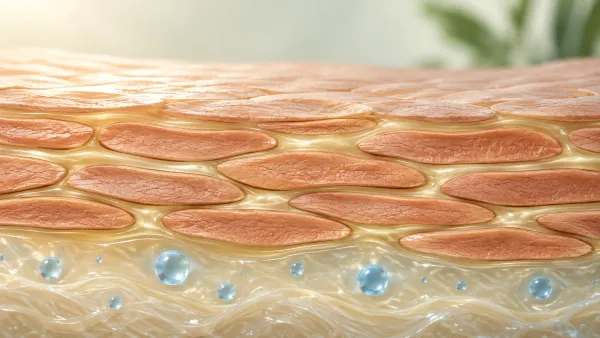
Shea butter is extracted from the nuts of the African shea tree. It contains a unique combination of fatty acids - including stearic, oleic, linoleic, and palmitic acids - that closely resemble the skin's natural sebum. This allows it to absorb deeply rather than just sitting on the surface. The DermNet classification of moisturizers categorizes shea butter as an occlusive agent. A 2022 review in Pharmaceutics confirmed that shea butter has significant anti-inflammatory properties and supports skin barrier function.

How to Choose the Right Shea Butter
Not all shea butter products deliver the same benefits. Raw, unrefined shea butter retains the highest concentration of vitamins and fatty acids. Refined shea butter has been processed at high temperatures, which destroys most of the beneficial compounds.
- Look for raw, unrefined - beige or yellowish color, nutty scent.
- Avoid refined - white, odorless, stripped of nutrients.
- Check for additives - pure shea butter has one ingredient.
How to Use Shea Butter Correctly
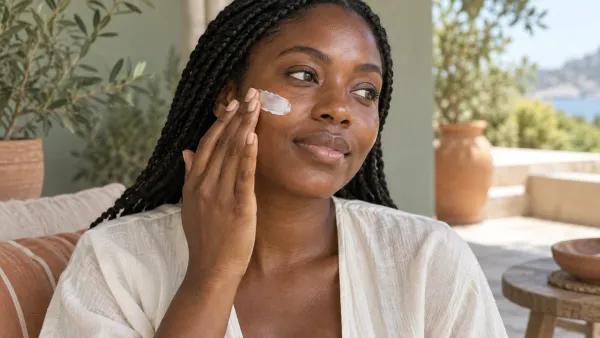
Shea butter is thick at room temperature. Warm a pea-sized amount between your palms until it melts, then press it into clean, damp skin. It works best as the final step in your routine to seal in moisture from lighter products applied underneath.
- Apply to damp skin - locks in more moisture.
- Use sparingly - a little goes a long way.
- Best as a night treatment - too heavy for daytime under makeup.
Who Should Use Shea Butter
Shea butter is ideal for dry, dehydrated, and mature skin types. It is generally safe for sensitive skin and has a low comedogenic rating (0-1 on a 0-5 scale), meaning it rarely clogs pores. However, those with very oily or acne-prone skin should patch test first, as individual reactions vary.
For more on choosing moisturizers, see our best moisturizers for oily skin guide and skin barrier restoration guide.
The Optimizer's Edge
The biggest mistake people make with shea butter is using it on dry skin. Shea butter is an occlusive - its primary function is to seal moisture in. If you apply it to dry skin, it will seal dryness in. Always apply shea butter over a damp face or after a water-based moisturizer. This two-step approach (hydration first, seal second) is the difference between shea butter feeling heavy and greasy versus feeling nourishing and effective.
Your Clear Skin Checklist
- Step 1: Choose raw, unrefined shea butter - beige color, nutty scent, single ingredient.
- Step 2: Warm a pea-sized amount between palms until melted. Apply to damp skin.
- Step 3: Use as the final step in your evening routine. Seal in hydration, not seal in dryness.
Frequently Asked Questions About Shea Butter for Dry Skin
Can shea butter clog pores?
Is refined or unrefined shea butter better?
Can I use shea butter on my face?
Does shea butter expire?
Can shea butter help with eczema?
This article is for informational purposes only and does not replace professional dermatological advice.