Natural Ingredients for Hydration: Glycerin, Aloe Vera and Centella | SkinOptimizer
Evidence-based guide to natural hydrating ingredients like glycerin, aloe vera, and Centella asiatica. Learn which ones actually work.
In this guide

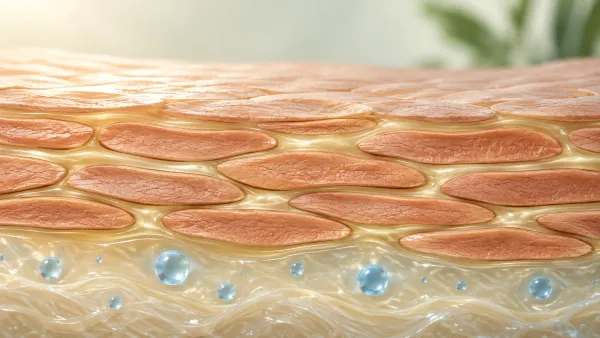
Natural hydrating ingredients have been used in skincare for centuries, but modern clinical research has confirmed which ones actually work and why. Here are the most effective natural ingredients for hydration backed by scientific evidence.
- ✅ Glycerin is the gold standard — Plant-derived glycerin outperforms most synthetic humectants in clinical hydration tests
- ✅ Aloe vera works short-term — Provides immediate hydration boost lasting 4-6 hours
- ✅ Centella asiatica supports barrier — Calms inflammation while improving skin hydration markers
- ✅ Layering natural ingredients matters — Combining humectants with occlusives produces better results than any single ingredient
The Skin Insider
The term "natural" in skincare does not automatically mean better or safer, but certain plant-derived ingredients have research histories that rival synthetic compounds. Glycerin — originally discovered as a byproduct of soap-making from plant oils — remains the most studied humectant in dermatology. A 2024 comparative study by RegimenLab found that glycerin maintained superior skin hydration even in low humidity environments where some synthetic humectants lost efficacy. The key is not whether an ingredient is natural or synthetic, but whether it has peer-reviewed data supporting its use for your specific skin concern.
Glycerin: The Plant-Derived Powerhouse
Glycerin is the most clinically studied natural humectant. Derived from plant oils, it attracts water from the environment and deeper skin layers into the stratum corneum. A 2017 randomized, assessor-blinded study published in the Journal of Clinical and Aesthetic Dermatology showed that a combination of glycerin 5% and hyaluronic acid 1% improved skin hydration for up to 24 hours after a single application. Glycerin works in all humidity levels, making it effective year-round. It is non-comedogenic and suitable for all skin types.
If a hydration serum fills a real routine gap, our hyaluronic acid serum comparison compares current options by texture, layering behavior and value.
Aloe Vera: Short-Term Hydration Booster
Aloe vera gel contains polysaccharides and glycoproteins that provide a temporary hydration boost. A study using Corneometer measurements confirmed that aloe vera extract at concentrations of 0.25-0.50% increased stratum corneum water content after a single application. However, the effect is shorter-lived compared to glycerin. Aloe vera is best used in gel formulations for daytime refreshment or as a soothing layer after sun exposure.
Centella Asiatica (Cica): Barrier Support + Hydration
Centella asiatica extract has emerged as one of the most researched botanical ingredients in modern dermatology. The 2017 study mentioned above included Centella asiatica meristem cell extract in its hydration fluid, noting that it may prolong hyaluronic acid's effect by inhibiting the hyaluronidase enzyme. Beyond hydration, Centella compounds like asiaticoside, madecassic acid, and asiatic acid have demonstrated anti-inflammatory and collagen-supporting properties, making this ingredient particularly valuable for sensitive or reactive skin types.
For more on barrier-supporting ingredients, see our skin barrier restoration guide and best moisturizers for oily skin.
How to Layer Natural Hydrating Ingredients
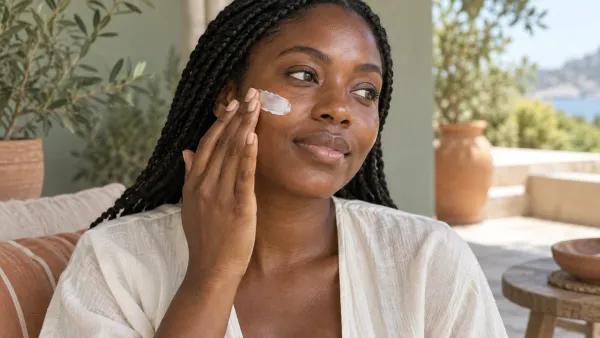
For maximum effectiveness, follow the humectant-occlusive layering principle: apply water-attracting humectants on damp skin, then seal with an occlusive. A routine using aloe vera gel followed by a glycerin-rich moisturizer and sealed with shea butter represents a full natural hydration protocol. The DermNet classification of moisturizers explains this occlusive-humectant interaction in detail.
The Optimizer's Edge
The most effective way to use natural hydrating ingredients is to understand their mechanism rather than relying on the "natural" label. Glycerin is a powerful humectant regardless of source. Aloe vera provides soothing hydration but should be paired with an occlusive for lasting results. Centella asiatica offers unique barrier-support benefits that go beyond simple hydration. The evidence-based approach is to choose ingredients based on demonstrated efficacy, not marketing — and natural ingredients with clinical data are excellent choices for most skin types.
Your Clear Skin Checklist
- Step 1: Apply aloe vera or glycerin-based hydrating product to damp skin after cleansing.
- Step 2: Follow with a moisturizer that contains glycerin or Centella asiatica.
- Step 3: Seal everything with a plant-based occlusive like shea butter if skin is very dry.
Frequently Asked Questions About Natural Hydrating Ingredients
Is glycerin better than hyaluronic acid for hydration?
Can natural ingredients replace my moisturizer?
Is aloe vera effective for all skin types?
What is Centella asiatica and how does it help skin?
How do I know if a natural ingredient is clinically proven?
This article is for informational purposes only and does not replace professional dermatological advice.