Alcohol and Your Skin: The Complete Guide to Repairing Alcohol-Related Skin Damage
Alcohol attacks skin through dehydration, inflammation, and collagen damage. The complete guide to repairing alcohol-related skin damage with science-backed strategies and product recommendations.
In this guide
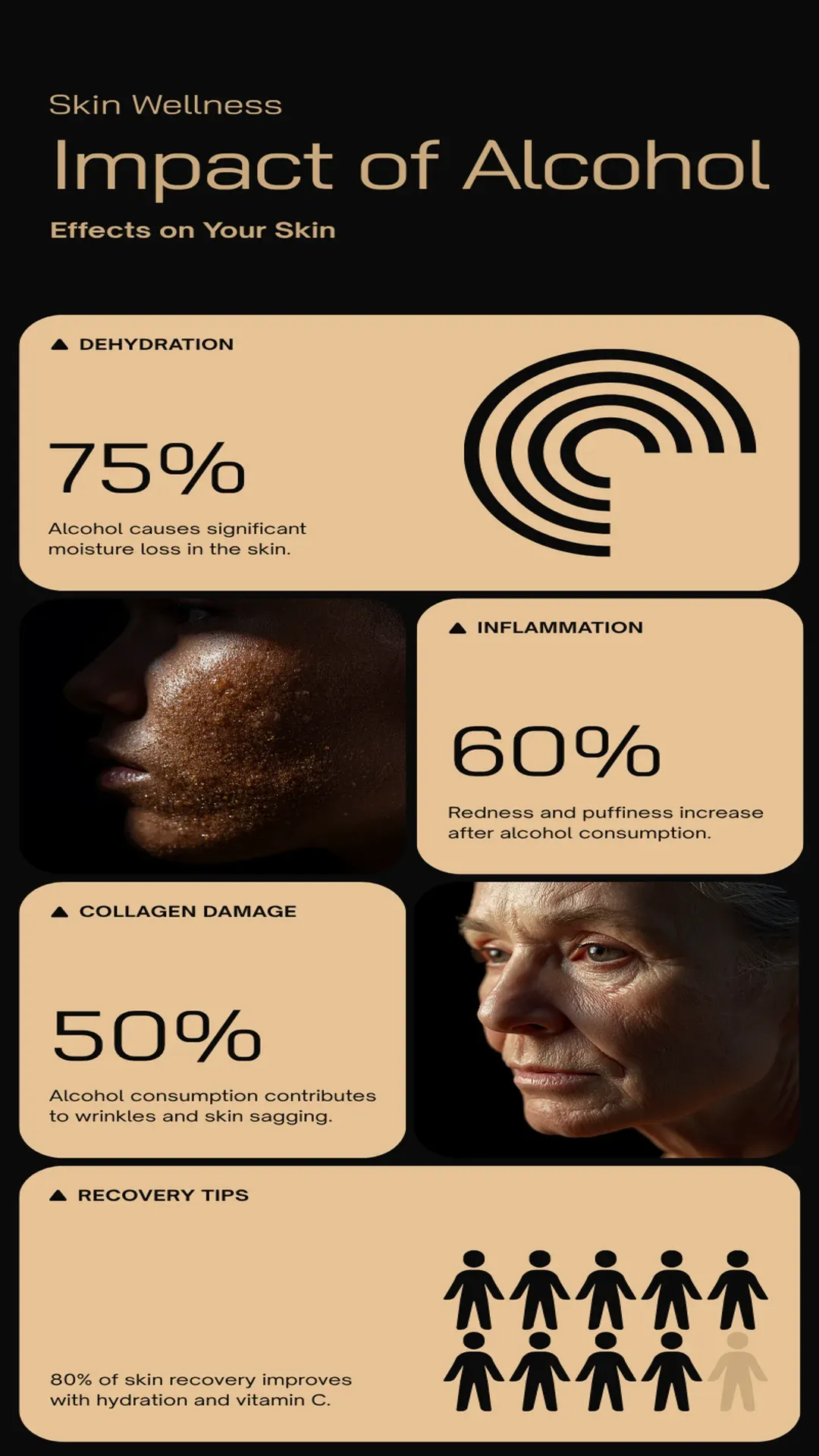
Alcohol is one of the few lifestyle factors that simultaneously attacks your skin through three independent mechanisms: dehydration, inflammation, and oxidative stress. Each drink triggers a cascade of physiological responses that directly compromise the structure, function, and appearance of your skin.
Ready to compare product picks?
Jump to product picksUnderstanding these mechanisms is the first step. Knowing how to counteract them is the difference between skin that looks tired after a night out and skin that recovers fully within hours. This guide breaks down exactly how alcohol affects your skin and what you can do about it.
If you suspect your skin barrier is already compromised, read our guide to the early signs of a damaged skin barrier before starting any new products.
⏹ TL;DR — Alcohol and Your Skin: What You Need to Know
- Alcohol attacks skin through three mechanisms: dehydration (diuretic effect), inflammation (vasodilation), and oxidative stress (collagen degradation). Each drink amplifies all three.
- Visible effects appear within hours: redness, puffiness, and dryness can appear the morning after. Chronic effects like wrinkles, loss of elasticity, and barrier damage accumulate over months and years.
- Not all alcohol is equal: Sugary cocktails and red wine tend to trigger more inflammation than clear spirits, but all alcohol is still a diuretic that dehydrates the skin.
- Recovery is possible: With consistent hydration, barrier-supporting skincare, and targeted ingredients, most alcohol-related skin damage is reversible within four to twelve weeks.
- Hydration before, during, and after drinking is the single most effective strategy for minimizing alcohol’s impact on your skin.
🧪 The Skin Insider
What most people do not realize is that alcohol does not just dehydrate your skin temporarily. It suppresses vasopressin, the anti-diuretic hormone, which means your kidneys continue to excrete water even after the alcohol has been metabolized. This is why you can wake up with dry, dull skin even if you drank water before bed. The dehydration cycle outlasts the alcohol itself by several hours, which is why morning-after hydration requires more than just a single glass of water.
How Alcohol Damages Your Skin: The Three Mechanisms
Alcohol affects your skin through three primary pathways. Understanding each one helps you choose the right countermeasures.
1. Dehydration
- How it works: Alcohol suppresses vasopressin, the hormone that tells your kidneys to reabsorb water. Without it, your kidneys flush water out instead of returning it to your bloodstream.
- The feedback loop: Dehydrated skin cannot maintain enzymatic functions. Cell turnover slows, the barrier weakens, and moisture loss accelerates further.
- Duration: A single night of moderate drinking measurably reduces skin hydration for up to 24 hours.
Visible signs: Dull, tight-feeling skin, increased visibility of fine lines, flakes or rough texture.
2. Inflammation
- How it works: Alcohol activates the immune system and releases pro-inflammatory cytokines. Blood vessels widen (vasodilation), bringing more blood to the skin surface.
- Rosacea connection: A 2025 review in PMC confirmed that alcohol is a significant trigger for rosacea flares. The inflammatory response extends beyond the surface into deeper skin structures (PMC, Alcohol Consumption and Skin Disorders).
Visible signs: Facial redness, puffiness around the eyes, worsening of rosacea or acne.
3. Oxidative Stress and Collagen Degradation
- How it works: Alcohol metabolism generates free radicals that damage collagen and elastin fibers. A 2024 study demonstrated that ethanol exposure directly diminishes collagen synthesis (PMC, Oxidative Stress in Skin Disorders).
- Structural damage: Alcohol inhibits lysyl oxidase, the enzyme that cross-links collagen fibers into stable networks. This means degradation continues even after the alcohol is gone.
- Cumulative effect: Regular drinking over years produces visibly older-looking skin, particularly around the eyes and mouth.
Visible signs: Fine lines, loss of skin firmness, sagging around the jawline and eyes.
| Mechanism | Biological Effect | Visible Skin Impact | Countermeasure |
|---|---|---|---|
| Dehydration | Suppresses vasopressin, causing water loss through kidneys | Dullness, tightness, fine lines, flaking | Hydrate before/during/after; use hyaluronic acid serums |
| Inflammation | Activates cytokines, dilates blood vessels | Redness, puffiness, rosacea flares, acne | Niacinamide, azelaic acid, anti-inflammatory skincare |
| Oxidative Stress | Generates free radicals, degrades collagen/elastin | Wrinkles, loss of firmness, premature aging | Vitamin C serums, antioxidants, retinoids |
The 7 Skin Changes Caused by Alcohol
- Persistent Redness and Rosacea Flares — Alcohol widens blood vessels, causing visible redness that can become permanent. For those with rosacea, even moderate drinking increases flare frequency. What helps: Niacinamide and azelaic acid strengthen capillary walls over time.
- Premature Wrinkles and Loss of Elasticity — Free radicals from alcohol metabolism break down collagen fibers while inhibiting the enzymes that rebuild them. The effect is cumulative: years of regular drinking produce visibly older-looking skin, especially around the eyes and mouth.
- Facial Puffiness and Under-Eye Swelling — Alcohol disrupts lymphatic drainage, causing fluid to pool under the eyes and along the jawline. The effect persists for 24 to 48 hours. Quick fix: Cold compresses and lymphatic massage help temporarily, but reducing intake is the only long-term solution.
- Dry, Dull, and Dehydrated Skin — Alcohol pulls water out of skin cells, leaving them shrunken and unable to reflect light evenly. Even occasional drinking measurably reduces stratum corneum hydration. What helps: Internal hydration plus topical humectants like hyaluronic acid and glycerin.
- Acne Breakouts and Congestion — Alcohol disrupts hormones and increases sebum production. The sugar in drinks triggers insulin spikes that worsen inflammation. The compromised barrier cannot regulate oil effectively. See our guide to how to prevent acne breakouts for more strategies.
- Dark Circles and Tired-Looking Eyes — Poor sleep from drinking disrupts the nightly repair cycle when most cellular regeneration occurs. Vasodilation around the eyes makes dark circles more prominent. Alcohol also suppresses growth hormone needed for overnight repair.
- Compromised Skin Barrier Function — Alcohol damages the lipid matrix of the stratum corneum, leading to increased water loss, sensitivity, and reduced tolerance to active ingredients. For a full protocol, read our guide to skin barrier repair for sensitive skin.
The Best Products for Alcohol-Damaged Skin
The right products can accelerate recovery by targeting each of alcohol’s three damaging mechanisms. Below are the most effective options organized by function.
Hydrating Serum
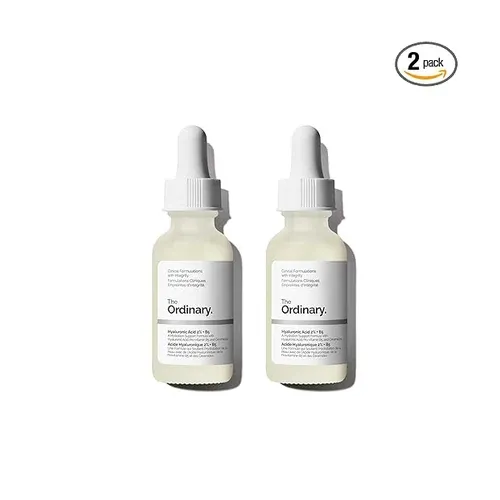
A hyaluronic acid serum replenishes the moisture that alcohol depletes. Apply to damp skin immediately after cleansing for maximum absorption. Look for serums with multiple molecular weights of hyaluronic acid for deeper penetration.
Product pick
The Ordinary Hyaluronic Acid 2% + B5
Why it fits: Multi-molecular-weight hyaluronic acid to replenish moisture at every layer of the skin.
Watch-out: Check the ingredient list and introduce it slowly if your skin is reactive.
Shop on Amazon →As an Amazon Associate, we earn from qualifying purchases.
✦ As an Amazon Associate, we earn from qualifying purchases.
💧
Barrier Repair Cream
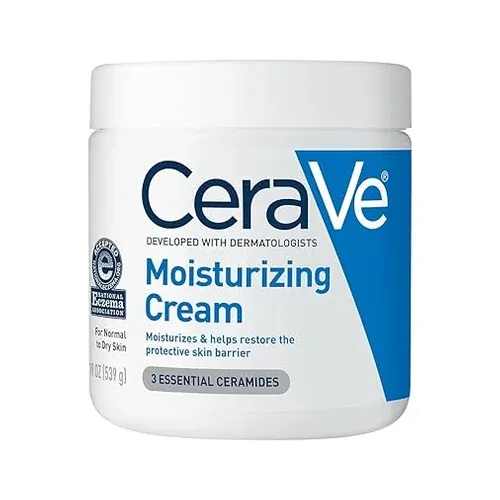
A ceramide-rich moisturizer rebuilds the lipid matrix that alcohol damages. Look for creams containing ceramides NP, AP, and EOP alongside cholesterol and fatty acids for complete barrier restoration.
Product pick
CeraVe Moisturizing Cream
Why it fits: Triple-ceramide complex with cholesterol and fatty acids to restore the lipid matrix after alcohol exposure.
Watch-out: Check the ingredient list and introduce it slowly if your skin is reactive.
Shop on Amazon →As an Amazon Associate, we earn from qualifying purchases.
✦ As an Amazon Associate, we earn from qualifying purchases.
🧠
Niacinamide Recovery Serum
Niacinamide (vitamin B3) is particularly effective for alcohol-damaged skin because it addresses multiple mechanisms simultaneously. It supports ceramide production to strengthen the barrier, reduces inflammation and redness, and helps regulate sebum production that alcohol can disrupt. A 5 percent niacinamide serum used twice daily can produce visible improvements in skin texture and tone within four weeks.
Vitamin C Antioxidant Serum
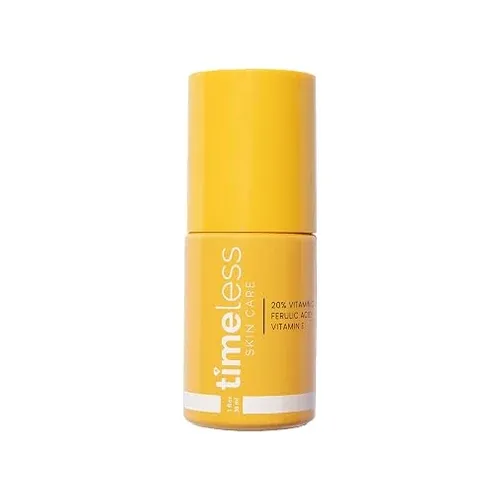
Vitamin C neutralizes the free radicals generated by alcohol metabolism and supports collagen synthesis. Apply in the morning under sunscreen for protection throughout the day.
Product pick
Timeless 20% Vitamin C + E Ferulic Serum
Why it fits: L-ascorbic acid serum to neutralize free radicals and support collagen production after alcohol exposure.
Watch-out: Check the ingredient list and introduce it slowly if your skin is reactive.
Shop on Amazon →As an Amazon Associate, we earn from qualifying purchases.
✦ As an Amazon Associate, we earn from qualifying purchases.
🌱
💡 The Optimizer's Edge
Most articles about alcohol and skin focus on one mechanism at a time. The critical insight is that alcohol is a triple threat: it dehydrates (diuretic), inflames (vasodilation), and oxidizes (free radical generation) simultaneously. Each effect amplifies the others. Dehydrated skin is more susceptible to inflammatory damage. Inflamed skin produces more free radicals. Oxidative stress weakens the barrier, which accelerates dehydration. Breaking any one of these three cycles helps break all three, which is why hydration is the most impactful single intervention.
How to Repair Your Skin After Alcohol Exposure
The Morning After Protocol
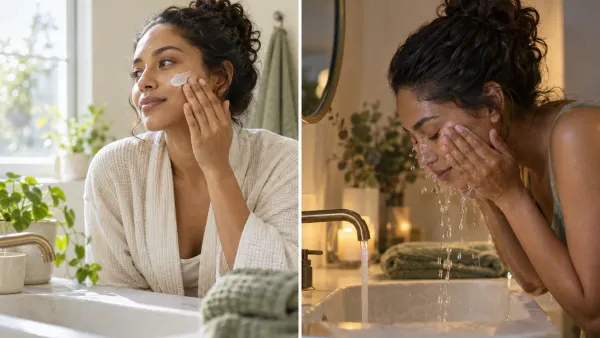
- Hydrate internally first. Drink a large glass of water with electrolytes before anything else. Topical products cannot rehydrate a systemically dehydrated body.
- Cleanse gently. Use a mild, non-stripping cleanser to remove impurities without further damaging the compromised barrier.
- Apply hydrating serum on damp skin. Hyaluronic acid or glycerin-based serums visibly plump the skin within minutes.
- Seal with a ceramide moisturizer. This locks in hydration and begins barrier repair.
- Finish with SPF 30+. Alcohol-damaged skin is significantly more vulnerable to UV damage.
Long-Term Recovery Strategy
Vitamin C serums in the morning and retinoids in the evening support collagen production over the long term. Consistent barrier support with ceramide moisturizers helps reverse the cumulative effects of regular alcohol consumption.
The combination of daily antioxidant protection and nightly cell turnover acceleration is the most clinically supported approach for reversing alcohol-related skin aging.
It typically takes four to six weeks of consistent skincare to see measurable improvement in barrier function after reducing alcohol intake. Full collagen remodeling takes approximately twelve weeks.
During this period, focus on three pillars:
- Hydration — internal water intake plus topical hyaluronic acid serums
- Barrier repair — ceramide creams with cholesterol and fatty acids
- Antioxidant protection — vitamin C in the morning, niacinamide, vitamin E
If you are working on repairing your skin barrier, our guide to best moisturizers for skin barrier repair offers product recommendations organized by skin type and budget.
For a broader look at how diet and lifestyle choices impact your skin, read our guide to foods to avoid for clear skin and the role of gut health in skin radiance.
What the Research Says About Alcohol and Skin
A 2024 study in the journal Antioxidants examined the relationship between alcohol consumption and skin aging. The researchers found that alcohol metabolism generates reactive carbonyl species that modify collagen fibers through glycation, reducing their structural integrity and accelerating visible aging.
The study concluded that reducing alcohol intake is one of the most effective lifestyle interventions for preventing premature skin aging. It ranks alongside sun protection and smoking cessation in importance.
Another 2024 review published in PMC investigated the link between alcohol consumption and skin cancer risk. The analysis found that each additional standard drink per day was associated with a 22 percent increased risk of squamous cell carcinoma. While the primary mechanism is believed to be alcohol’s suppression of the immune system’s ability to detect and repair damaged skin cells, oxidative stress from alcohol metabolism is also a contributing factor (PMC, Alcohol Consumption and Skin Disorders).
The American Academy of Dermatology identifies alcohol as a common trigger for rosacea and advises patients to track their flare-ups in relation to alcohol consumption to identify personal triggers. They also note that alcohol-based skincare products can exacerbate dryness and irritation, particularly in patients with compromised barriers.
Frequently Asked Questions About Alcohol and Your Skin
Can quitting alcohol improve my skin quickly?
Yes. Many people see improved hydration within days. Redness may lessen within one to two weeks. Collagen production begins to normalize within four weeks. The most significant visible improvements occur within the first 30 days of reduced or eliminated alcohol consumption.
What should I drink instead of alcohol for better skin?
Water with electrolytes is the best choice for skin hydration. Herbal teas, particularly green tea, provide antioxidants that support skin health. Sparkling water with lemon or cucumber offers a cocktail-like experience without the negative effects on skin.
Does all alcohol affect my skin the same way?
Not exactly. Sugary cocktails and mixers tend to worsen acne and inflammation due to their sugar content. Red wine is a stronger trigger for rosacea flares because of its histamine content. However, all alcohol is a diuretic and will dehydrate your skin regardless of the type.
How does alcohol cause dark circles under my eyes?
Alcohol disrupts sleep quality and causes vasodilation, both of which make dark circles more prominent. Poor sleep prevents the skin from completing its nightly repair cycle, while dilated blood vessels under the thin eye-area skin create a darker appearance.
Can my skin recover from years of heavy drinking?
Yes. The skin has a remarkable ability to regenerate. With consistent hydration, barrier-supporting skincare, a nutrient-rich diet, and reduced alcohol intake, most people see significant improvement in skin texture, tone, and hydration within 8 to 12 weeks.
This article is for informational purposes only and does not replace professional dermatological advice.