Best Azelaic Acid Products 2026: Evidence-Informed Picks
Discover the best azelaic acid products of 2026. Our evidence-informed rankings cover acne, dark spots, and redness — with expert picks for every skin type and budget.
In this guide
If you have struggled with persistent breakouts, stubborn hyperpigmentation, or rosacea flare-ups, you have likely encountered azelaic acid in your search for solutions. This multitasking ingredient has quietly become one of the most versatile and well-researched options in dermatology, yet it remains misunderstood by many skincare enthusiasts.
Product picks included
Jump to azelaic acid picks🧪 The Skin Insider
Azelaic acid was originally developed as an oral medication for acne in the 1980s. The topical formulations we use today have decades of clinical data supporting their efficacy, yet they remain less popular than retinol or salicylic acid-partly because they are harder to formulate with and partly because they lack the trendy appeal.
⚡ TL;DR
- Best for: Acne, rosacea, hyperpigmentation, and barrier-calming
- Concentration matters: 10% is the gold standard; 15% requires prescription
- Key mechanism: Unclogs pores, kills acne bacteria, and brightens dark spots
- Compatibility: Works well with most ingredients, including retinol and vitamin C
- Patience required: Visible results in 4-8 weeks of consistent use
What Makes Azelaic Acid Special?
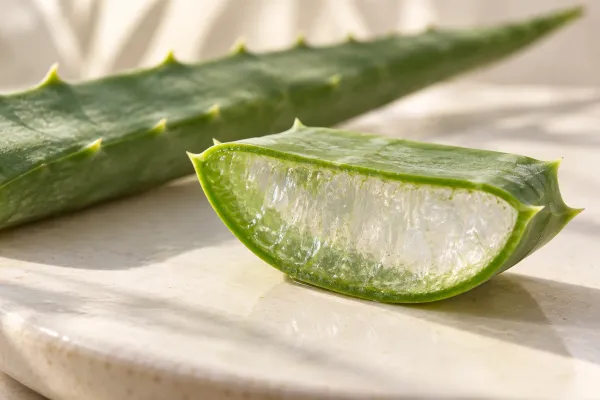
Azelaic acid is a dicarboxylic acid that occurs naturally in wheat, barley, and rye. In skincare, it functions as a gentle exfoliant, anti-inflammatory, and antimicrobial agent-all in one. Unlike harsh AHAs or BP, azelaic acid does not cause significant dryness or irritation in most skin types.
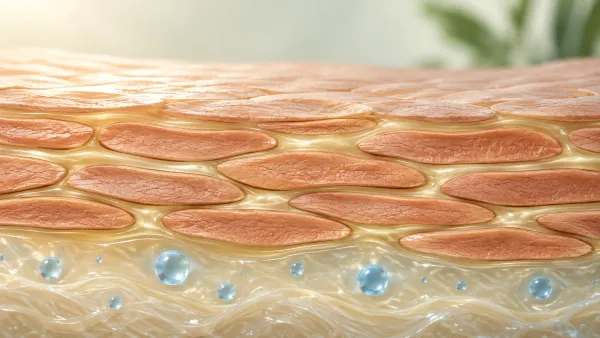
The ingredient works through multiple pathways simultaneously, which is why it can address acne, redness, and dark marks at the same time. It normalizes keratin production (preventing clogged pores), reduces the growth of Cutibacterium acnes bacteria, and inhibits tyrosinase to fade post-acne marks.
💡 The Optimizer's Edge
Most "best azelaic acid" lists focus on brand name alone. What truly matters is the formulation stability, pH level, and whether the product includes supporting ingredients like niacinamide or silica. A 10% azelaic acid gel that settles can deliver far better results than a 15% cream with poor absorption.
The Best Azelaic Acid Products, Ranked
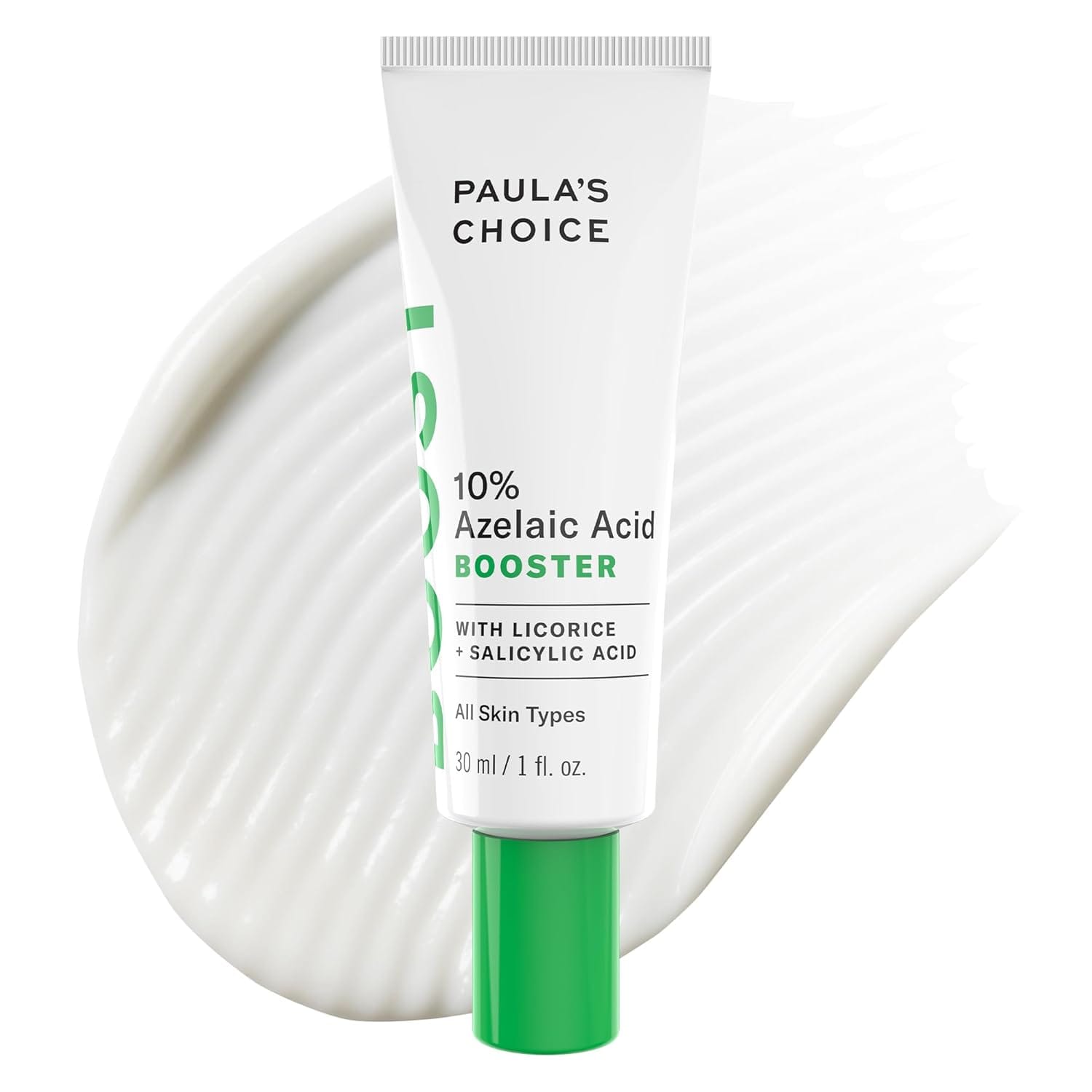
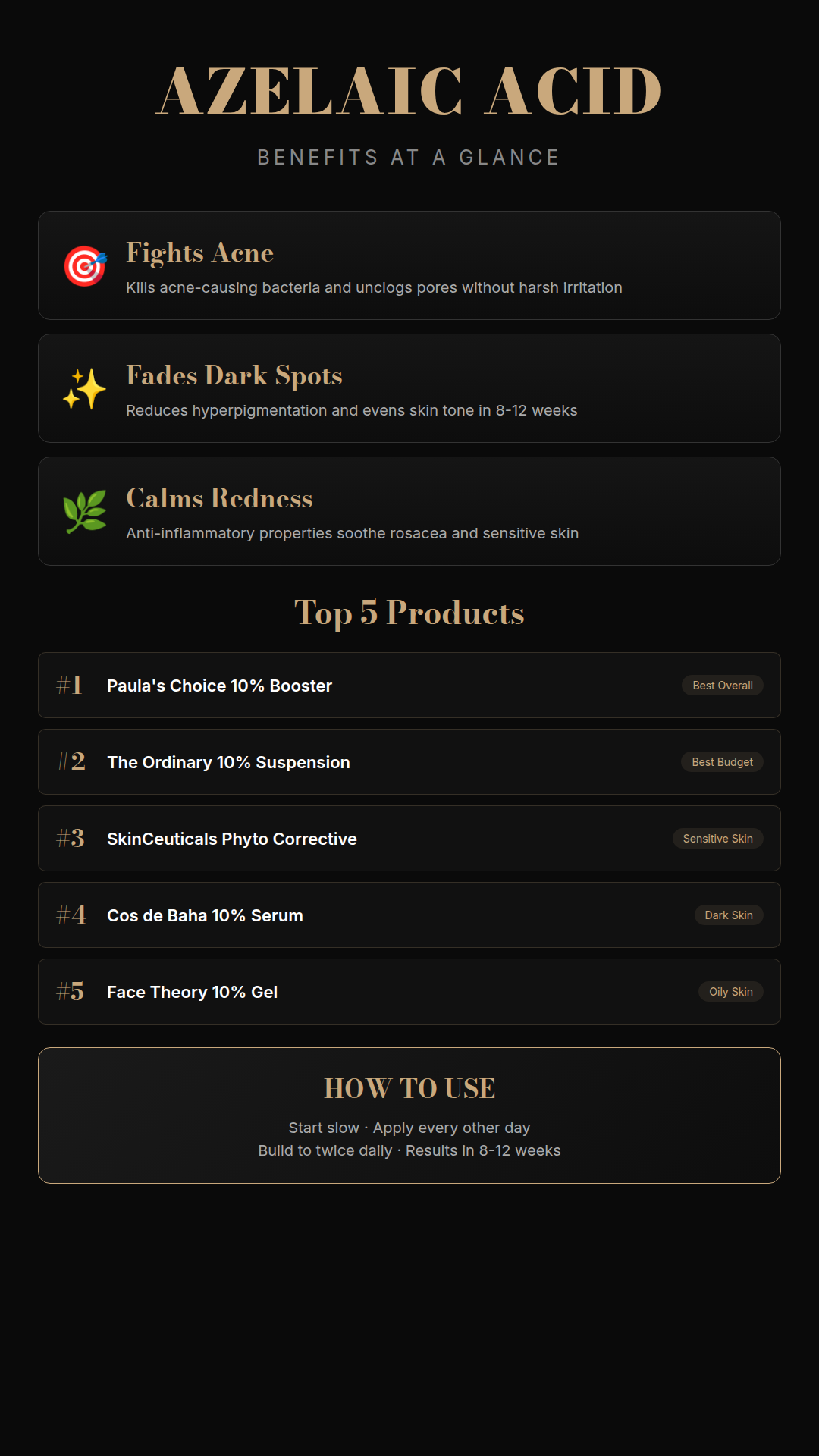
1. Paula's Choice 10% Azelaic Acid Booster - Best Overall
This product has earned its reputation as the gold standard for over-the-counter azelaic acid. The lightweight gel-cream texture absorbs instantly without leaving a white cast, making it suitable for all skin tones. The 10% azelaic acid concentration is backed by consistent clinical evidence for both acne and hyperpigmentation improvement.
What sets this apart is the formulation stability. Unlike some azelaic acid products that separate or become ineffective over time, this booster maintains its potency thanks to careful pH balancing. Added vitamin C and peptide support enhance the brightening and anti-aging benefits.
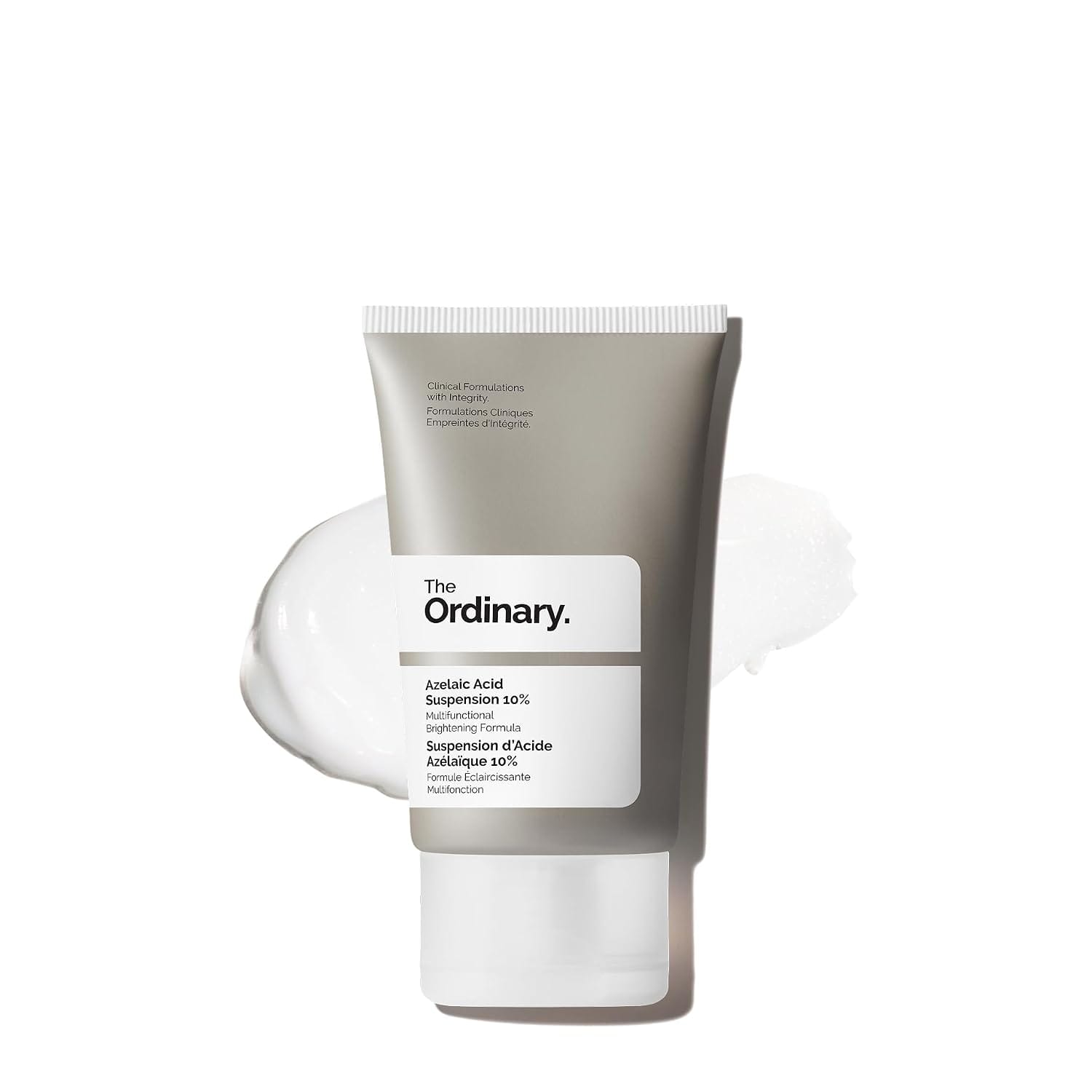
2. The Ordinary Azelaic Acid Suspension 10% - Best Budget
For those new to azelaic acid or looking to test the ingredient without a significant investment, this affordable option delivers real results. The lightweight cream texture may feel slightly silicone-heavy initially, but it absorbs within minutes.
Ideal for oily or acne-prone skin types, this formula works well under moisturizer or as a spot treatment. Note that the texture can pill if layered with certain products, so apply to clean, dry skin and wait before applying other layers.
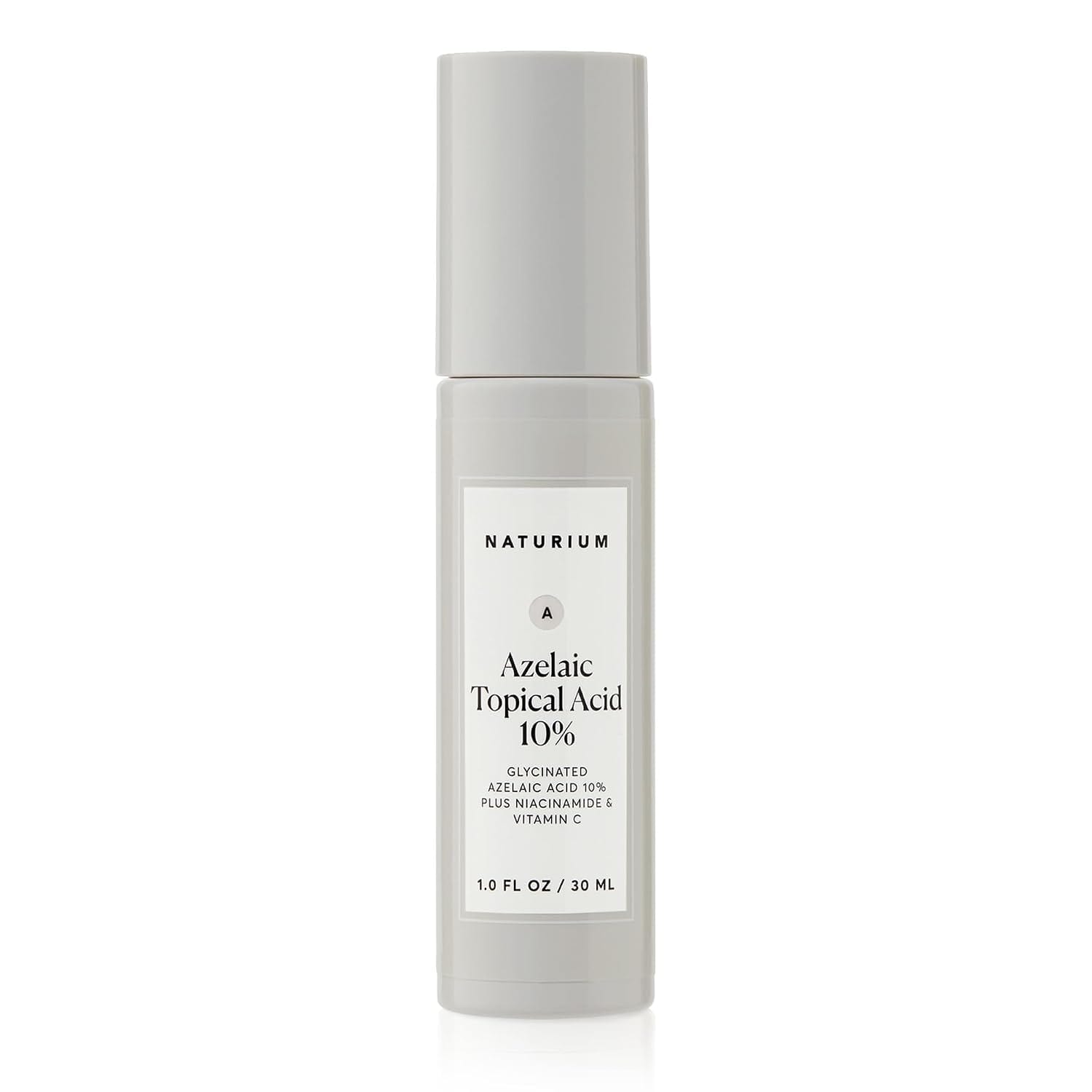
3. Naturium Azelaic Topical Acid 10% - Best for Sensitive Skin
This is a stronger fit for a true azelaic acid product roundup because the Amazon listing is built around an azelaic topical acid complex with niacinamide and vitamin C. It suits sensitive or oily routines that need brightening support without a heavy cream texture.
The formula is still a patch-test product, but it is a cleaner recommendation here than forcing a non-azelaic SkinCeuticals serum into an azelaic acid ranking.
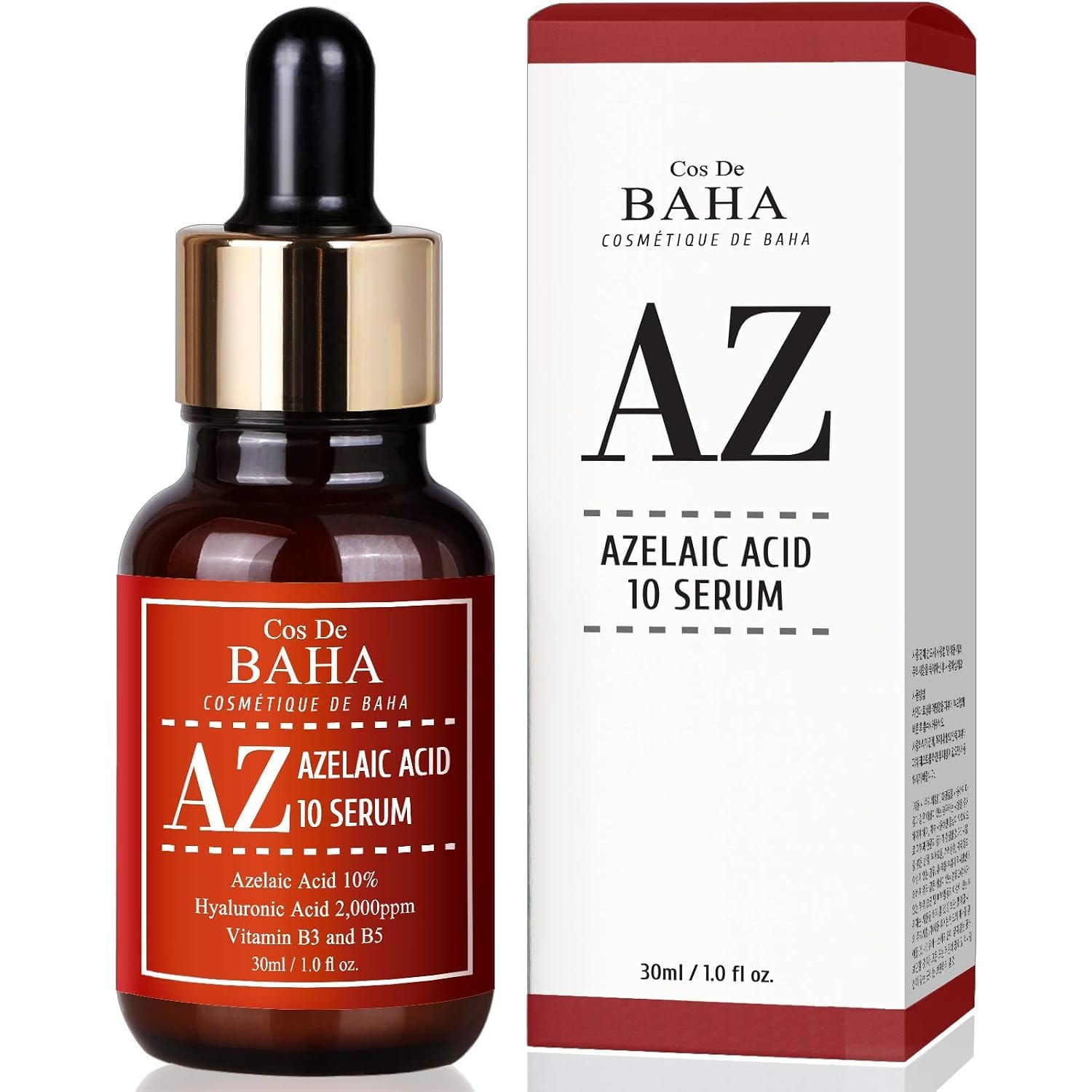
4. Cos de Baha Azelaic Acid 10% Serum - Best for Dark Skin
This Korean formulation offers 10% azelaic acid in a lightweight, fast-absorbing serum that leaves no residue-a critical factor for those with deeper skin tones who have struggled with white casts. The addition of licorice extract and niacinamide enhances its brightening capabilities.
The pump dispenser ensures precise dosing, and the affordable price point makes it accessible for daily use. It pairs exceptionally well with vitamin C serums in the morning routine.
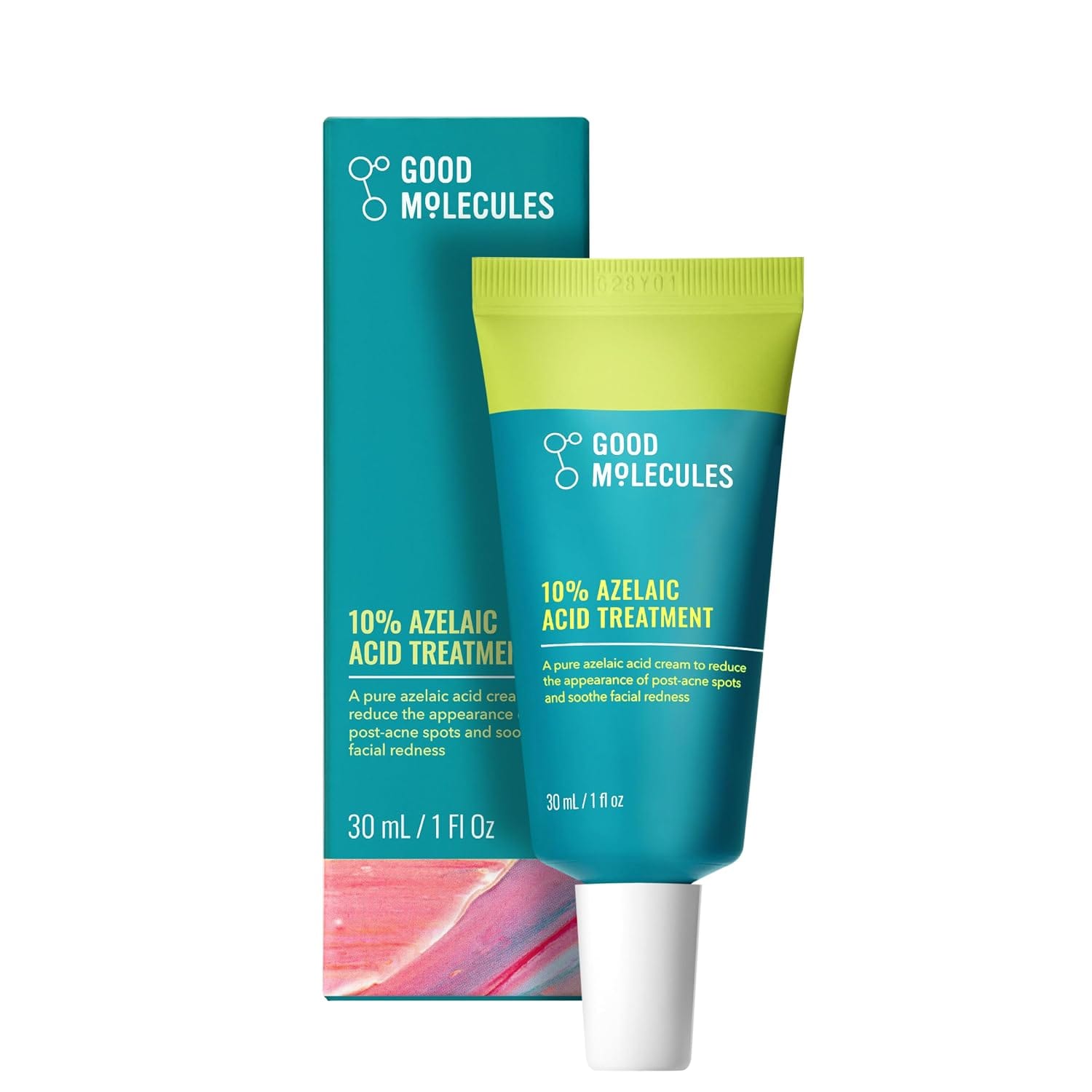
5. Good Molecules 10% Azelaic Acid Treatment - Best for Oily Skin
Good Molecules gives oily and combination skin a direct Amazon.com option built around 10% azelaic acid in a lightweight treatment texture. It is a better commercial fit than keeping a FaceTheory search URL without a reliable direct product page.
Use it when the goal is a simple redness, texture, and dark-spot support step that should not make an oily routine feel heavier.
✅ Your Clear Skin Checklist
- Step 1: Patch test any new azelaic acid product for 48 hours on your inner forearm
- Step 2: Start with once-daily application, preferably in the evening after cleansing
- Step 3: Increase to twice-daily after two weeks if no irritation occurs
How to Use Azelaic Acid Effectively
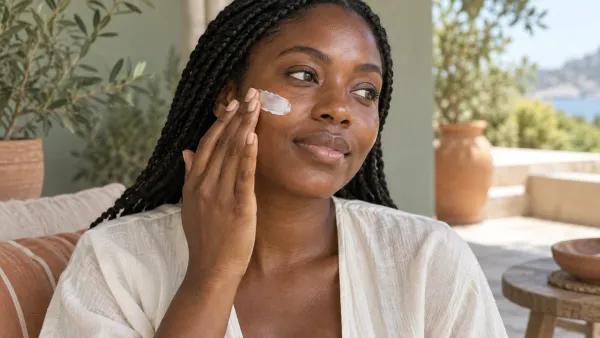
Consistency matters more than intensity with azelaic acid. Start with a thin layer applied to clean skin, and allow it to absorb for 1-2 minutes before applying moisturizer. The ingredient works best when given time to penetrate before other products are layered on top.
For those already using retinol products, alternate them. Use retinol at night and azelaic acid in the morning, or use azelaic on alternate nights until your skin builds tolerance.
Azelaic Acid vs. Other Actives
Understanding how azelaic acid compares to other common skincare ingredients helps you build an effective routine:
| Ingredient | Best For | Key Difference |
|---|---|---|
| Azelaic Acid | Acne, rosacea, dark marks | Gentle, anti-inflammatory |
| Salicylic Acid | Deep clogged pores | Oil-soluble, penetrates deeper |
| Retinol | Anti-aging, cell turnover | Stronger irritation potential |
| Niacinamide | Pore minimization, oil control | Very gentle, supportive role |
Combining Azelaic Acid With Other Products
One of azelaic acid's greatest strengths is its compatibility. Unlike retinol or AHAs that require careful separation, azelaic acid plays well with most ingredients. The key is application order and waiting between layers.
For morning routines, apply azelaic acid after cleanser and before moisturizer. Follow with broad-spectrum sunscreen as the final step. For evening, apply after cleansing and wait 5 minutes before applying heavier products like moisturizers or oils.
Potential Side Effects and How to Handle Them
Azelaic acid is generally well-tolerated, but some users experience a brief tingling or warming sensation upon initial application. This typically subsides within 1-2 weeks as your skin adjusts. To minimize this, start with a thin layer and gradually increase the amount.
Pregnant and breastfeeding individuals should consult their healthcare provider before using azelaic acid, as the prescription-strength 15-20% versions may not be appropriate during these periods. The over-the-counter 10% formulations are considered low-risk, but professional guidance is always recommended.
How Long Before You See Results?
Patience is essential with any active skincare ingredient. With azelaic acid, you can expect initial improvements in skin texture and reduced redness within 2-4 weeks. For stubborn hyperpigmentation or acne scars, the full benefits may take 8-12 weeks of consistent use.
Keep a photo journal to track your progress-this helps you stay motivated and provides objective evidence of improvement that can be easy to overlook when you see your skin daily.
Final Thoughts
Azelaic acid deserves a place in nearly every skincare routine. Whether you struggle with persistent breakouts, rosacea, or post-acne marks, this multi-tasking ingredient offers tangible benefits without the harsh side effects of many alternatives. Start with a 10% over-the-counter formula, be patient with the adjustment period, and track your results.
For those ready to elevate their routine further, combining azelaic acid with niacinamide or gentle exfoliants can accelerate results while maintaining skin barrier health.
Frequently Asked Questions About Azelaic Acid Products
Can I use azelaic acid every day?
Yes, most people can use 10% azelaic acid twice daily once they have built tolerance. Start with once daily for the first two weeks to assess how your skin responds.
Does azelaic acid help with hormonal acne?
Azelaic acid can reduce hormonal breakouts by unclogging pores and reducing inflammation, but it does not address the hormonal root cause. It works best as part of a comprehensive approach that may include lifestyle changes or prescription treatments.
Can I use azelaic acid with vitamin C?
Yes, these ingredients work well together. Apply vitamin C in the morning and azelaic acid either morning or evening. Both address different aspects of skin health and can be used in the same routine.
What percentage of azelaic acid is best?
For over-the-counter products, 10% is the optimal concentration-it delivers results without the irritation risk of higher percentages. Prescription azelaic acid (15-20%) is available for severe cases but requires medical supervision.
How long does azelaic acid take to fade dark spots?
Consistent use over 8-12 weeks typically shows significant improvement in hyperpigmentation. Results vary based on skin type, the depth of the marks, and how consistently the product is applied.
This article is for informational purposes only and does not replace professional dermatological advice.
How we research and correct content: Editorial Policy.