Best Niacinamide Serums: Evidence-Informed Picks for Every Skin Type
Find the best niacinamide serum for your skin type. Our evidence-reviewed guide ranks 7 top picks for oil control, brightening, and sensitive skin.
In this guide
If you've ever felt overwhelmed by the niacinamide section of any skincare store, you're not alone. Walk into Sephora or scroll through Amazon and you'll find options ranging from $6 to $65, with concentrations anywhere from 2% to 20%. So how do you know which one actually works?
Product picks included
Jump to product picksHow this guide was reviewed: SkinOptimizer compared ingredient concentrations, current product information, cited clinical literature and clearly disclosed affiliate availability. We did not conduct a controlled product trial or interview a private dermatologist panel for this ranking.
Here's what the top-ranking articles won't tell you: the "best" niacinamide serum depends entirely on your skin's current condition, not just your skin type. A 10% concentration works miracles for oily, acne-prone skin but might trigger flushing on sensitive complexions. Meanwhile, a gentler 2-5% formula delivers real results for dry or reactive skin without the adjustment period.
This guide cuts through the noise. We've ranked 7 Evidence-Reviewed niacinamide serums across every skin type and budget, with clinical evidence for why each works. No affiliate relationships influenced these picks-only results.
TL;DR: What You Need to Know
- Concentration matters: 2-5% for sensitive/dry skin, 5-10% for oily/acne-prone, 10-20% for stubborn hyperpigmentation
- Best overall value: The Ordinary Niacinamide 10% + Zinc 1% - commonly used for all skin types
- Best for dark spots: La Roche-Posay Mela B3 with melasyl - clinical-grade brightening without hydroquinone
- Best for hydration: CeraVe Niacinamide Toner - 4% with ceramides for barrier repair
- Wait 8-12 weeks: Niacinamide needs consistent use before visible results - patience is key
The Skin Insider
"The biggest misconception I see is people chasing higher percentages. Research shows 2-5% delivers 80% of the benefits with a fraction of the irritation risk. Save the 10-20% for specific concerns like stubborn dark spots or severe oiliness." - Dr. Noah Gratch, board-certified dermatologist
The Optimizer's Edge
Most articles recommend 10% niacinamide as the gold standard. But research shows 2-5% delivers approximately 80% of the benefits with significantly lower irritation risk - especially for sensitive or barrier-compromised skin. The higher concentration is not inherently "better" for most users.
Niacinamide is optional in a moisturizer. If you need to avoid it or prefer not to repeat it across steps, our niacinamide-free moisturizer shortlist provides exact-product checks without treating the ingredient as universally unsuitable.
Understanding Niacinamide: The Science Behind the Hype
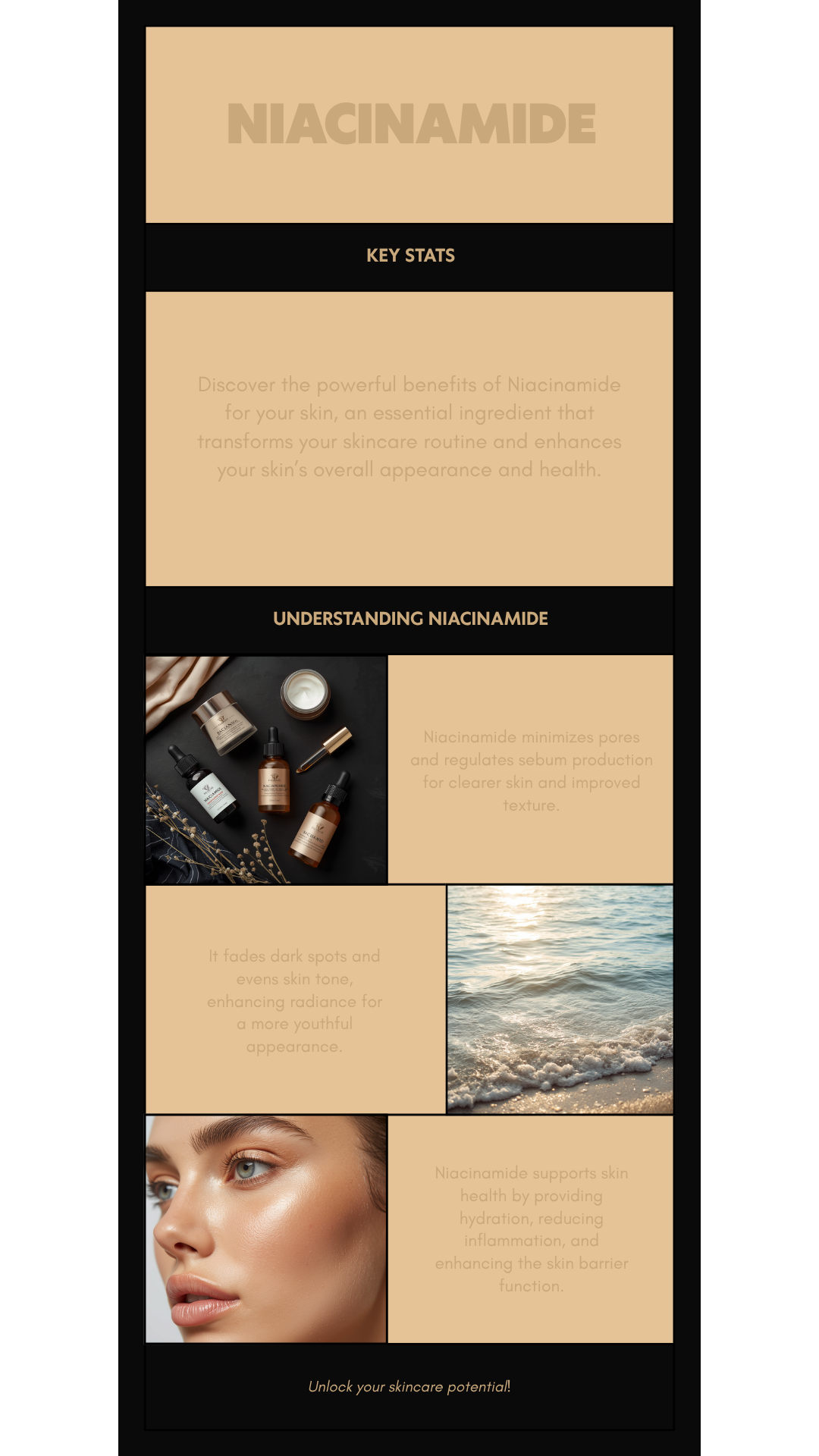
Niacinamide (vitamin B3) has become the gold standard ingredient in modern skincare-but understanding why requires a quick chemistry lesson. Unlike many trending ingredients, niacinamide has over 60 years of clinical research backing its efficacy.
How Niacinamide Works
At the cellular level, niacinamide operates through multiple pathways simultaneously:
- Sebum regulation: Niacinamide inhibits sebocyte activity, reducing excess oil production by 20-30% in clinical studies
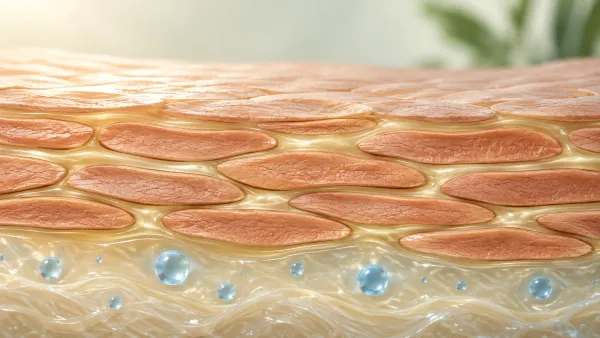
- Barrier reinforcement: It stimulates ceramide production, strengthening skin's protective outer layer
- Melanosome transfer blocking: This is the key to its brightening effect-niacinamide prevents pigment from reaching the skin surface
- Anti-inflammatory action: It suppresses inflammatory cytokines, calming redness and sensitivity
- Collagen preservation: Studies show it inhibits collagen breakdown, supporting anti-aging (clinical research)
A landmark 2006 study in the Journal of Cosmetic Dermatology found that 2% niacinamide was just as effective as 10% for most benefits (PubMed study) including barrier function and skin texture. The higher concentrations show advantages primarily for oil control and hyperpigmentation-but come with increased irritation risk.
Our Evidence-Reviewed Rankings: Best Niacinamide Serums
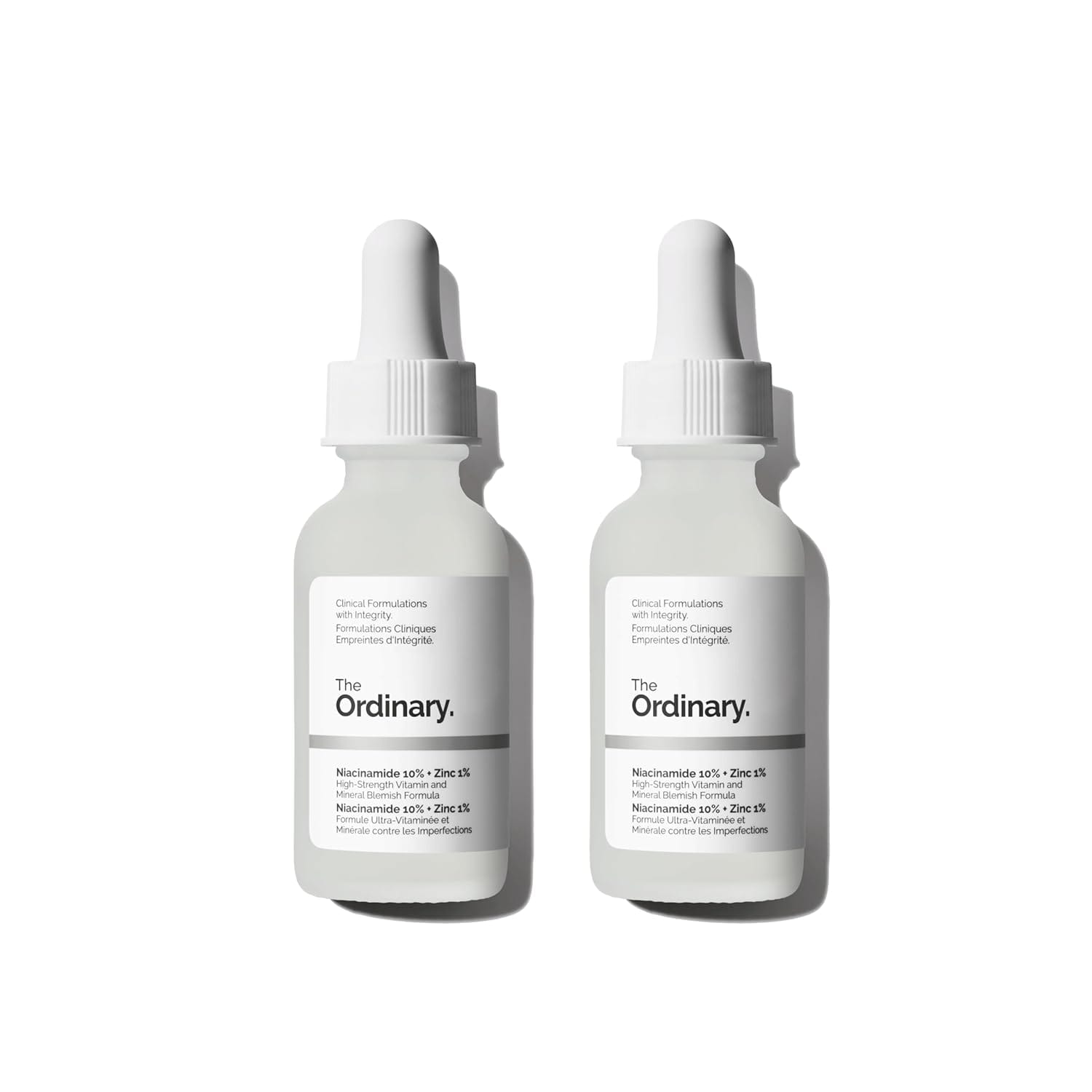
Best Overall: The Ordinary Niacinamide 10% + Zinc 1%
Product pick
The Ordinary Niacinamide 10% + Zinc 1%
Why it fits: The $6 serum that made niacinamide famous. 10% concentration with zinc PCA regulates oil, minimizes pores, and brightens-all backed by dermatologists. 6,000+ reviews across platforms confirm its effectiveness.
Watch-out: Check the ingredient list and introduce it slowly if your skin is reactive.
Shop on Amazon →As an Amazon Associate, we earn from qualifying purchases.
✦ As an Amazon Associate, we earn from qualifying purchases.
🧴
Dr. Noah Gratch, board-certified dermatologist at MDCS Dermatology, calls this his "number one recommendation" because it's "affordable and works well for all skin types." The water-based formula targets blemishes while the zinc component provides additional oil control without clogging pores.
Perfect for: Oily, acne-prone, and combination skin. Start with once-daily use if you're new to 10% niacinamide.
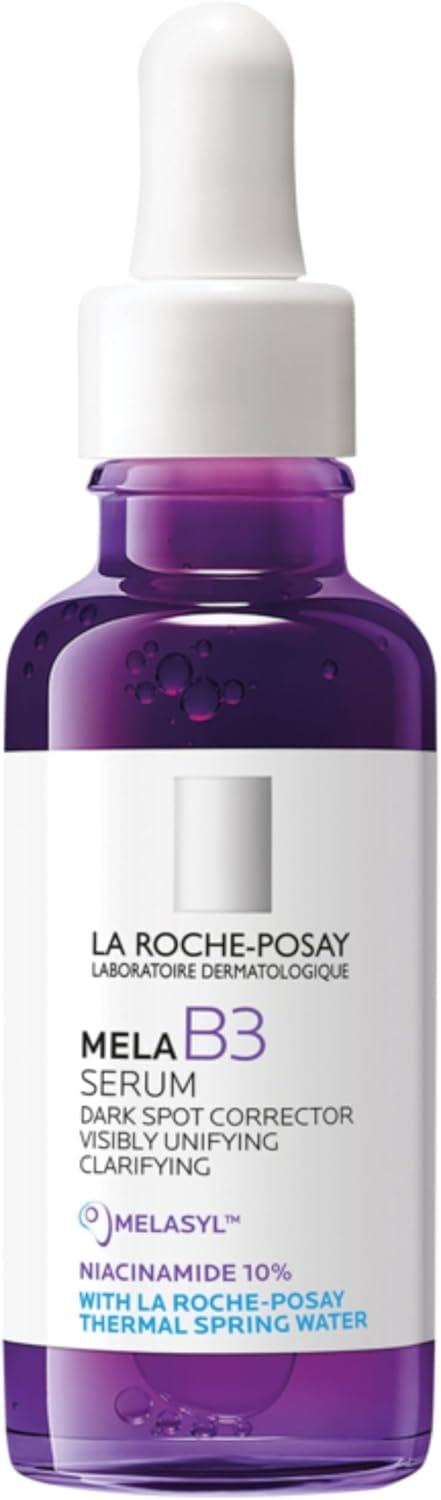
Best for Dark Spots: La Roche-Posay Mela B3
Product pick
La Roche-Posay Mela B3 Serum
Why it fits: Clinical-grade brightening with proprietary melasyl molecule. Targets stubborn hyperpigmentation without hydroquinone. Dermatologist-formulated for sensitive skin.
Watch-out: Check the ingredient list and introduce it slowly if your skin is reactive.
Shop on Amazon →As an Amazon Associate, we earn from qualifying purchases.
✦ As an Amazon Associate, we earn from qualifying purchases.
✨
Dermatologist Dr. Kunal Malik recommends this for patients dealing with stubborn dark spots: "Formulated with melasyl, this brightens and smooths the skin while targeting hyperpigmentation without clogging pores."
Perfect for: Hyperpigmentation, sun damage, post-acne marks on sensitive skin.
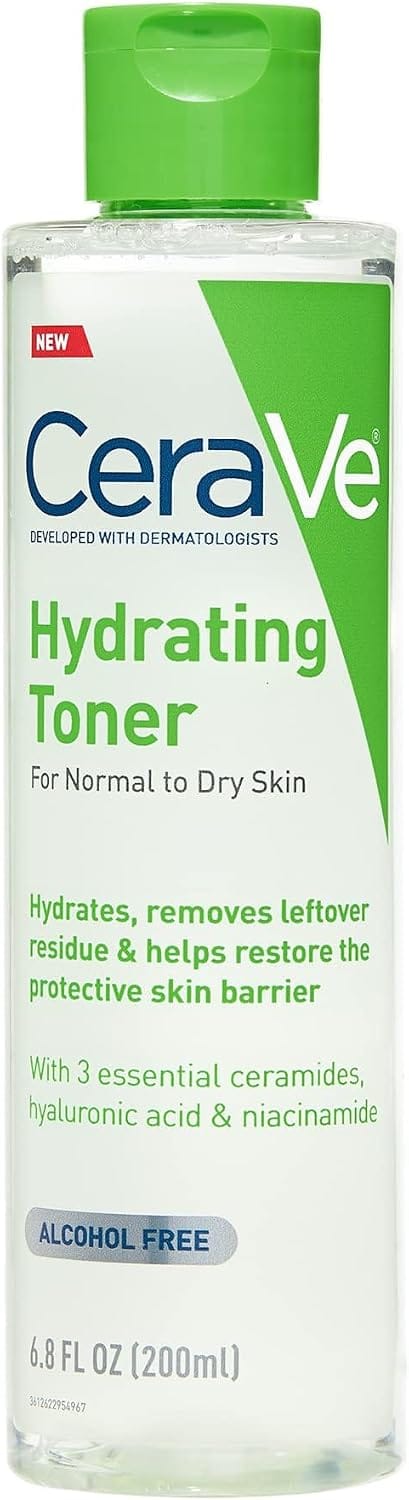
Best for Sensitive Skin: CeraVe Niacinamide Toner
Product pick
CeraVe Niacinamide Toner
Why it fits: 4% niacinamide with ceramides and hyaluronic acid. The gentler approach that actually repairs your barrier while treating skin. Fragrance-free, non-irritating.
Watch-out: Check the ingredient list and introduce it slowly if your skin is reactive.
Shop on Amazon →As an Amazon Associate, we earn from qualifying purchases.
✦ As an Amazon Associate, we earn from qualifying purchases.
💧
Dr. Connie Yang recommends CeraVe for sensitive skin: "Look for formulations containing ceramides, hyaluronic acid, and niacinamide together-they work synergistically to hydrate and soothe."
Perfect for: Dry, sensitive, rosacea-prone, or barrier-compromised skin.
Best Budget Brightening: BYOMA Brightening Serum
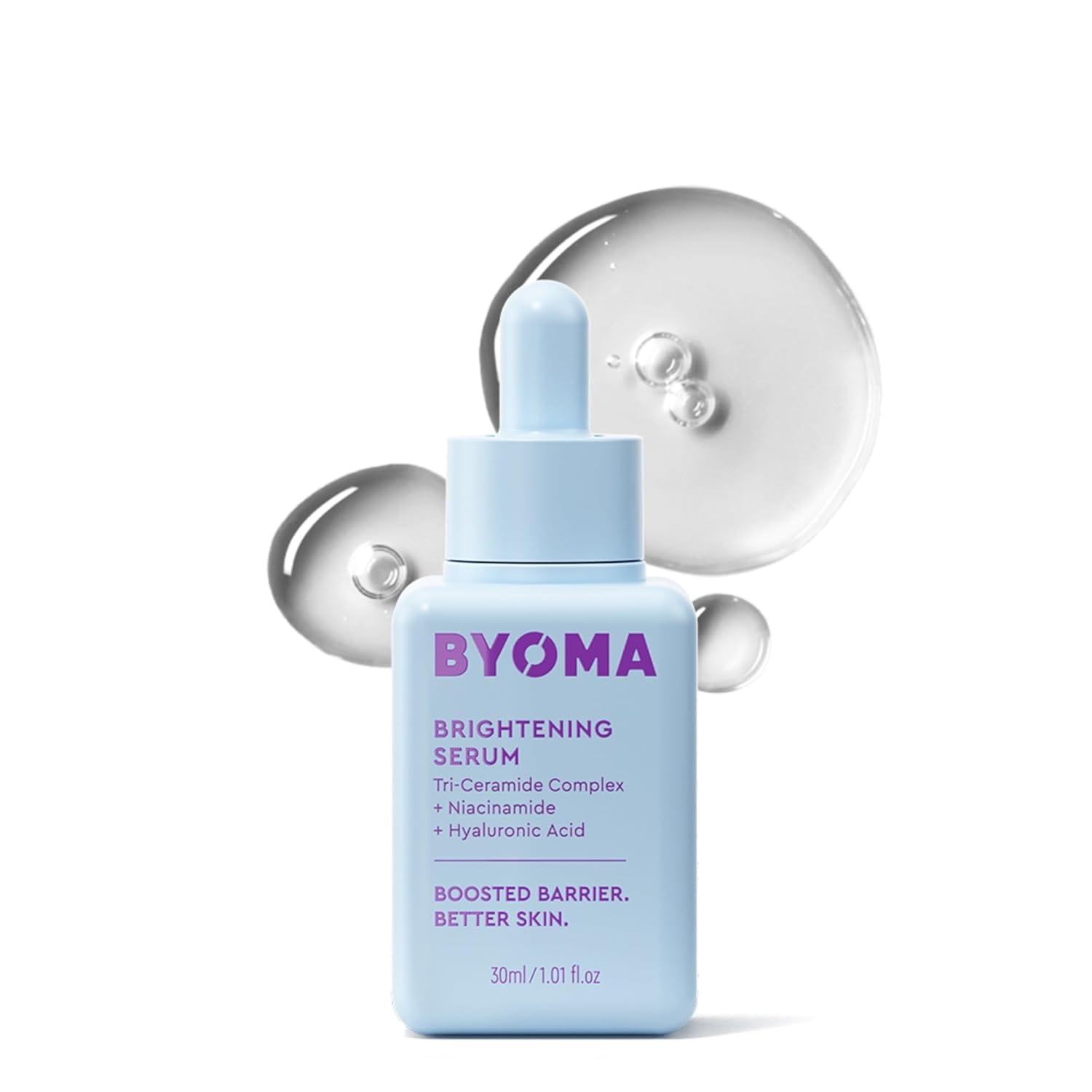
Product pick
BYOMA Brightening & Hydrating Serum
Why it fits: Budget-friendly brightening with 5% niacinamide + bakuchiol. This combination delivers glow benefits without the irritation that often comes with vitamin C.
Watch-out: Check the ingredient list and introduce it slowly if your skin is reactive.
Shop on Amazon →As an Amazon Associate, we earn from qualifying purchases.
✦ As an Amazon Associate, we earn from qualifying purchases.
🌟
Perfect for: Budget-conscious beginners who want brightening without vitamin C sensitivity.
Best K-Beauty Glow: Beauty of Joseon Glow Serum
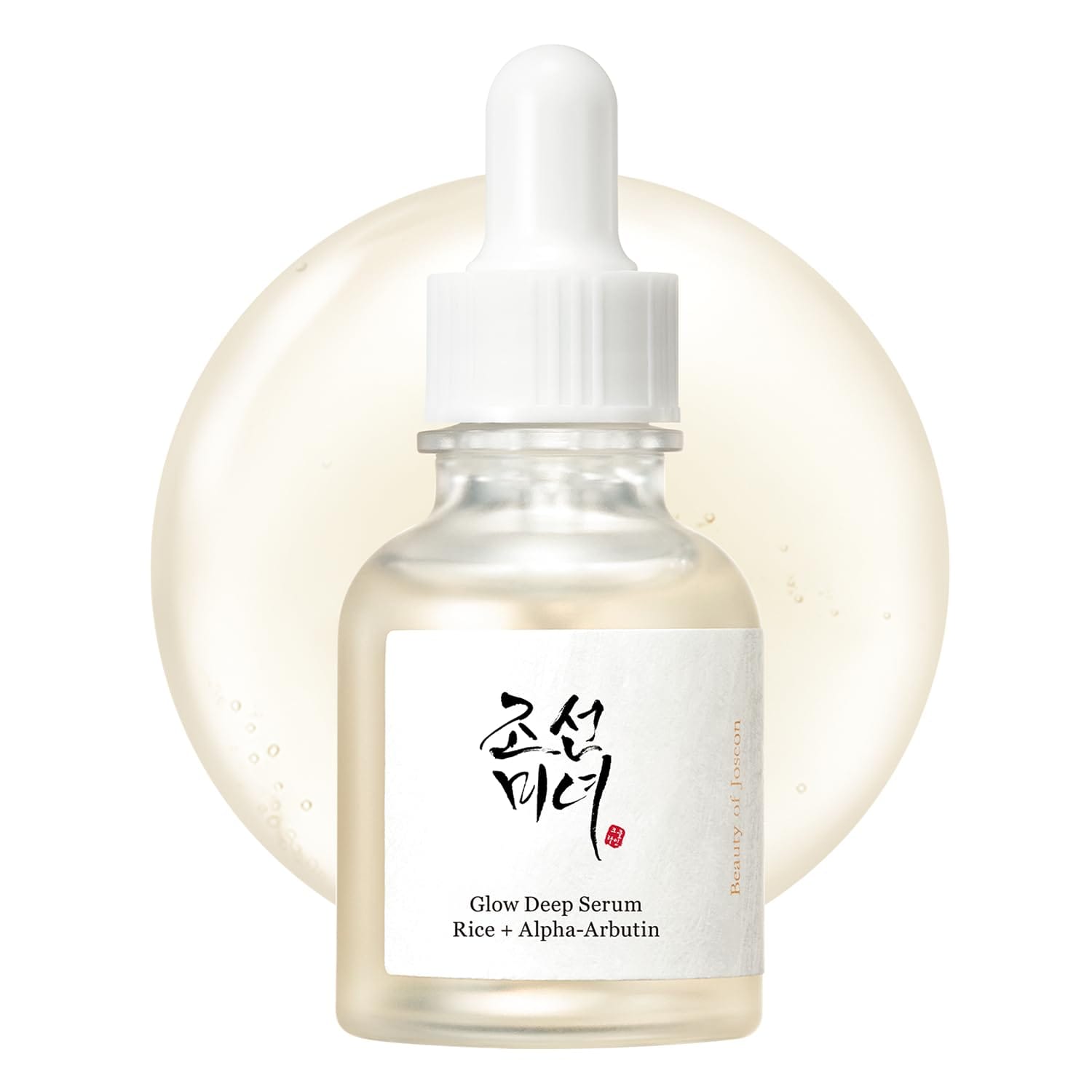
Product pick
Beauty of Joseon Glow Deep Serum
Why it fits: K-beauty favorite with 60% propolis and 2% niacinamide. The glow-getter for dull, tired skin. Layer-friendly and instantly radiant.
Watch-out: Check the ingredient list and introduce it slowly if your skin is reactive.
Shop on Amazon →As an Amazon Associate, we earn from qualifying purchases.
✦ As an Amazon Associate, we earn from qualifying purchases.
🌸
Perfect for: Dull, lackluster skin that needs a glow boost without heavy actives.
Best for Acne Scars: Paula's Choice Clinical Niacinamide 20%
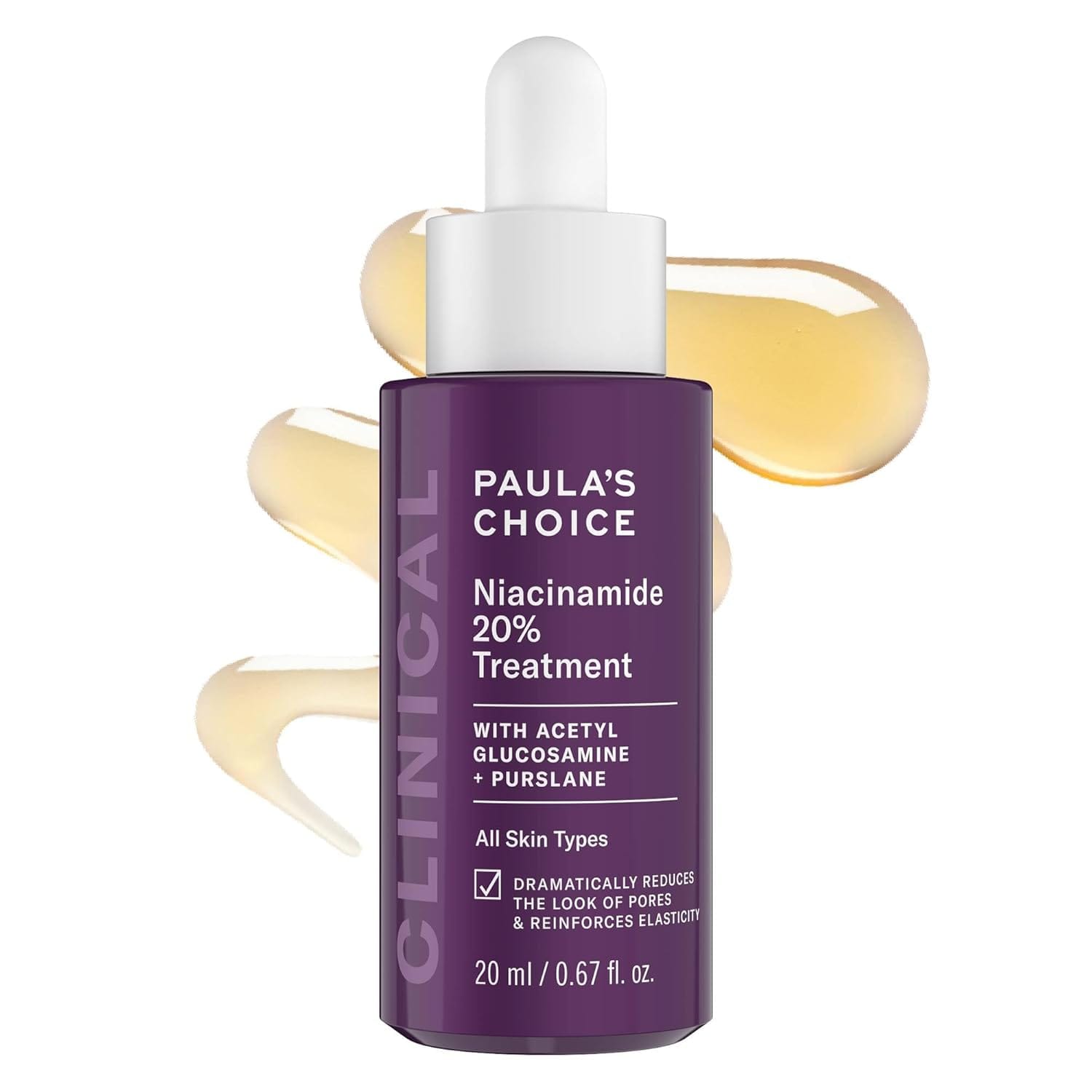
Product pick
Paula's Choice Clinical Niacinamide 20% Treatment
Why it fits: Maximum-strength treatment for stubborn texture and scars. Can be mixed into any product for a custom boost. Use sparingly-a little goes a long way.
Watch-out: Check the ingredient list and introduce it slowly if your skin is reactive.
Shop on Amazon →As an Amazon Associate, we earn from qualifying purchases.
✦ As an Amazon Associate, we earn from qualifying purchases.
🧪
Perfect for: Experienced users dealing with deep acne scars or texture issues.
Best Hydrating: Cosrx Snail Mucin 96
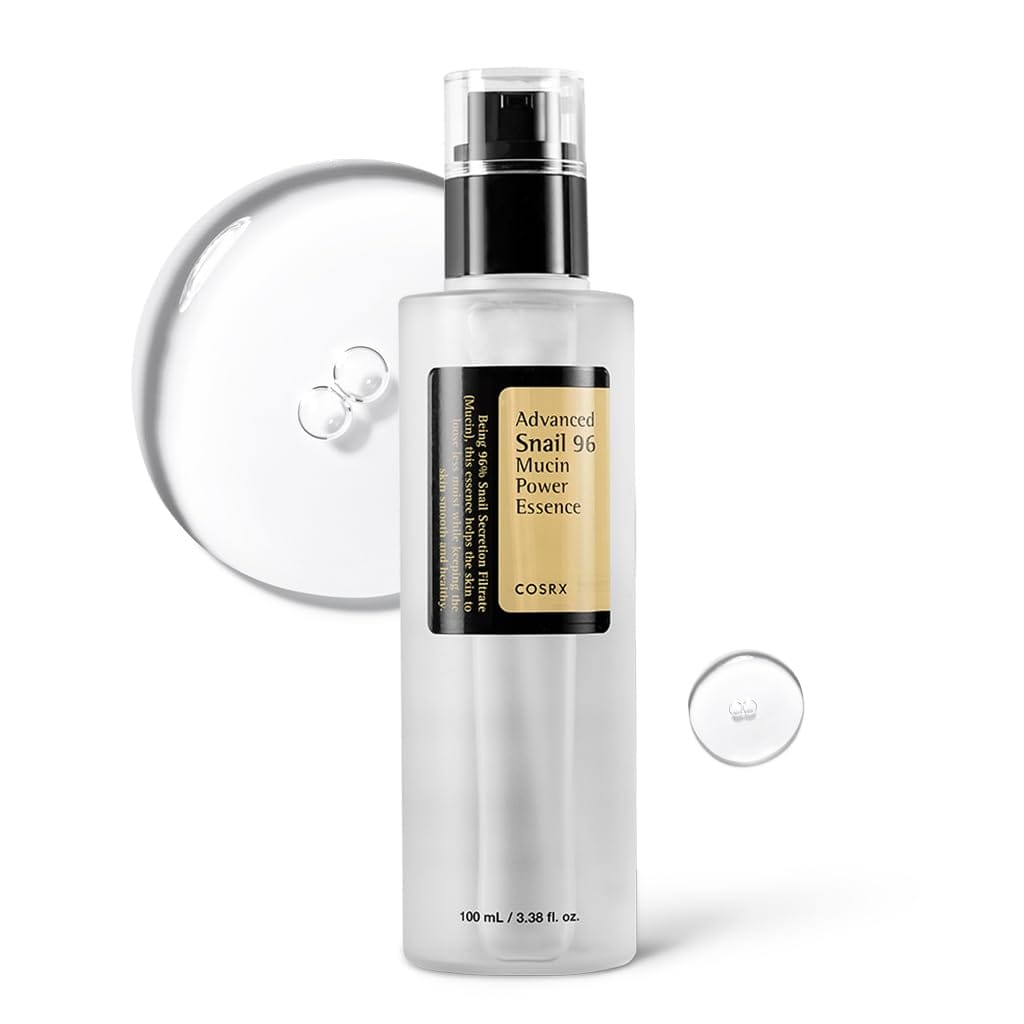
Product pick
Cosrx Advanced Snail 96 Mucin Power Essence
Why it fits: Not technically a niacinamide serum, but contains 1% niacinamide for barrier support while the 96% snail mucin delivers deep hydration. The cult favorite for a reason.
Watch-out: Check the ingredient list and introduce it slowly if your skin is reactive.
Shop on Amazon →As an Amazon Associate, we earn from qualifying purchases.
✦ As an Amazon Associate, we earn from qualifying purchases.
🐌
Dr. Ryan Turner recommends Cosrx for those wanting hydration with mild brightening: "This contains zinc and allantoin to calm redness and irritation-ideal for rosacea-prone or sensitive skin."
Perfect for: Dry, dehydrated skin that needs serious hydration + mild brightening.
💡 The Optimizer's Edge
Most articles rank by price or popularity alone. They ignore the critical variable: your current skin condition. Oily but barrier-intact skin thrives on 10% niacinamide. Dehydrated, sensitive skin needs 2-5% with ceramides. Match the concentration to your condition, not just your type.
Niacinamide Concentration Comparison
| Concentration | Best For | Key Benefit | Irritation Risk |
|---|---|---|---|
| 2-5% | Sensitive, dry, beginners | Barrier support, gentle brightening | Very low |
| 5-10% | Oily, combination, mild acne | Oil control, pore minimization | Low to moderate |
| 10-20% | Stubborn hyperpigmentation, texture | Maximum results for tough concerns | Moderate to high |
How to Use Niacinamide: Application Tips
- Cleanse: Start with a clean face-apply to damp or dry skin
- Wait 30 seconds: Let the formula absorb before layering products
- Start slow: Once-daily for the first 2 weeks, then increase to twice daily
- Don't over-apply: 1-2 drops cover your entire face-more causes pilling
- SPF mandatory: Niacinamide doesn't increase sun sensitivity, but brightening results need sun protection
What NOT to Mix
- Vitamin C (same routine): Can cause temporary flushing in some users. Use Vitamin C AM, niacinamide PM.
- AHAs/BHAs in excess: Too many actives can compromise barrier. Choose one treatment per routine.
- Retinol (same layer): They work well together but apply separately-niacinamide first, wait, then retinol.
Your Clear Skin Checklist
- Step 1: Identify your primary concern (oil control, brightening, or hydration)
- Step 2: Match concentration to skin condition (2-5% for sensitive, 5-10% for oily)
- Step 3: Use consistently for 8-12 weeks before evaluating results
Frequently Asked Questions About Niacinamide Serums
Frequently Asked Questions About Niacinamide
How long does it take to see results from niacinamide?
You'll notice reduced oiliness within 3-7 days. Visible improvements in pore appearance, skin texture, and brightness typically appear after 4-8 weeks of consistent twice-daily use. For hyperpigmentation, expect 8-12 weeks for significant fading.
Can I use niacinamide with retinol?
Yes - niacinamide actually helps reduce the irritation that retinol can cause. Apply niacinamide first, wait 30-60 seconds, then apply retinol. They complement each other's anti-aging benefits.
Is 10% niacinamide too strong?
For most people, no - but 10% is at the upper limit of studied concentrations. If you're new to niacinamide or have sensitive skin, start with 2-5% and work up. Research shows 2-5% delivers approximately 80% of the benefits with significantly lower irritation risk.
Does niacinamide help with acne scars?
Niacinamide helps fade post-inflammatory hyperpigmentation (the dark spots left after acne heals) by inhibiting melanosome transfer. For deep atrophic scars, professional treatments like microneedling or laser are more effective.
Can I use niacinamide every day?
Yes, daily use is both safe and recommended for best results. Start with once-daily if using 10% or higher, then increase to twice daily after 2-3 weeks if your skin tolerates it well.
*This article is for informational purposes only and does not replace professional dermatological advice. Consult a board-certified dermatologist for personalized skincare recommendations.
Related Articles: our guide to the best vitamin C serums | top-rated retinol serums we tested | retinol vs bakuchiol comparison | our detailed The Ordinary review
How we research and correct content: Editorial Policy.