10-Step Skincare Routine: What to Keep, Skip, and Use in Order
A practical 10-step skincare routine that separates daily essentials from optional Korean beauty steps, with AM and PM order, skin-type edits, and stop rules.

In this guide
What is the correct 10-step skincare order?
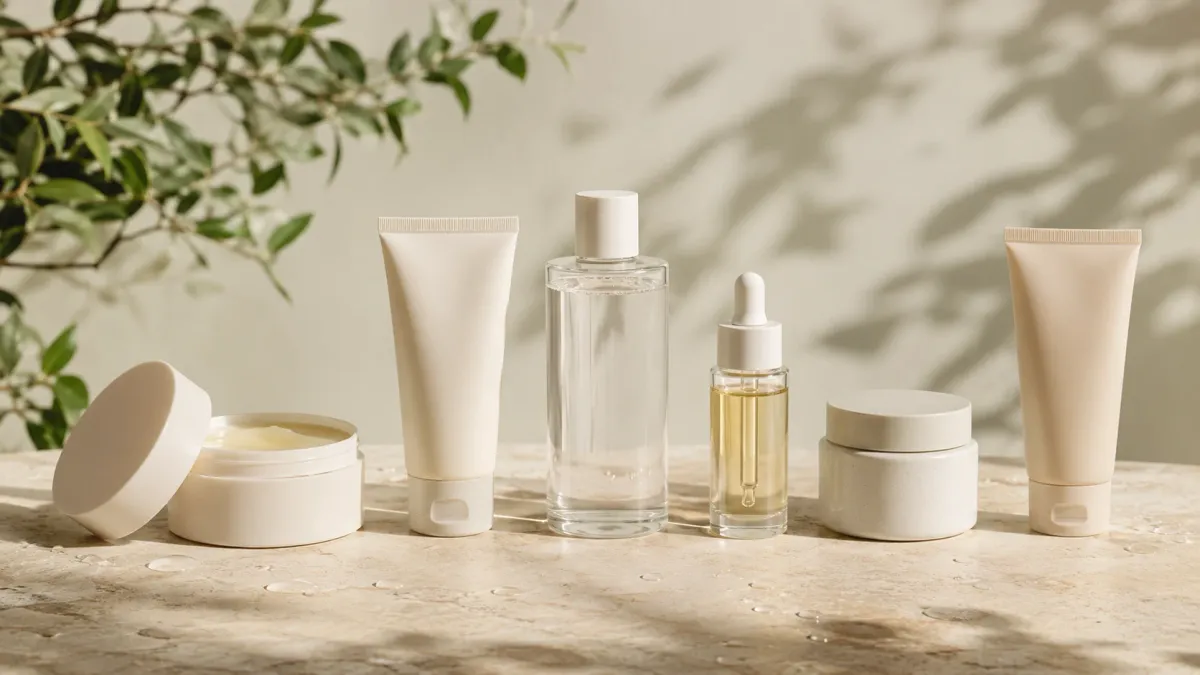
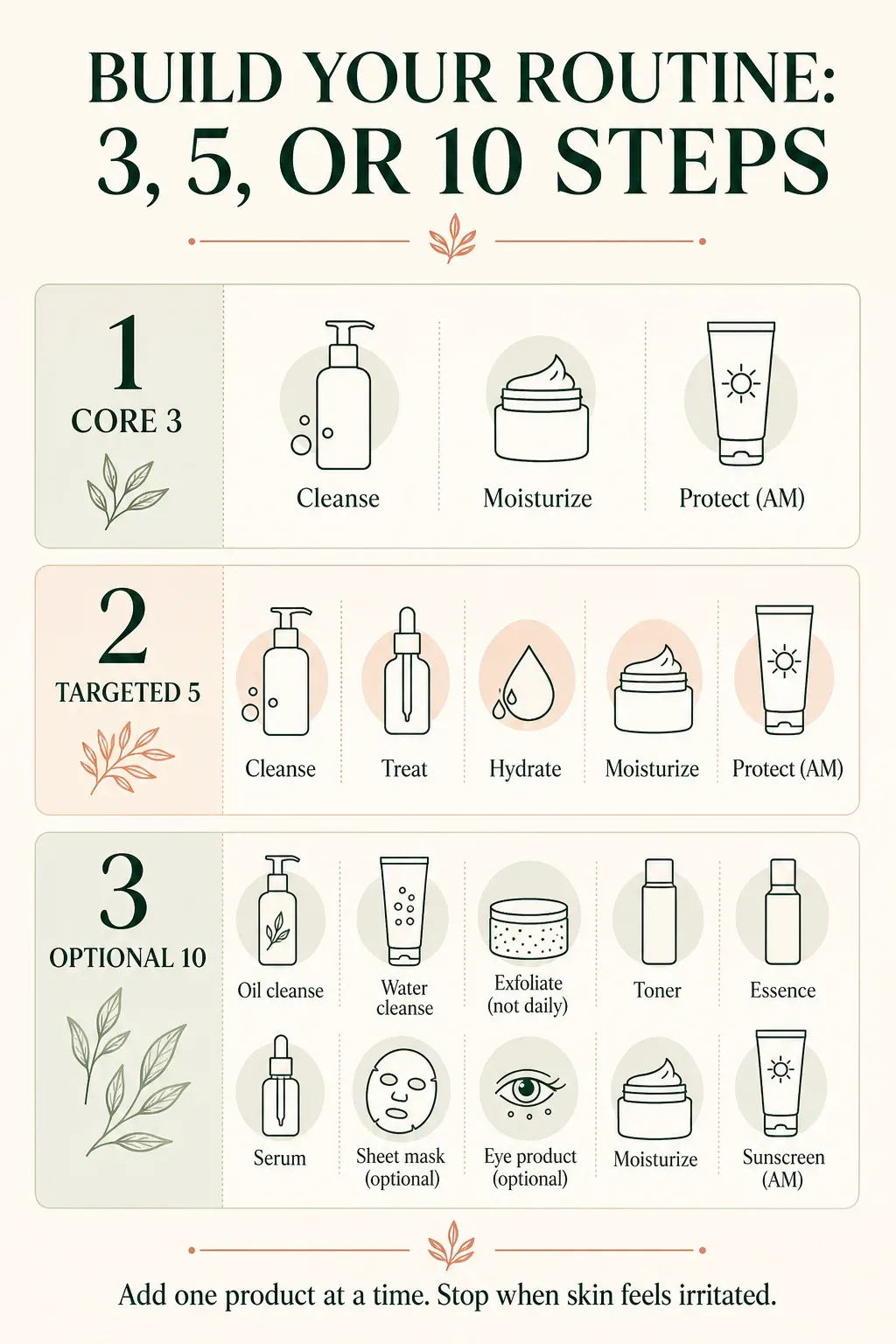
Use the 10 steps as a menu, not a daily mandate. The useful order is oil cleanser, water-based cleanser, exfoliant, toner, essence, treatment, mask, eye product, moisturizer, then sunscreen in the morning.
Most routines work with three to five steps. Add an optional layer only when it has a defined job, remains comfortable, and does not duplicate another product.
- Build a core of cleansing, moisturizing and daytime sun protection.
- Use exfoliants, masks and strong treatments on a schedule rather than automatically every day.
- Order products from cleansing to treatment, then seal with moisturizer.
- Introduce one product at a time and pause when skin burns, swells or cracks.
- Judge the routine by comfort and results, not by the number of bottles.
The original idea is flexible
The famous Korean 10-step routine describes categories that can appear across a week. It was never a scientific requirement that every face needs ten separate products morning and night.
Think of it as a wardrobe. You keep dependable basics and select optional pieces for the weather, occasion and condition of your skin.
This guide was rebuilt by the SkinOptimizer Editorial Team using current dermatology guidance, formulation principles and recurring reader questions. We do not claim that a longer routine is superior or that the featured examples were tested in a controlled comparison.
Choose three, five or ten steps
The smallest effective routine is often the easiest to repeat. In the morning, that may mean rinse or cleanse, moisturize if needed, and apply broad-spectrum sunscreen.
At night, remove makeup and sunscreen, cleanse without stripping, then moisturize. That core can support oily, dry, combination and sensitive skin because the textures can change without changing the logic.
| Routine size | What it contains | Who it suits |
|---|---|---|
| Core 3 | Cleanse as needed, moisturize, morning sunscreen | Beginners, reactive skin, busy schedules |
| Targeted 5 | Core plus one treatment and one supportive hydrating layer | A clear concern with stable tolerance |
| Optional 10 | All categories distributed across the week | People who enjoy layering and can monitor reactions |
A product does not earn a place because it is popular. It earns a place when you can describe the job in one sentence and tell whether it is helping.
If two products both claim to hydrate, brighten and smooth, choose the one with the better texture and simpler schedule. Duplicated promises often create more cost and more opportunities for irritation.
The 10 skincare steps, in practical order
1. Oil cleanser or cleansing balm
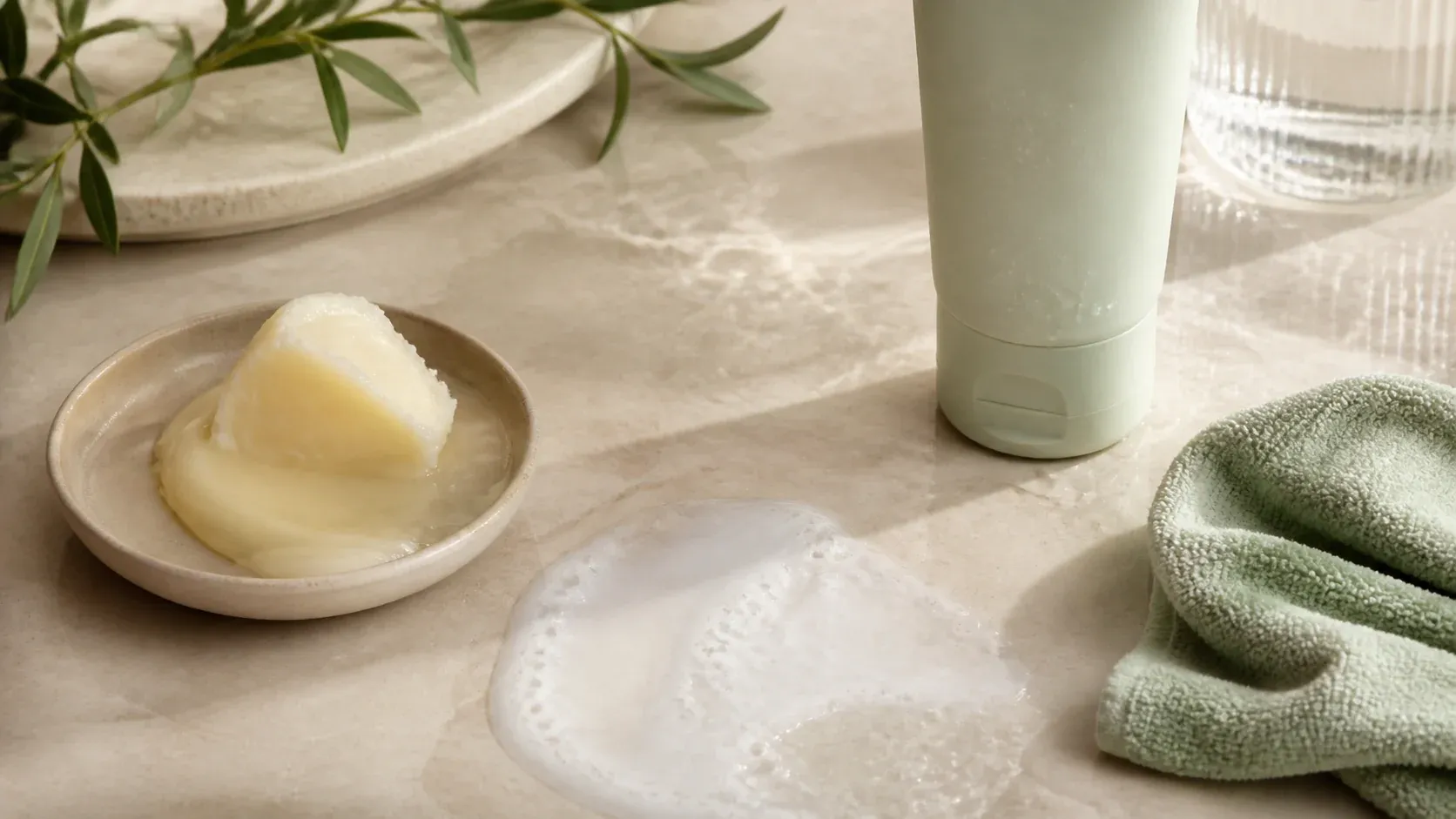
An oil-based first cleanse dissolves makeup, water-resistant sunscreen and oily residue. Massage it gently, emulsify with water, and rinse rather than rubbing with a cloth.
This step is optional. Skip it when one gentle cleanser removes the day cleanly and your face does not retain makeup, sunscreen or a greasy film.
2. Water-based cleanser
A water-based cleanser removes sweat, loosened debris and the residue of a first cleanse. Choose a comfortable formula and use lukewarm water.
Squeaky tightness is not proof of cleanliness. It is a signal that the cleanser, water temperature or washing time may be too aggressive.
3. Exfoliant
Leave-on salicylic acid can suit clogged, oily pores, while alpha hydroxy acids can address surface roughness. Neither belongs in every routine, and physical scrubbing is not required.
Start once weekly and increase only if the skin stays comfortable. Do not introduce an exfoliant on the same week as a retinoid or another strong active.
4. Toner
Modern toners can be light hydrating layers, but they are not needed to “restore pH” after every well-formulated cleanser. An alcohol-heavy, stinging toner may add irritation without solving a problem.
Use toner when the texture improves comfort or provides a specific tolerated ingredient. Otherwise, move directly to essence or treatment.
5. Essence
An essence is usually a fluid hydrating product placed before thicker serums. It can make a routine feel more comfortable, especially when one moisturizer feels too heavy on its own.
It remains optional. A hydrating serum or moisturizer can often perform the same supporting role.
6. Treatment or serum
This is where a concern-specific ingredient belongs, such as niacinamide, azelaic acid, vitamin C or a retinoid. Pick one primary treatment before building combinations.
Use the label as the starting schedule. More frequent application is not automatically more effective when irritation forces repeated breaks.
7. Sheet mask or rinse-off mask
A mask is an occasional experience, not a required pathway to healthy skin. Hydrating sheet masks can temporarily increase surface hydration, while clay masks can absorb oil for a short time.
Do not sleep in a mask unless it is designed for overnight use. Stop a mask that burns, and avoid using it to compensate for an irritating daily routine.
8. Eye product
A dedicated eye cream is useful when its texture or targeted ingredient solves a problem that your face moisturizer does not. Many people can use a small amount of a gentle facial moisturizer around the orbital bone.
Keep products out of the eye and lash line. Our eye cream versus face cream guide explains the decision in detail.
9. Moisturizer
Moisturizer reduces water loss and supports the barrier with humectants, emollients and occlusive ingredients. Gel textures may feel better in heat, while creams can suit cold or dry conditions.
A moisturizer is not only for dry skin. Oily or acne-prone skin can also benefit from a light, non-irritating layer.
10. Sunscreen in the morning
Broad-spectrum sunscreen is the final morning skincare step before makeup. Apply a generous, even layer and reapply according to the label, especially outdoors, after swimming or after heavy sweating.
The American Academy of Dermatology sunscreen guide explains broad-spectrum protection and water resistance. Sunscreen is not an evening step.
Order rules that matter more than slogans
Cleanse first because treatment cannot work well through a layer of makeup and residue. Place thin water-based products before thicker creams so each layer can spread without being blocked by an occlusive film.
Those rules are flexible. A moisturizer can go before a retinoid to buffer sensitive skin, and a dermatologist may give a different order for a prescription.
The American Academy of Dermatology recommends cleansing, treatment, moisturizer or sunscreen in a straightforward sequence. Its skin-care order guidance is a useful reminder that correct use matters more than a crowded shelf.
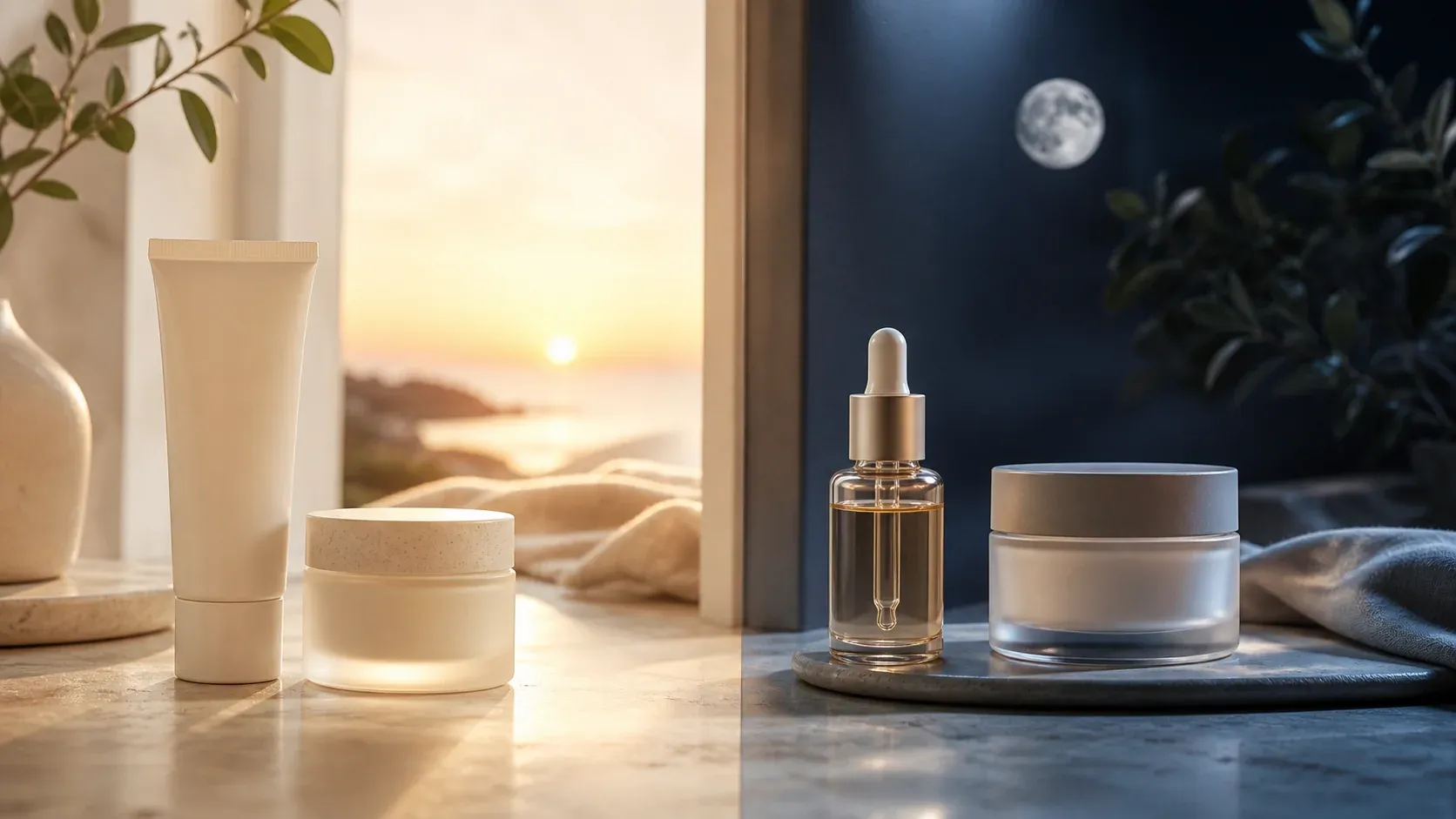
Morning and evening are different jobs
Morning
- Rinse or cleanse when needed.
- Use a hydrating layer or antioxidant if it earns a place.
- Moisturize according to comfort.
- Finish with sunscreen.
Evening
- Remove makeup or resistant sunscreen.
- Cleanse gently.
- Apply one scheduled treatment.
- Finish with moisturizer.
You do not need toner, essence, serum and mask in both routines. A hydrating essence might appear only on dry evenings, while vitamin C might appear only in the morning.
Retinoids and exfoliants often need separate nights during introduction. A weekly plan makes that separation easier than deciding in front of the bathroom mirror.
| Day | Treatment slot | Support |
|---|---|---|
| Monday | Retinoid or selected treatment | Gentle cleanse and moisturizer |
| Tuesday | Recovery night | Hydrating layer and moisturizer |
| Wednesday | Exfoliant if tolerated | No second strong active |
| Thursday | Recovery night | Barrier-focused routine |
| Friday to Sunday | Repeat only the proven schedule | Adjust for comfort and plans |
Use a one-in, one-out rule
Before adding a serum, name the existing product that it will replace or the missing job it will perform. If you cannot name either, postpone the purchase.
If you are choosing products for these steps, the Korean skincare selection guide helps you choose one useful role by skin need and check the exact market version.
Introduce the new product alone for two to four weeks. That creates a readable signal and protects a routine that already works.
Adapt the routine to your skin
Oily or acne-prone skin
Choose a cleanser that removes oil without repeated washing, a light moisturizer and a sunscreen you will apply generously. Salicylic acid or adapalene can be useful, but each needs a measured introduction.
Do not stack exfoliating cleanser, acid toner and peeling serum. That is three versions of one job and a common route to burning and rebound discomfort.
Dry or barrier-stressed skin
Prioritize gentle cleansing, glycerin-rich hydration, ceramides and an appropriately rich moisturizer. Remove optional acids and masks until washing no longer stings.
Our skin barrier repair guide explains the different jobs of humectants, lipids and occlusives. A complex routine cannot outsmart a damaged barrier.
Sensitive or reactive skin
Keep the ingredient load small and patch-test new formulas. Fragrance-free labeling can be helpful, but no label guarantees that a product will suit every person.
Introduce active ingredients at low frequency and keep a plain recovery routine ready. See our retinol guide for sensitive skin before adding a retinoid.
Combination skin
Use the same basic routine across the face, then adjust texture or amount by zone. A lighter moisturizer on the T-zone and a richer layer on dry cheeks may be simpler than two complete routines.
Spot-apply strong treatment only when its instructions support that use. Do not exfoliate the entire face merely because the nose feels congested.
How long to wait between layers
Most products need only enough time to spread and stop feeling very wet. There is no universal 30-minute rule between ordinary hydrating layers.
Wait longer when formulas pill, a prescription label requires dry skin, or a buffered active feels more comfortable after moisturizer. If pilling continues, reduce the number of layers before buying a new primer.
Apply from the center outward with light pressure. Rubbing harder does not increase absorption and can create redness that is mistaken for “circulation.”
Two practical product fits
These are examples, not a mandatory pair or universal winners. Each represents one clear routine job and should be considered against the products you already own.
The Ordinary Squalane Cleanser
Best for: makeup or sunscreen removal in a vegan-labeled cleansing format
Why it fits: The balm-to-oil texture is designed to dissolve residue and can serve as the first or only cleanse depending on the day.
Before you buy: A second cleanser is unnecessary when this removes the day comfortably; check the current regional label.
Buy it if: the formula, texture and current label match the job described above.
Skip it if: you already own a tolerated product that performs the same job.
As an Amazon Associate, SkinOptimizer may earn from qualifying purchases. Verify the seller, package and current ingredient list before ordering.
Beauty of Joseon Relief Sun Aqua-Fresh Rice + B5 SPF50+ PA++++
Best for: people seeking a lighter-feeling Korean sunscreen for ordinary daily wear
Why it fits: The brand positions it as a fresh, hydrating sunscreen and publishes current use directions on its official page.
Before you buy: It is not generally positioned as water-resistant; choose a suitable labeled product for swimming or heavy sweat.
Buy it if: the formula, texture and current label match the job described above.
Skip it if: you already own a tolerated product that performs the same job.
As an Amazon Associate, SkinOptimizer may earn from qualifying purchases. Verify the seller, package and current ingredient list before ordering.
The Ordinary currently identifies its products as vegan and cruelty-free on its official FAQ. Beauty of Joseon provides the current formula description and directions on the official Aqua-Fresh page.
Availability, ingredient lists and regulatory claims can change by region. Treat an Amazon listing as a buying route, not the source of truth for instructions.
Mistakes that make a long routine fail
The first mistake is introducing several products together. When stinging or breakouts follow, every bottle becomes a suspect and the only practical solution is to simplify.
The second mistake is assuming tingling proves activity. Persistent burning, swelling, hives, cracking or eye irritation are stop signals, not signs to push through.
The third mistake is copying an influencer's frequency without copying their climate, skin history and prescription context. A routine should survive your real mornings, budget and tolerance.
The fourth mistake is using masks and exfoliants to repair irritation caused by masks and exfoliants. Recovery means fewer variables, gentle cleansing, moisturizer and daytime protection.
How to introduce the routine over eight weeks
Weeks one and two establish the core. Use one cleanser, one moisturizer and sunscreen, then record tightness, oiliness and any stinging.
Weeks three and four add one concern-specific product. Use it at the lowest sensible label frequency and keep every other product unchanged.
Weeks five and six assess the signal. Continue when comfort is stable and the intended outcome is moving in the right direction.
Weeks seven and eight add an optional hydrating layer only if it solves a remaining problem. Do not add a product merely to complete the number ten.
Photograph the skin in similar light once every two weeks instead of inspecting it every hour. A simple log is more reliable than memory when changes are gradual.
Before adding the next step
- I can state the product's single primary job.
- My core cleanser, moisturizer and sunscreen feel comfortable.
- I am introducing only one new formula.
- I know the starting frequency and the stop rules.
- I am not duplicating another exfoliant, retinoid or hydrating layer.
- I will reassess after a realistic trial rather than tomorrow morning.
When a dermatologist should guide the routine
Seek professional advice for painful acne, scarring, persistent dermatitis, swelling, infection, sudden pigment change or a rash that does not settle after stopping new products. A clinician can confirm the diagnosis before a long cosmetic routine hides it.
Pregnancy, breastfeeding, prescription treatment and chronic skin disease can change which active ingredients are appropriate. Bring the product list or photographs of the labels to the appointment.
For a simpler alternative, use our minimalist skincare routine. For application details, open how to layer skincare products and our seasonal routine guide.
Frequently Asked Questions
Do I need all 10 skincare steps every day?
No. Most people need a cleanser when appropriate, moisturizer when needed, and daytime sunscreen. The other steps are optional tools for a specific concern or preference.
How long should I wait between skincare steps?
Usually only until the previous layer is no longer very wet or slippery. Longer waits are useful when pilling occurs, but a universal timer is unnecessary.
Can beginners start a 10-step routine at once?
That makes reactions difficult to trace. Start with a stable core, then introduce one optional product at a time for several weeks.
Is double cleansing necessary if I do not wear makeup?
Not automatically. One gentle cleanser may be enough when it removes the day's sunscreen and debris without leaving residue or tightness.
Should the morning and evening routine contain the same steps?
No. Morning emphasizes protection, while evening emphasizes removal and treatment. Many active products belong in only one routine or on selected nights.
Question discovery was informed by recurring discussions in r/AsianBeauty, another routine discussion, and r/koreanskincare. Reddit informed the questions, not the medical conclusions.
The bottom line
A good 10-step skincare routine is not a checklist to complete. It is a framework that helps you see which categories exist and which ones your skin can skip.
Protect the core, add one targeted product at a time, and keep optional steps enjoyable rather than compulsory. The best routine is the smallest one that reliably performs the jobs you need.
This article is for informational purposes only and does not replace professional dermatological advice.