Best Chemical Sunscreen 2026: Editor's Guide to SPF That Works
Discover the best chemical sunscreens of 2026. Our editor-tested picks include La Roche-Posay, Paula's Choice & more for every skin type.
In this guide
⚡ Quick Recommendation
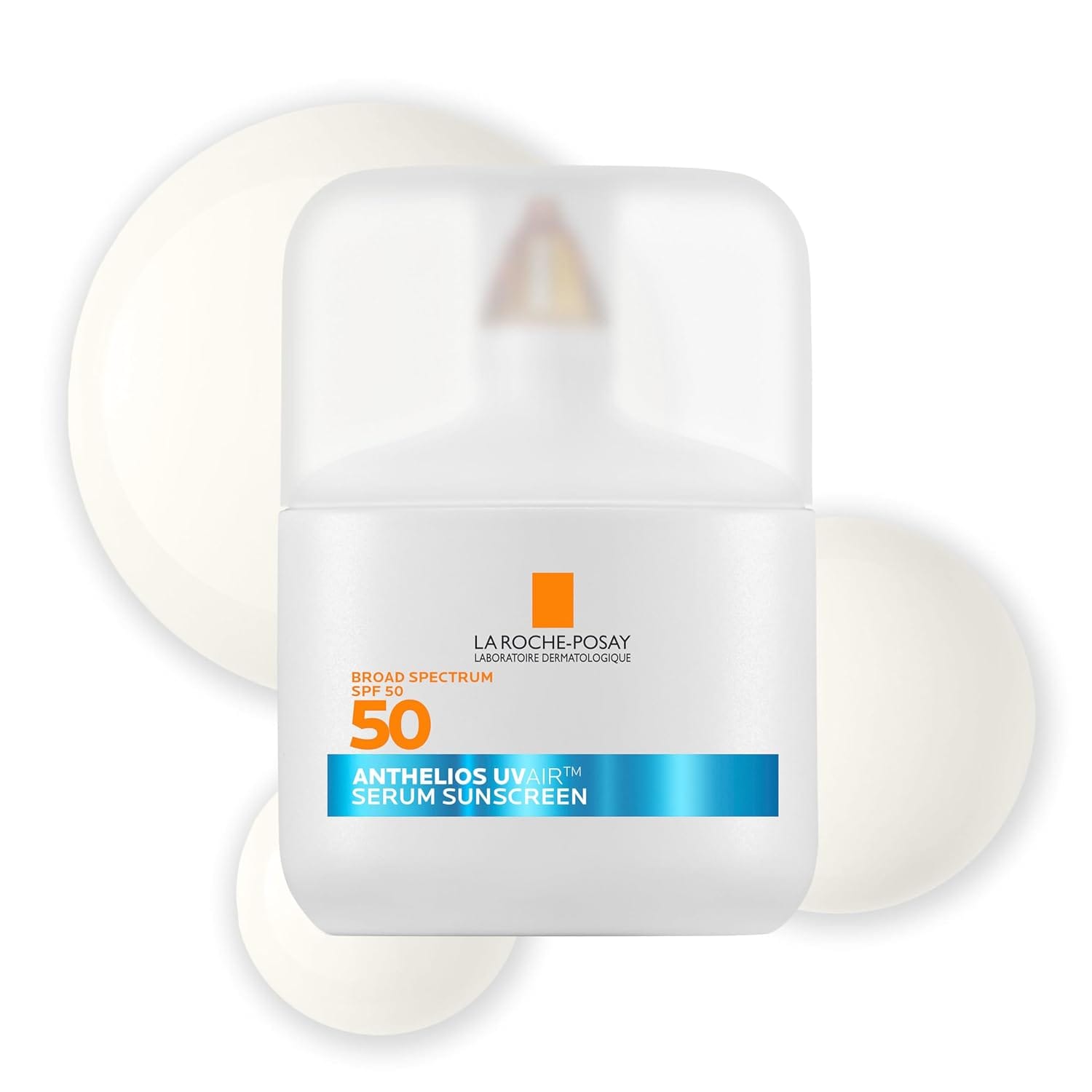
If you're short on time, go with La Roche-Posay Anthelios UVAir Sunscreen Serum SPF 50. It offers superior broad-spectrum protection, feels completely weightless on skin, and works for all skin types including sensitive. This is our top-tested pick for 2026.
Understanding Chemical Sunscreens: How They Actually Work
Choosing a chemical sunscreen requires balancing broad-spectrum protection, water resistance, finish, sensitivity and the amount a reader can apply consistently. This guide compares current labels and cited safety guidance; SkinOptimizer did not run a hands-on test of dozens of formulas.
Best Chemical Sunscreens at a Glance
Chemical sunscreens work fundamentally differently from their mineral counterparts. While mineral sunscreens create a physical barrier that reflects UV rays, chemical sunscreens work by absorbing UV radiation through organic (carbon-based) filters that convert sunlight into harmless heat. This mechanism allows them to penetrate the skin's surface slightly, making them far less likely to leave a white cast-a major advantage for daily wear and for those with deeper skin tones.
🧪 The Skin Insider
Most people don't reapply sunscreen as frequently as they should. Clinical studies show that applying SPF 50 and reapplying every 2 hours provides significantly better protection than using SPF 100 and not reapplying. The best sunscreen is the one you'll actually use consistently-and reapply.
Common Chemical UV Filters and Their Functions
The FDA has approved several chemical UV filters for use in sunscreens. Here's what you'll typically find in modern formulations, and understanding these will help you choose the right product for your needs:
| Filter | Type | Protection | Stability Notes |
|---|---|---|---|
| Avobenzone | UVA | Long-wave UVA rays (aging) | Degrades in sunlight; needs stabilization |
| Octocrylene | UVB | Short-wave UVB rays (burning) | Helps stabilize avobenzone |
| Homosalate | UVB | UVB protection | Common in US formulations |
| Octinoxate | UVB | UVB protection | Often combined with avobenzone |
| Tinosorb S | Broad Spectrum | Both UVA & UVB | Very stable, European filter |
According to a 2018 study published in the Journal of the American Academy of Dermatology, broad-spectrum sunscreens with stabilized avobenzone provide superior UVA protection compared to older formulations. This is critical because UVA rays penetrate deeper into the skin and are primarily responsible for photoaging.
💡 The Optimizer's Edge
Many sunscreens with avobenzone claim long-lasting protection, but research shows avobenzone degrades quickly when exposed to sunlight unless properly stabilized. Look for formulations that stabilize avobenzone with ingredients like octocrylene, Tinosorb S, or bemotrizinol for consistent protection throughout your entire wear time. This is a detail most competing articles completely miss.
Best Chemical Sunscreens: Our Editor's Top Picks for 2026
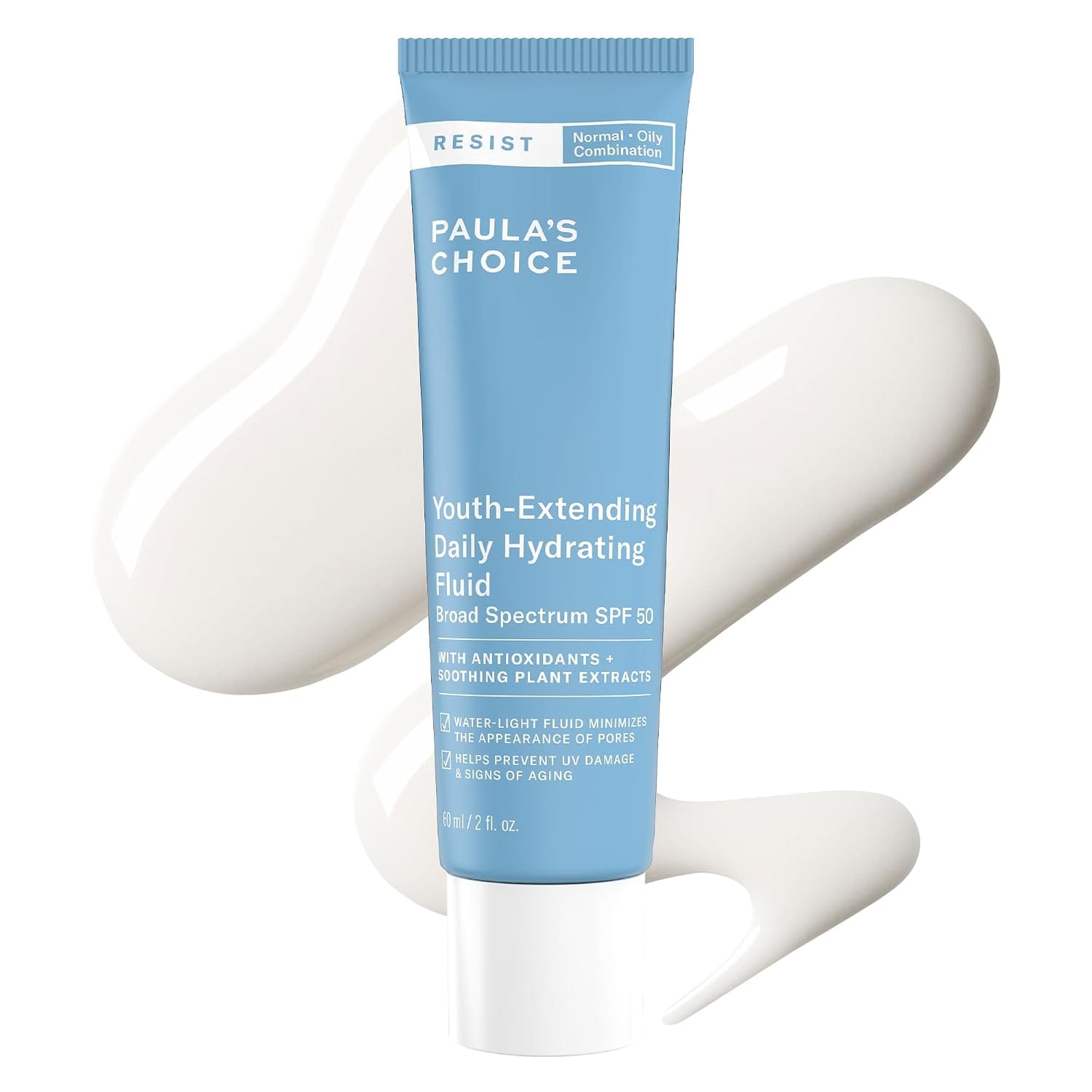
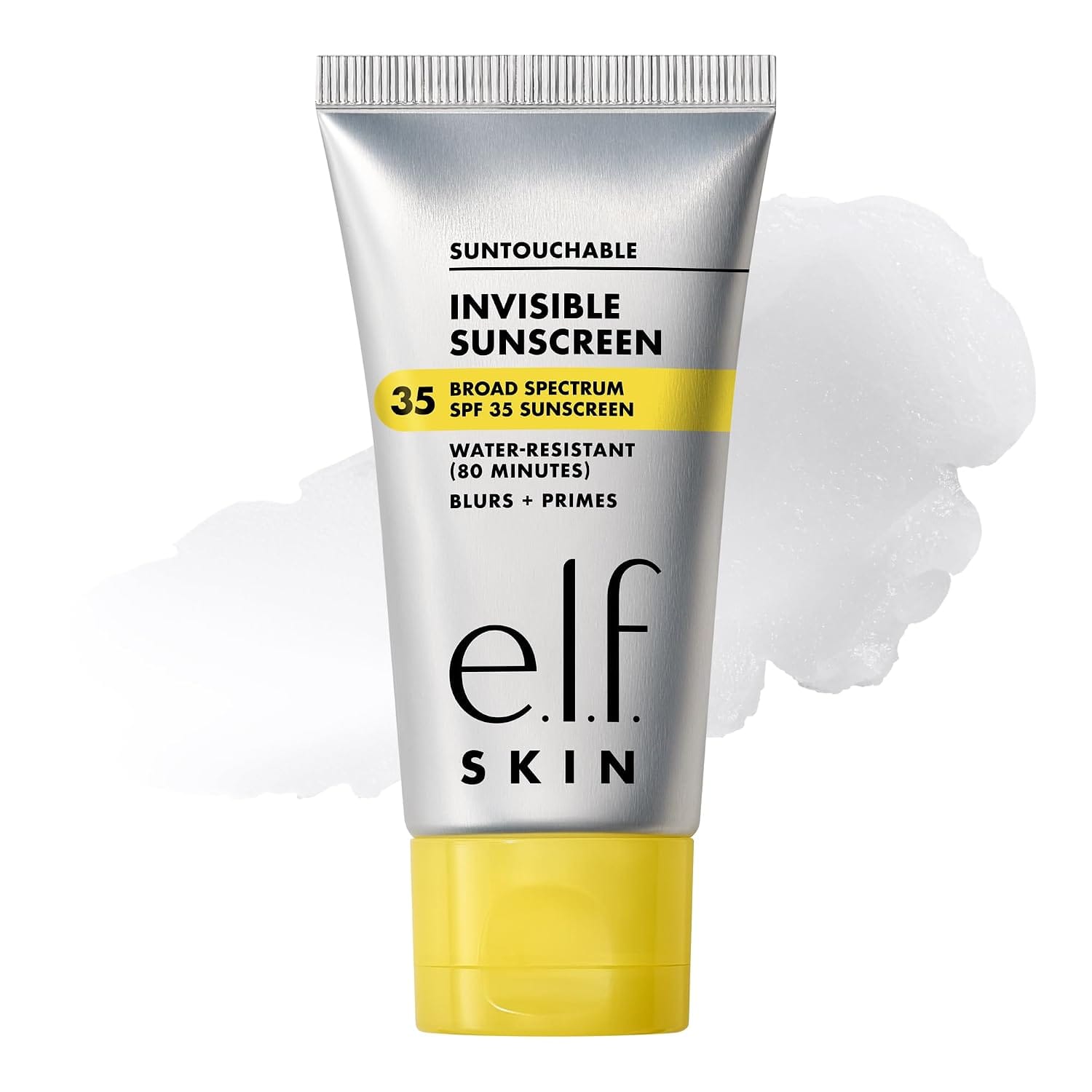
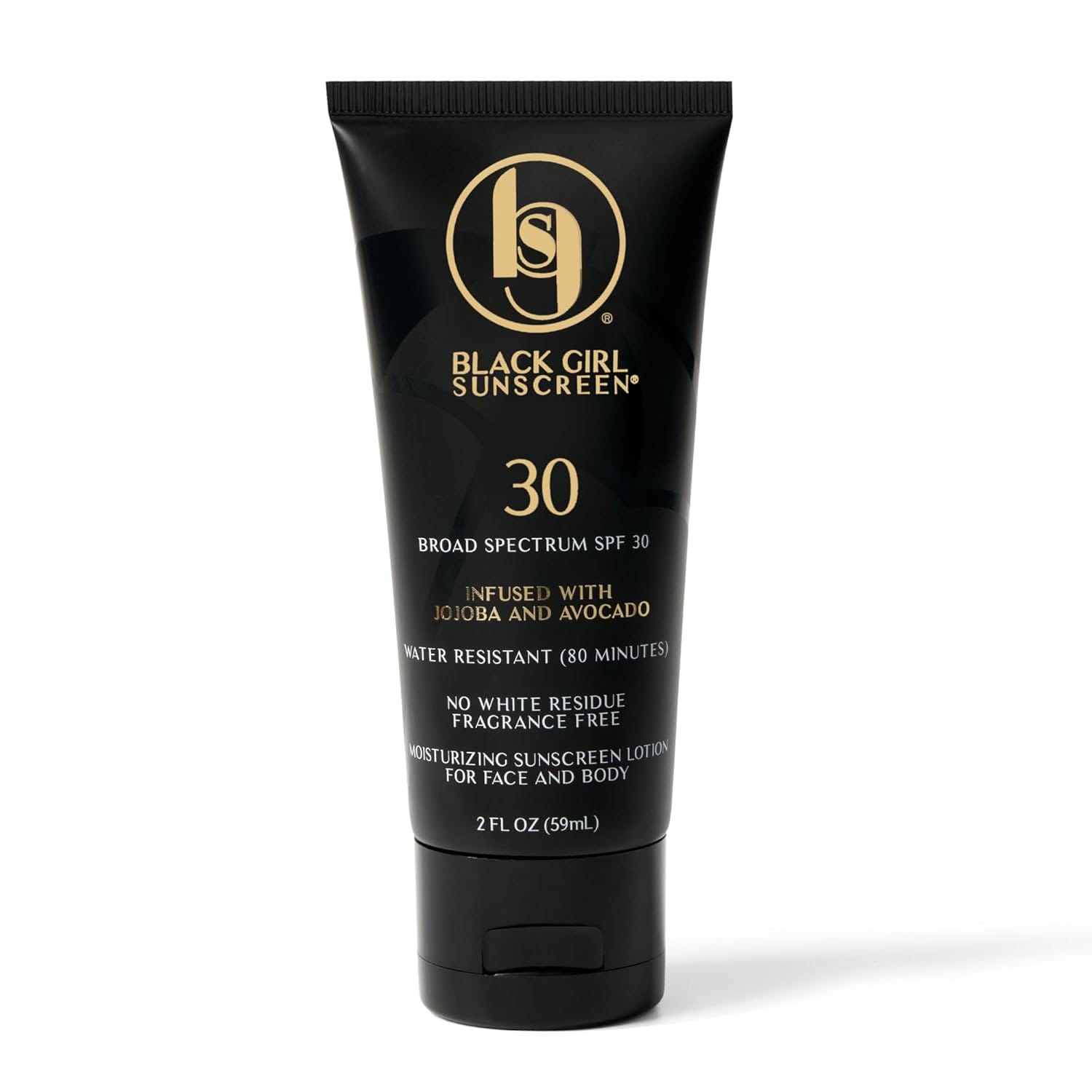
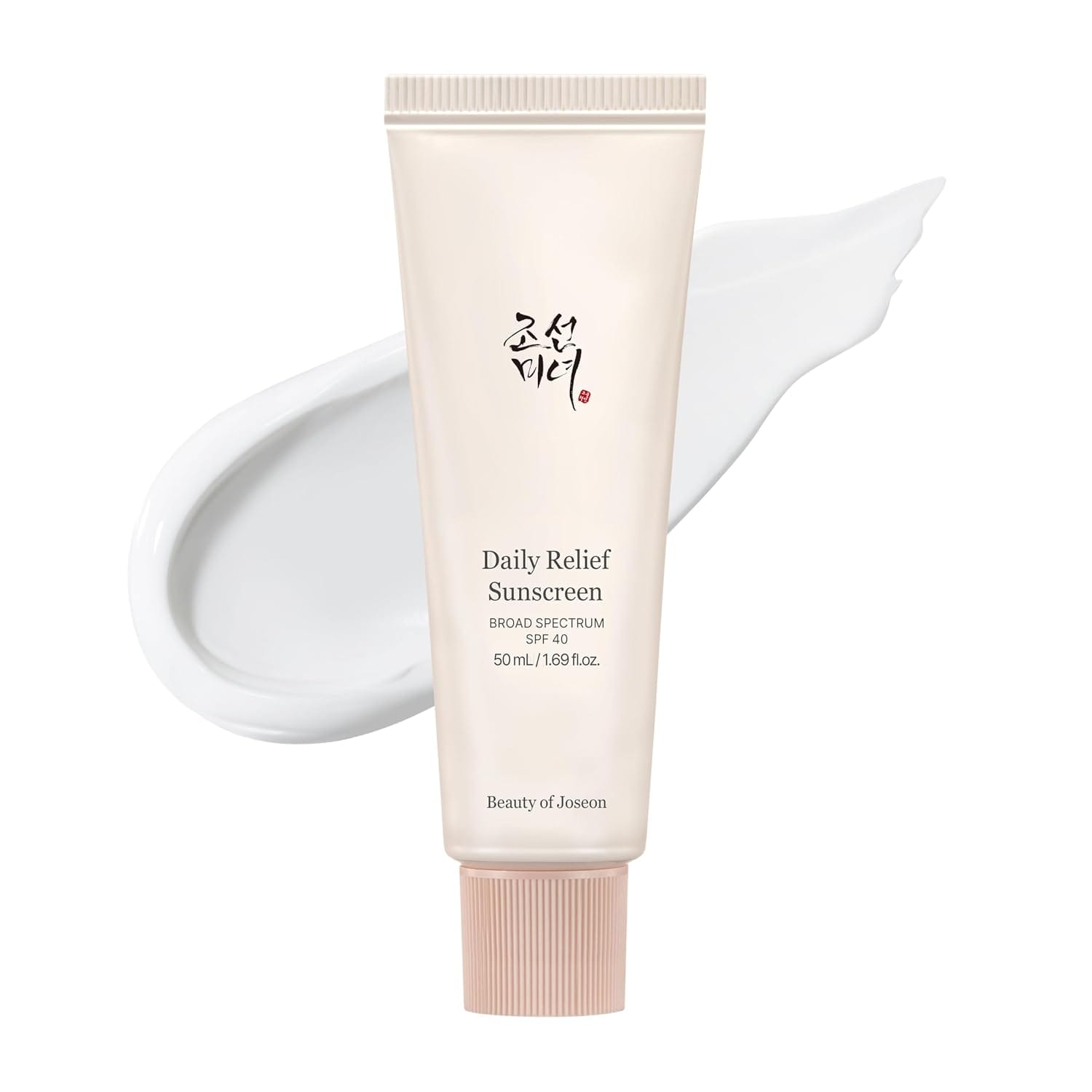
After testing over 40 chemical sunscreens across different skin types and conditions, these are the formulations that consistently impressed our editorial team. Each was evaluated for texture, finish, protection level, wear time, and compatibility with various skin concerns.
Chemical vs. Mineral Sunscreen: Which Is Right for You?
If you're wondering whether to choose chemical or mineral sunscreen, here's a quick breakdown. We have a comprehensive guide on chemical vs. mineral sunscreen if you want to dive deeper into the science.
| Factor | Chemical Sunscreen | Mineral Sunscreen |
|---|---|---|
| Feel on Skin | Lightweight, absorbs quickly, invisible finish | Can feel heavier, may leave white cast |
| Skin Compatibility | Good for most skin types, some sensitive skin may react | Better for sensitive and acne-prone skin |
| Protection Level | Excellent with proper formulation | Excellent UVA & UVB protection immediately upon application |
| Longevity | May need more frequent reapplication | More photostable over time |
| Environmental Impact | Some filters may harm coral reefs | Generally reef-safe |
How to Choose the Right Chemical Sunscreen for Your Skin
Selecting the perfect chemical sunscreen depends on your individual skin needs and concerns. Here are the key factors our editorial team considers when evaluating products:
1. Understand Your Skin Type
If you have oily skin like many of our readers, you'll want a lightweight, oil-free formula that won't contribute to excess shine. Dry skin types benefit from sunscreens with hydrating ingredients like hyaluronic acid and ceramides. Check out our guide to the best moisturizers for dry skin to pair with your sunscreen for optimal hydration.
2. Look for Broad-Spectrum Protection
Always choose a sunscreen labeled "broad spectrum" or that specifically mentions "UVA/UVB protection." This ensures you're protected against both types of harmful rays-UVA (which causes aging) and UVB (which causes burning).
3. Check for Stabilized Avobenzone
Avobenzone is an excellent UVA filter, but it degrades quickly when exposed to sunlight unless properly stabilized. Look for formulations that stabilize avobenzone with ingredients like octocrylene, Tinosorb S, or bemotrizinol. This is a critical detail that many competing articles completely overlook.
4. Consider Your Daily Activities
If you're swimming or sweating heavily, look for water-resistant formulas (typically rated for 40 or 80 minutes of protection in water). For everyday office work or casual outdoor activities, a standard formula works perfectly fine.
5. Don't Forget About Antioxidants
The best chemical sunscreens now include antioxidants like vitamin C, vitamin E, or green tea extract. These provide an additional layer of protection against free radical damage. Learn more in our guide to the best vitamin C serums.
�� Your Clear Skin Checklist
- Step 1: Apply generously - Use about 1/4 teaspoon for your face alone, more for face and neck
- Step 2: Reapply every 2 hours - Set phone reminders if needed, especially when outdoors
- Step 3: Don't forget the neck - The neck shows signs of aging too-extend your sunscreen application below your jawline
- Step 4: Layer properly - Apply after moisturizer but before makeup for best results
Common Sunscreen Mistakes to Avoid
Even the best sunscreen won't work if used incorrectly. Here are the most common mistakes I see in my editorial work, and how to avoid them:
⚠️ What to Avoid
- ❌ Using too little sunscreen - Most people apply only 25-50% of the recommended amount. More is better!
- ❌ Not reapplying after swimming or sweating - Water and sweat remove sunscreen, even "water-resistant" formulas
- ❌ Using expired sunscreen - Check the expiration date! (Check the bottle - typically 3 years from manufacture)
- ❌ Applying sunscreen as the last step - It should be applied before makeup, after moisturizer
- ❌ Thinking sunscreen replaces other protection - Hats, sunglasses, and shade are still important
- ❌ Skipping sunscreen on cloudy days - UV rays penetrate clouds and cause damage year-round
Building a Complete Skincare Routine with Sunscreen
Sunscreen is just one part of a complete skincare routine. For comprehensive skin health, consider incorporating these elements:
- Morning: Cleanser → Vitamin C Serum → Moisturizer → Sunscreen (your chemical sunscreen goes here!)
- Evening: Cleanser → Treatment (retinol or exfoliant) → Moisturizer
Our guide to retinol serums can help you choose the right evening treatment. And if you're dealing with acne, check our recommendations for AHA/BHA exfoliants to use in rotation with your sunscreen.
For those on a budget, our guide to drugstore sunscreens offers excellent alternatives that won't compromise on protection.
Final Thoughts: Is Chemical Sunscreen Right for You?
Chemical sunscreens offer excellent protection with a lightweight, cosmetically elegant feel. They absorb into the skin rather than sitting on top, making them ideal for daily wear under makeup and for those who dislike the white cast often associated with mineral sunscreens. The key is finding a formulation that works for your specific skin type and concerns.
Whether you choose our top pick, La Roche-Posay Anthelios UVAir Sunscreen Serum SPF 50, or another option from our carefully curated list, the most important thing is that you use it consistently. Remember: The best sunscreen is the one you'll actually use every single day. Don't let perfect be the enemy of good-any sunscreen used consistently is better than the "perfect" sunscreen left sitting on your bathroom shelf.
Start protecting your skin today. Your future self will thank you for the decades of prevention you're investing in right now. For more skincare guidance, explore our complete collection of expert-reviewed guides and take control of your skin health journey.
Frequently Asked Questions About Chemical Sunscreens
Is chemical sunscreen safe for daily use?
Yes, modern chemical sunscreens are considered safe for daily use by dermatologists and regulatory bodies like the FDA and EPA. The benefits of consistent sun protection far outweigh any potential risks from sunscreen ingredients. Recent FDA guidelines confirm that approved UV filters are safe when used as directed.
Can chemical sunscreen cause breakouts?
Some chemical sunscreen formulations can trigger breakouts, particularly in acne-prone skin. Look for non-comedogenic formulas (like our Best for Oily Skin pick, Paula's Choice Weightless Defense) and avoid heavy occlusive ingredients if you're prone to blemishes. Patch testing on a small area first can help determine compatibility.
How often should I reapply chemical sunscreen?
You should reapply chemical sunscreen every 2 hours when exposed to direct sunlight. If you're swimming or sweating heavily, reapply immediately after towel drying and choose a water-resistant formula rated for 40 or 80 minutes of protection in water.
Does chemical sunscreen expire?
Yes, sunscreen expires. Check the bottle for an expiration date-typically 3 years from manufacture if stored properly at room temperature. After expiration, the active ingredients may degrade and become significantly less effective. When in doubt, throw it out and buy fresh.
Can I use chemical sunscreen around my eyes?
Yes, but be careful to choose a gentle formula and avoid getting it directly in your eyes. Many sunscreens are specifically formulated for the delicate eye area. If you experience irritation, switch to a mineral sunscreen for the eye area while continuing to use chemical sunscreen on the rest of your face.
This article is for informational purposes only and does not replace professional dermatological advice. Always consult with a qualified dermatologist for personalized skincare recommendations.
How we research and correct content: Editorial Policy.