Essential Skincare for Mixed Ethnicities: Tailoring Your Routine for Unique Needs
Build an evidence-based skincare routine for mixed ethnicities. Fitzpatrick skin types, melanin management, and barrier science explained clearly.
In this guide
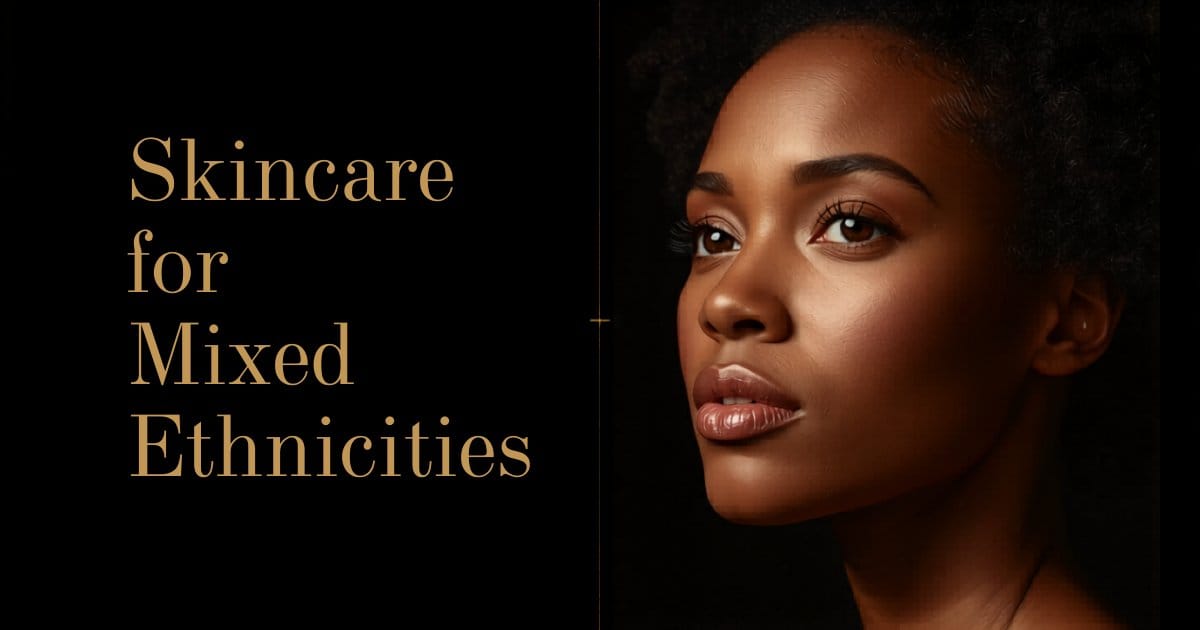
Finding the right skincare for mixed ethnicities can feel like navigating a system that was designed for single skin types. If your heritage blends different Fitzpatrick phototypes - for example, one parent with fair Celtic skin and another with deep melanin-rich skin - your skin may express traits from both sides in ways standard skincare advice rarely addresses.
Want the product picks?
Jump to product picksMixed-ethnicity skin is not a compromise between two skin types. It is a distinct biological profile with its own melanin distribution, barrier behavior, and sensitivity patterns. Understanding this profile is the first step toward a routine that actually works with your skin instead of against it.
Why Standard Skincare Advice Falls Short for Mixed Ethnicities
Most skincare content categorizes skin into simplified buckets: oily, dry, combination, sensitive. These labels ignore the deeper biological variables that determine how your skin behaves. For mixed-ethnicity individuals, the reality is more complex.
Your melanin production, transepidermal water loss (TEWL), ceramide composition, and inflammatory response can all sit somewhere between the typical ranges of your ancestral backgrounds. This means a product that works for one skin type may not work for you - not because your skin is difficult, but because it is biochemically unique.
The Intersection of Fitzpatrick Phototypes
The Fitzpatrick skin type scale classifies skin into six categories based on melanin content and UV response. Type I burns easily and never tans. Type VI tans easily and rarely burns. Mixed-ethnicity individuals often fall into Types III through V, but their melanin distribution may be uneven across different body areas.
This uneven distribution creates a phenomenon dermatologists call mosaic pigmentation: some areas of your face may have higher melanin activity than others, leading to patchy responsiveness to active ingredients, UV exposure, and inflammation.
This is not a flaw in your skin. It is a structural reality that requires a more nuanced approach than general "combination skin" advice can provide.
TL;DR - Skincare for Mixed Ethnicities at a Glance
◆ Key Takeaways
1. Mixed-ethnicity skin has a unique melanin distribution, barrier function, and inflammatory response that differ from single-phototype skin.
2. Sunscreen is non-negotiable. Natural SPF 13.4 in darker skin offers partial protection but does not eliminate the risk of hyperpigmentation, photoaging, or skin cancer.
3. Post-inflammatory hyperpigmentation (PIH) is the most common concern for medium to deep mixed-ethnicity skin and requires targeted ingredients, not harsh brighteners.
4. Barrier-supporting ingredients (ceramides, niacinamide, squalane) are foundational because mixed-ethnicity skin often has variable TEWL across different facial zones.
5. Patch test every new product. Your skin's response profile is individual and cannot be predicted solely by ancestry.
? Fullscreen
Skincare for Mixed Ethnicities - Evidence-Based Approach
⚙ The Skin Insider
Having reviewed formulations across dozens of skincare brands marketed to "ethnic" or "multicultural" skin, most of them rely on the same assumption: that darker skin needs heavier moisturizers and lighter skin needs lighter textures. Mixed-ethnicity skin challenges this binary. The most effective approach I have seen in clinical formulation work is ingredient modularity - choosing each product based on your skin's current barrier state, not your heritage label.
The Science of Mixed-Ethnicity Skin
Understanding the biological underpinnings of mixed-ethnicity skin helps you make informed decisions rather than relying on marketing claims. Let us examine the key physiological factors.
Melanin Content and Distribution
Melanin is the pigment that determines skin color and provides natural photoprotection. Research published in PMC confirms that lighter skin (Fitzpatrick Types I-III) has a natural SPF of approximately 3.3, while darker skin (Types IV-VI) has a natural SPF of 13.4. Mixed-ethnicity individuals often fall between these values, meaning their photoprotection is partial but not complete.
More importantly, melanin distribution in mixed-ethnicity skin is frequently uneven. Some areas - particularly the cheeks, forehead, and perioral region - may produce melanin at different rates, leading to a higher risk of post-inflammatory hyperpigmentation (PIH) after any inflammatory event, including acne, eczema, or even aggressive exfoliation.
Skin Barrier and Transepidermal Water Loss
A PubMed review (34491028) examining racial and ethnic variations in skin barrier function found significant differences in transepidermal water loss (TEWL), lipid content, and desquamation rates across ethnic groups. Studies comparing African American skin to White skin found that darker skin has higher TEWL (indicating greater water loss) but also higher lipid content and skin conductance, meaning it is naturally better moisturized when the barrier is intact.
For mixed-ethnicity individuals, this creates a unique scenario: your skin may have higher lipid production in certain zones (the sebaceous-rich midface) while experiencing higher water loss in others (the cheeks and jawline). This is why a single-moisturizer approach rarely works. You may need targeted hydration strategies.
Inflammatory Response and Pigmentation
Mixed-ethnicity skin often exhibits a heightened inflammatory response compared to lighter phototypes. This means that any irritation - from an active ingredient, environmental stressor, or physical trauma - can trigger a stronger and longer-lasting pigment response. This is the biological basis for why PIH is the most common dermatological concern in Fitzpatrick Types IV and V.
The clinical implication is clear: avoid aggressive exfoliation, high-concentration retinoids without proper buffering, and any product that causes stinging or burning. These sensations indicate inflammation, which in mixed-ethnicity skin can result in visible pigmentation changes that take months to resolve.
Fitzpatrick Skin Phototypes at a Glance
| Type | Skin Color | UV Response | Natural SPF | PIH Risk |
|---|---|---|---|---|
| I | Pale white | Always burns | ~3.3 | Low |
| II | White / fair | Burns easily | ~3.3 | Low |
| III | Beige / light brown | Burns moderately | ~3.3-8 | Moderate |
| IV | Olive / moderate brown | Burns minimally | ~8-13 | High |
| V | Brown skin | Rarely burns | ~13.4 | Very High |
| VI | Dark brown / black | Never burns | ~13.4 | Very High |
Source: Data compiled from Fitzpatrick (1975) classification and PMC photoprotection review (PMC12018068). Mixed-ethnicity individuals commonly fall in Types III-V, inheriting traits from both ancestral phototypes.
Building a Skincare Routine for Mixed Ethnicities
A routine designed for mixed-ethnicity skin must address three overlapping priorities: barrier integrity, melanin regulation, and targeted hydration. Let us walk through each step with ingredient-specific guidance.
Step 1: Gentle Cleansing
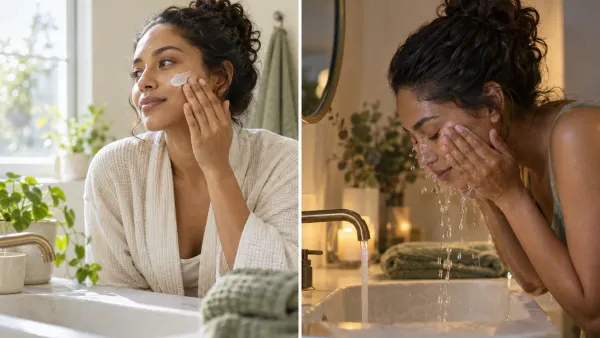
Harsh surfactants strip the skin barrier and trigger inflammation - a direct path to PIH in melanin-rich skin. Choose a non-foaming or cream-based cleanser with glycerin or ceramides as the primary cleansing base. Avoid sodium lauryl sulfate (SLS) and high-pH formulas.
Double cleansing in the evening is beneficial if you wear sunscreen or makeup, but ensure the oil-based first step uses non-comedogenic oils like squalane or jojoba, not coconut or olive oil, which can clog pores in the sebaceous midface.
Step 2: Targeted Hydration
Because TEWL can vary across different facial zones in mixed-ethnicity skin, hydration should be approached with a multi-texture strategy. Use a hydrating serum (containing glycerin, sodium PCA, or panthenol) across the entire face, then apply a richer moisturizer to areas that feel tighter - typically the cheeks, jawline, and temples - while using a lighter gel-cream on the T-zone.
Step 3: Melanin Support and Protection
This is where mixed-ethnicity skincare diverges most from standard advice. Your routine should include three categories of ingredients:
- Melanin regulators: Niacinamide (at 4-5%), tranexamic acid, and azelaic acid help reduce excessive melanin production without the irritation of hydroquinone.
- Photoprotection: Mineral sunscreen (zinc oxide or titanium dioxide) is preferable because chemical filters can generate heat during absorption, potentially triggering pigment response in melanin-active skin.
- Barrier reinforcement: Ceramides, cholesterol, and fatty acids in a 3:1:1 ratio support the lipid matrix and reduce TEWL.
Product pick
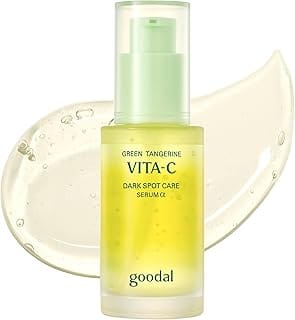
Goodal Vitamin C Dark Spot Brightening Serum
Why it fits: A vitamin C and 5% niacinamide serum can support a brighter-looking tone while staying more approachable than harsher acid-heavy routines. Patch test first if your barrier is reactive.
Watch-out: Check the ingredient list and introduce it slowly if your skin is reactive.
Check Availability on Amazon →As an Amazon Associate, we earn from qualifying purchases.
As an Amazon Associate, we earn from qualifying purchases.
⚯
Ingredients That Matter for Mixed-Ethnicity Skin
Not all active ingredients are suitable for melanin-rich or mixed-ethnicity skin. Some ingredients that work well on Fitzpatrick Types I-II can cause irritation and subsequent hyperpigmentation in Types IV-V. The table below summarizes which ingredients are generally safe and which require caution.
| Ingredient | Function | Suitability for Mixed-Ethnicity Skin |
|---|---|---|
| Niacinamide | Melanin regulation, barrier support, sebum control | ✓ Excellent - low irritation, multi-functional |
| Azelaic Acid | PIH reduction, anti-inflammatory, antimicrobial | ✓ Excellent - specifically studied for melanin-rich skin |
| Tranexamic Acid | Melanin pathway inhibition, PIH treatment | ✓ Good - well-tolerated, evidence-supported |
| Retinoids (low %) | Cell turnover, collagen stimulation, texture improvement | ⚠ Caution - start at 0.025%-0.05%, buffer with moisturizer |
| Glycolic Acid | Chemical exfoliation, surface cell turnover | ✗ Risk - can cause PIH at concentrations above 5% |
| Hydroquinone | Melanin suppression, depigmentation | ✗ Risk - long-term use can cause ochronosis in Types IV-VI |
Product pick
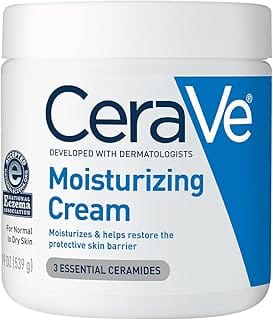
CeraVe Moisturizing Cream
Why it fits: A fragrance-free ceramide moisturizer that fits when cheeks, jaw, or forehead react differently. Use it as the stabilizing base before adding brightening actives.
Watch-out: Check the ingredient list and introduce it slowly if your skin is reactive.
Check Availability on Amazon →As an Amazon Associate, we earn from qualifying purchases.
As an Amazon Associate, we earn from qualifying purchases.
☣
☢ The Optimizer's Edge
Most skincare articles group all "ethnic" or "multicultural" skin into a single category and recommend the same products. This ignores a critical variable: the specific ratio of melanin photoprotection to transepidermal water loss determines whether your skin needs lightweight hydration or deep barrier repair on any given day. The most advanced approach is to assess your skin barrier each week and adjust your moisturizer weight accordingly - not based on your skin type label, but on your skin's current measurable state.
Common Skin Concerns for Mixed Ethnicities
Post-Inflammatory Hyperpigmentation
PIH is the most frequently reported concern among individuals with Fitzpatrick Types IV and V. Every pimple, scratch, or inflammatory reaction has the potential to leave a dark mark that persists for weeks or months. The key to managing PIH is prevention: avoid picking at spots, use anti-inflammatory ingredients (niacinamide, azelaic acid) proactively, and wear sunscreen daily.
For existing hyperpigmentation, DermNet describes sun protection and topical options such as azelaic acid and tretinoin. Treatment choice depends on the cause and skin tolerance. Avoid hydroquinone without dermatological supervision, especially for prolonged use.
Uneven Texture and Acne Scarring
Mixed-ethnicity skin can produce both hypertrophic scarring (raised scars) and atrophic scarring (depressed scars) depending on the inflammatory response. Silicone-based scar gels and consistent use of retinoids can help, but the most effective approach is preventing acne in the first place through a non-irritating routine.
Sunscreen Confusion
A persistent myth is that darker skin does not need sunscreen. This is false. While melanin provides partial photoprotection (up to SPF 13.4), it does not protect against UVA-induced photoaging or the immunosuppressive effects of UV exposure. Mineral sunscreens with zinc oxide or titanium dioxide are ideal because they sit on top of the skin and do not generate heat, reducing the risk of pigment irritation.
01Gentle Cleanse + ProtectFOUNDATIONPotencyGentleNon-foaming cream cleanser + mineral SPF 30+ daily. No harsh actives. This is the non-negotiable baseline.02Targeted Pigment ControlINTERVENTIONPotencyGentleAdd niacinamide (4-5%) AM + azelaic acid (10-15%) PM. Use for 8-12 weeks before evaluating PIH reduction.03Advanced Texture RenewalADVANCEDPotencyGentleIntroduce low-dose retinoid (0.025%-0.05%) buffered over moisturizer, 2-3 nights per week. Increase slowly over 3 months.04Dermatologist ConsultationMEDICALPotencyGentleIf pigmentation persists beyond 12 weeks of targeted home care, seek a board-certified dermatologist experienced in melanin-rich skin for in-office treatments.Decision GuideConcern Dark Spots / PIH → Azelaic Acid + NiacinamideConcern Dry / Tight Cheeks → Ceramide Cream + SqualaneConcern Oily T-Zone → Niacinamide + Gel MoisturizerConcern Uneven Texture → Low-Dose Retinoid (buffered)Concern Sunscreen Sting → Mineral SPF (Zinc Oxide)Educational skincare guide. Not medical advice.⚙ Science-Backed
Product pick
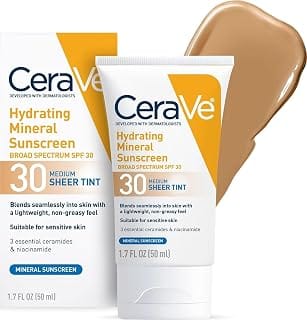
CeraVe Hydrating Mineral Sunscreen Sheer Tint SPF 30
Why it fits: A tinted mineral sunscreen option for readers who want a lower white-cast finish. Test the tint on the jawline first because no single tint disappears on every skin tone.
Watch-out: Check the ingredient list and introduce it slowly if your skin is reactive.
Check Availability on Amazon →As an Amazon Associate, we earn from qualifying purchases.
As an Amazon Associate, we earn from qualifying purchases.
☀
✓ Your Clear Skin Checklist
- Step 1: Switch to a non-foaming, cream-based cleanser and a mineral SPF 30+ sunscreen. Use both consistently for 2 weeks before adding any active ingredients.
- Step 2: Introduce niacinamide (4-5%) in your AM routine and azelaic acid (10-15%) in your PM routine. Assess pigmentation changes after 8-12 weeks.
- Step 3: If texture concerns persist, add a buffered low-dose retinoid (0.025%) 2-3 nights per week. Consult a dermatologist if pigmentation does not improve after 12 weeks of consistent use.
Conclusion
Skincare for mixed ethnicities is not about choosing between two skin types. It is about understanding that your skin has its own unique melanin distribution, barrier behavior, and inflammatory response pattern. The most effective approach is to build a routine that respects these variables rather than forcing your skin into a pre-existing category.
Start with the foundation: gentle cleansing, mineral sunscreen, and barrier-supporting hydration. Then layer targeted ingredients like niacinamide and azelaic acid to manage melanin activity and prevent hyperpigmentation. Progress slowly, introduce one product at a time, and always listen to your skin's response rather than following generic advice.
Your skin is not a blend. It is its own biology. Treat it accordingly.
Frequently Asked Questions About Skincare for Mixed Ethnicities
What Fitzpatrick skin type is most common for mixed-ethnicity individuals?Mixed-ethnicity individuals most commonly fall into Fitzpatrick Types III through V, which means their skin has moderate to high melanin content, burns minimally to rarely, and tans readily. However, the specific melanin distribution can be uneven, with some facial areas responding differently to UV and inflammation than others. This is why personalized skincare based on observed behavior is more useful than relying solely on phototype classification.Can mixed-ethnicity skin use the same active ingredients as lighter skin types?Not always. Ingredients that work for Fitzpatrick Types I-II, such as high-concentration glycolic acid (above 5%) or un-buffered retinoids, can cause inflammation in melanin-rich skin and trigger post-inflammatory hyperpigmentation. Safer alternatives include azelaic acid, niacinamide, and low-dose retinoids (0.025-0.05%) applied over a moisturizer. Always patch test new actives on a small area for 5-7 days before full-face application.Is sunscreen necessary for mixed-ethnicity skin with medium to dark tone?Yes. While darker skin provides natural photoprotection equivalent to approximately SPF 13.4, this is not sufficient to prevent UVA-induced photoaging, uneven pigmentation, or the immunosuppressive effects of ultraviolet radiation. Mineral sunscreens (zinc oxide or titanium dioxide) are recommended because they reflect UV without generating heat, reducing the risk of pigment irritation that some chemical filters can cause in melanin-active skin.How long does it take to treat hyperpigmentation on mixed-ethnicity skin?Post-inflammatory hyperpigmentation typically takes 8-12 weeks to show visible improvement with consistent use of targeted ingredients such as azelaic acid, niacinamide, and sun protection. Deeper pigmentation may require 6 months or longer. If over-the-counter products do not produce results within 12 weeks, a board-certified dermatologist experienced in treating melanin-rich skin can prescribe stronger options such as prescription-strength azelaic acid (15-20%) or in-office procedures.Should mixed-ethnicity skin use different moisturizers on different face areas?Yes. Many individuals with mixed-ethnicity heritage have variable sebum production and transepidermal water loss across different facial zones. A multi-texture approach - using a lightweight gel-cream on the T-zone and a richer ceramide-based cream on the cheeks, jawline, and temples - can address this variability more effectively than a single product. This is sometimes called "skin cycling by zone" and is supported by the structural diversity observed in mixed-ethnicity skin barrier function.
This article is for informational purposes only and does not replace professional dermatological advice.