Stop Wasting Money: Best Lip Balms That Actually Hydrate for Glass Lips
Stop the reapplication cycle. Find the best lip balms that actually hydrate, learn why your lips are dry, and master the "Lip Slugging" ritual today.

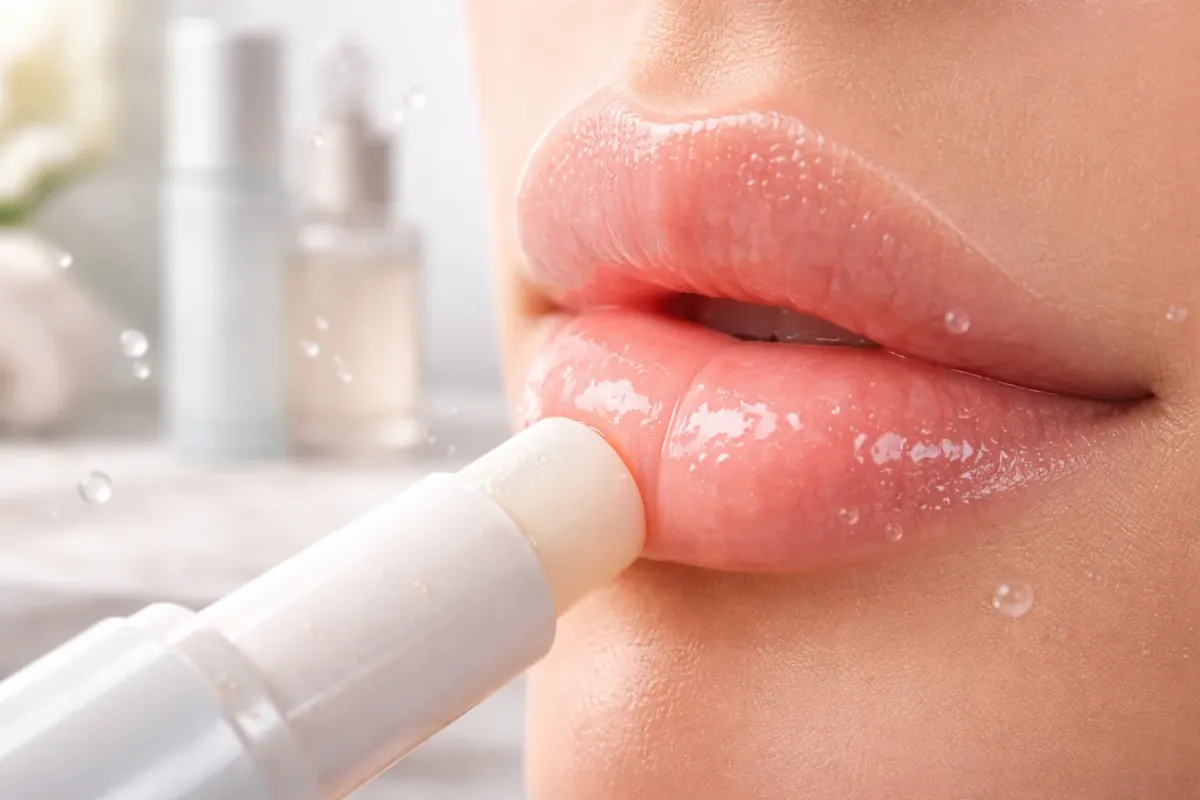
Finding the best lip balms that actually hydrate is often like searching for a needle in a haystack—if that needle was covered in useless paraffin and minty perfume that only makes your pout peel more.
Let's be honest, darlings: we have all been there. You’re at the checkout, your lips feel like a piece of dehydrated fruit, and you grab that cute little tube promising "instant relief."
Fast forward twenty minutes, and you're reapplying it for the tenth time. It’s a cycle of madness, and today, we are breaking it.
💡 Key Takeaways
As someone who has spent decades in the beauty labs, I can tell you that most "balms" are just sophisticated candles in a tube.
They coat; they don’t cultivate. To get those pillowy, "glass-skin" lips, you need a strategy that involves chemistry, not just wax.
We're going deep into why your current routine is failing, the "Lip Slugging" trend you actually need to know about, and the vetted list of products that will finally stop the flake.
The Lip Balm Lie: Why Most Products Fail to Hydrate
The truth is, the skin on your lips is an architectural anomaly. Unlike the rest of your face, your lips don’t have sebaceous (oil) glands, a fact supported by the American Academy of Dermatology.
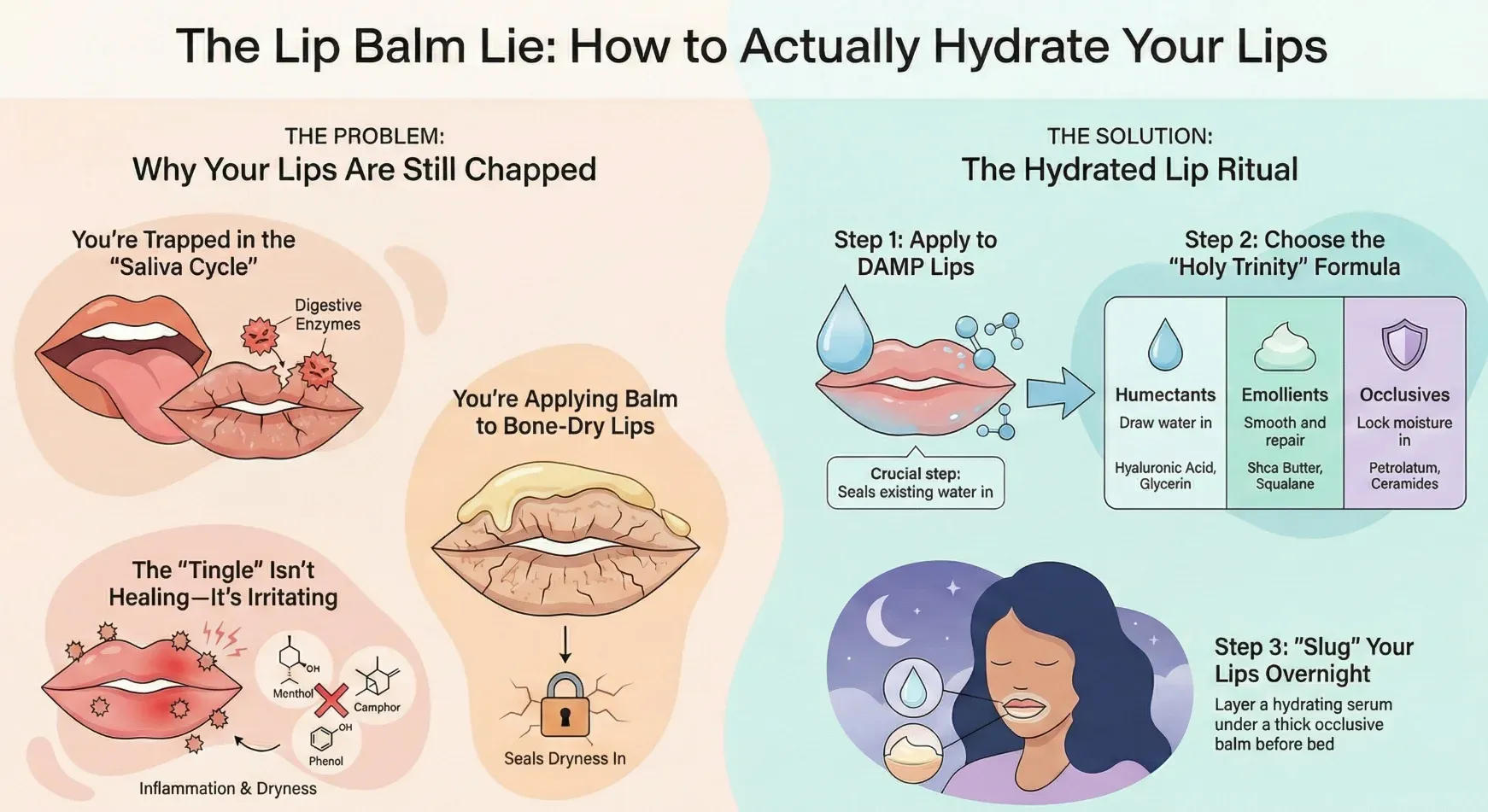
They are essentially a thin, vulnerable "vermilion" border that is constantly exposed to the elements. When you use a low-quality balm, you’re often just applying a heavy occlusive (like cheap petrolatum) over already dry skin. You aren’t adding moisture; you’re just sealing the dryness in.
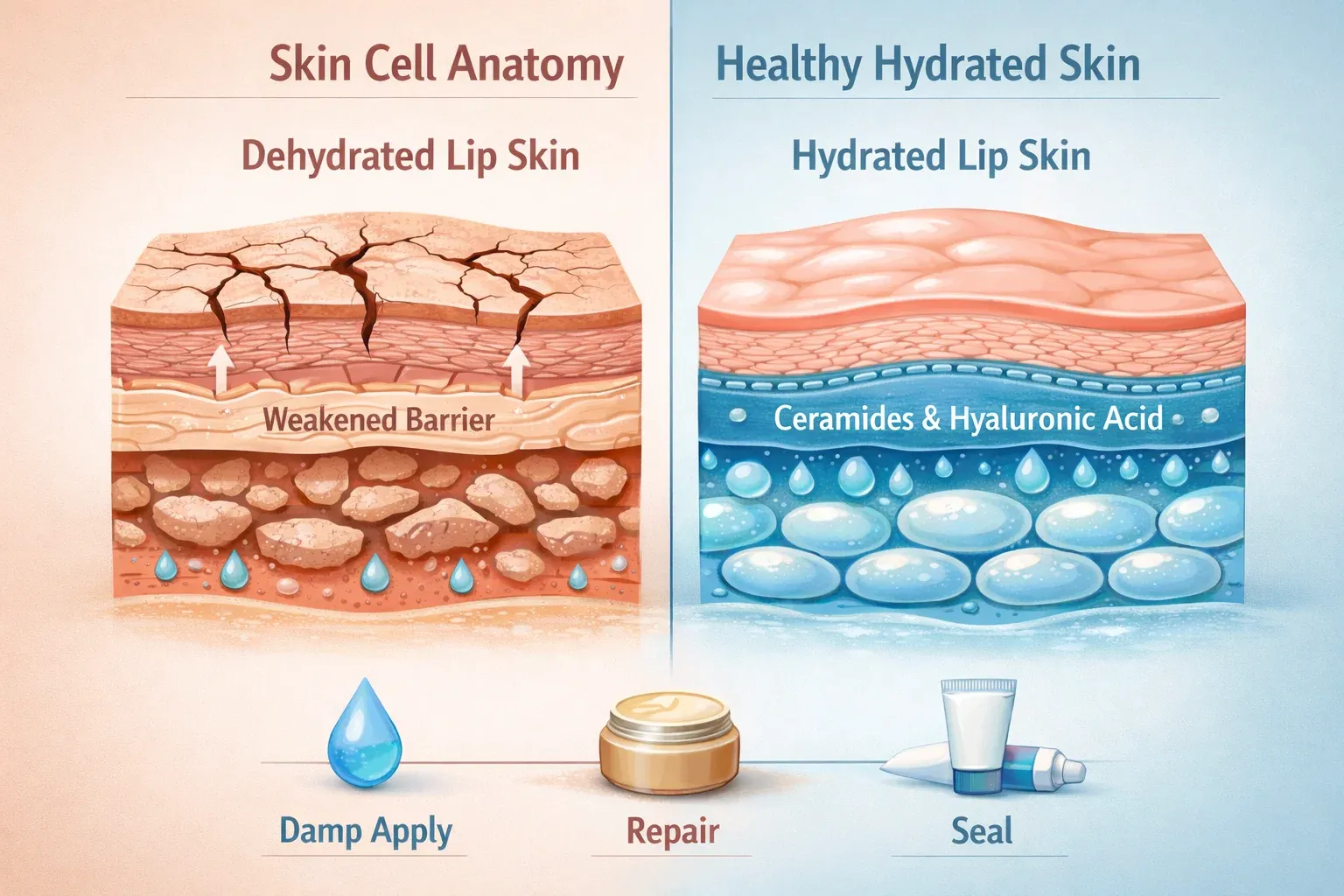
To understand why your lips are constantly chapped, you have to look at the "Hydration vs. Moisturization" debate. Hydration is about drawing water into the cells; moisturization is about keeping it there.
The best lip balms that actually hydrate do both. They contain humectants to pull in moisture and emollients to repair the barrier. If your balm only has wax, it’s not a hydrator—it’s a raincoat. And nobody wants to wear a raincoat in a desert.
The Ingredient "Red Flag" Checker
🚨 Is Your Balm a Villain?
Check your current lip balm label. If it contains these "Tingle-Trap" ingredients, it might be the reason you're constantly reapplying!
- Menthol (Drying)
- Camphor (Irritant)
- Phenol (Exfoliant)
- Synthetic Fragrance
- Ceramides
- Lanolin (if not vegan)
- Squalane
- Hyaluronic Acid
"The tingle isn't healing; it's often your skin's SOS signal!" — Marcia K.
First, Let's Diagnose: The 4 Hidden Causes of Your Chronically Dry Lips
Before we get to the shopping list, we have to talk about the "Knowledge Gaps." Most blogs tell you to drink water. While is drinking water the key to clear skin is a valid question, it’s only a fraction of the lip health puzzle.
1. The Saliva Trap: The Enzyme Attack
When your lips feel dry, your first instinct is to lick them. Stop! Saliva contains digestive enzymes like amylase and maltase.
These are designed to break down food, and guess what? They’ll happily start breaking down the delicate skin on your lips too. This creates a "cycle of irritation" where the more you lick, the more damaged the barrier becomes.
2. Mouth Breathing: The Nighttime Dehydrator
If you wake up with lips that feel like parchment paper, you might be a nighttime mouth breather. This constant airflow triggers massive Transepidermal Water Loss (TEWL), essentially siphoning moisture away while you sleep.
No matter how much of the best lip balms that actually hydrate you apply in the morning, if you don't address the nighttime moisture loss, you’re fighting a losing battle. This is where "Lip Slugging" becomes your best friend.
3. The Matte Lipstick Hangover
We all love a bold look, but matte formulas are notorious for sucking the life out of your pout. If you’re a fan, you need the best lip care routine for people who wear matte lipstick to ensure you aren't sacrificing your skin for a shade.
4. Vaping and Lifestyle Habits
What nobody tells you is that heat and chemicals from vaping can cause "Vaper's Lips," a condition where the skin becomes chronically inflamed and dry. If you're struggling with this, understanding vapers lips vs smokers lips is critical for your recovery plan.
The Ingredient Matrix: Decoding the "Actually Hydrate" Promise
To find a product that works, you have to look past the branding. We want a formula that addresses the three pillars of skin health: Humectants, Emollients, and Occlusives.
Table 1: The Lip Hydration Holy Trinity
Ingredient Category | What It Does | Best Examples |
|---|---|---|
Humectants | Draws water from the air/deeper skin into the lips | Hyaluronic Acid, Glycerin, Honey |
Emollients | Softens the skin and fills in cracks/gaps | Shea Butter, Squalane, Jojoba Oil |
Occlusives | Creates a physical shield to stop water loss | Petrolatum, Beeswax, Lanolin, Ceramides |
Using hyaluronic acid for lips is a game-changer, but only if it's paired with an occlusive. If you apply HA without a "lid," it can actually draw moisture out of your lips in dry environments.
The 15 Best Lip Balms That Actually Hydrate, Vetted by Experts
Why These are the Best Lip Balms That Actually Hydrate
I've tested everything from the $2 drugstore staples to the $80 luxury pots. Here is the definitive list for 2025.
👉 List of recommended products on Amazon.com for you
Affiliate Disclaimer: This post may contain affiliate links, which means I may receive a small commission if you make a purchase through my links, at no extra cost to you. I only recommend products I genuinely believe in and would use myself. Your support helps keep this blog running and allows me to continue creating free content to help you achieve your best skin. Thank you for supporting SkinOptimizer!
1. Best Overall: La Roche-Posay Cicaplast Lips
This is the gold standard for a reason. It uses MP-lipids to help restore the skin's physical barrier. It’s non-greasy, fragrance-free, and works instantly on compromised skin.
- Pro Tip: Apply this before your morning coffee to create a protective barrier against heat.
2. Best for Barrier Repair: SkinCeuticals Antioxidant Lip Repair
If you've overdone the active ingredients, this is your reset button. It helps attract and retain water while providing vitamin E to fight free radicals.
3. Best Budget Hero: Aquaphor Lip Repair
It’s a classic for a reason. It’s no-frills, but it contains shea butter and vitamins that actually penetrate. For the price, it beats almost every mid-range competitor.
4. Best with SPF: EltaMD UV Lip Balm SPF 36
Never forget that UV damage is a primary cause of collagen loss in the lips. This is one of the few moisturizers with SPF specifically designed for the mouth that doesn't taste like chemicals.
5. Best Luxury Splurge: La Mer The Lip Balm
Is it expensive? Yes. But the "Miracle Broth" really does soothe on contact. It has a patented lipid complex that mimics the skin's natural moisture.
6. Best Overnight Mask: Laneige Lip Sleeping Mask
This cult favorite is essential for mouth breathers. It creates a thick, berry-infused film that ensures you wake up with "glass lips."
7. Best Natural Option: Weleda Skin Food Lip Butter
For those who prefer a "green" approach, this uses sunflower seed oil and chamomile to calm inflammation. It’s thick, rich, and deeply comforting.
8. Best for Intense Cold: Lanolips 101 Ointment
In the peak of winter, you need heavy-duty help. This is 100% pure medical-grade lanolin. Consult our winter lip care guide for how to layer this for maximum effect.
9. Best Tinted Hydrator: Summer Fridays Lip Butter Balm
Who says you can't have color and care? This vegan formula uses shea and murumuru seed butters for a silky finish that isn't sticky.
10. Best Peptide Treatment: Rhode Peptide Lip Treatment
Peptides are the secret to that "plumped" look without the filler. This formula focuses on cell communication to encourage the skin to repair itself.
11. Best Drugstore Stick: Burt’s Bees Advanced Relief
Avoid the original peppermint version if you're sensitive! The Advanced Relief version with cocoa butter is much more effective for actual hydration.
12. Best for Sensitive Skin: Vaseline Lip Therapy (Original)
Sometimes, simple is best. If your skin is reacting to everything, go back to basics. It’s the ultimate occlusive.
13. Best High-Tech Formula: Augustinus Bader The Lip Balm
Using TFC8 technology, this balm supports cellular renewal. It’s for the person who wants their lip balm to work as hard as their anti-aging serum.
14. Best for Travel: Jack Black Intense Therapy Lip Balm
Initially marketed for men, this has become a beauty editor favorite because it stays on through wind, sun, and plane rides.
15. Best "Lip Serum": Fresh Sugar Lip Serum Advanced Therapy
Think of this as a base coat. It’s thin, absorbs instantly, and should be layered under a heavier balm for the "Lip Slugging" effect.
The "Lip Slugging" Routine Builder
✨ The "Lip Slugging" Ritual
Transform your lips overnight with this three-step layering technique. Perfect for recovery after a long day.
- Hydrate: Apply a drop of your face's Hyaluronic Acid serum to damp lips.
- Repair: Layer a thin coat of a peptide-rich cream or serum.
- Slug: Seal it all in with a thick, "slug" layer of a heavy occlusive (Aquaphor or CeraVe Ointment).
Beyond the Balm: The 4-Step Ritual for Permanently Hydrated Lips
Even the best lip balms that actually hydrate will fail if your technique is wrong. Here is how the pros do it.
Step 1: The Gentle Exfoliation (Weekly Only!)
If you have flakes, don't rip them off. You’ll cause micro-tears and bleeding. Instead, use a soft, damp washcloth after your shower to gently buff away dead skin. Avoid harsh sugar scrubs that contain irritating oils.
Step 2: The Damp Application Trick
This is the "Knowledge Gap" secret: apply your balm to damp lips. Just like your body skin, your lips absorb more effectively when they aren't bone dry. After washing your face or drinking water, pat your lips slightly so they are moist, then apply your hydrator. You’re sealing in that water!
Step 3: Daytime Protection
During the day, focus on SPF and antioxidants to halt the UV-induced collagen breakdown that creates those vertical barcode lines around your mouth.
If you’re worried about aging, check out our guide on how to get rid of lines around your mouth.
Step 4: The Nighttime "Heal"
This is when your body enters repair mode. Use your thickest, goopiest, most occlusive treatment here. If you can still feel the balm when you wake up, you’ve done it right.
Table 2: AM vs. PM Lip Care Comparison
Feature | AM Strategy | PM Strategy |
|---|---|---|
Primary Goal | Protection & Prep | Intensive Repair |
Texture | Lightweight, non-sticky | Thick, occlusive "mask" |
Key Ingredient | SPF 30+ & Antioxidants | Ceramides & Peptides |
Layering | Under lipstick/gloss | Over a hydrating serum |
Specialty Concerns: When "Normal" Balms Aren't Enough
Sometimes, chapped lips are a medical symptom rather than a skincare failing.
Angular Cheilitis
If you have painful cracks at the corners of your mouth that won't go away, a standard balm won't help. This is often a fungal or bacterial infection caused by trapped saliva. You may need a topical antifungal from a professional.
Allergic Contact Dermatitis
Believe it or not, many people are allergic to "natural" ingredients like beeswax (propolis) or essential oils. If your lips get worse after using a "clean" balm, try switching to a pure petrolatum or squalane-based product.
You might find that is natural skincare always better is a myth in your case.
Nutritional Deficiencies
Low levels of B-vitamins (especially B12 and Riboflavin) or Iron can manifest as chronically dry, peeling lips. If you’ve tried every balm on this list and nothing works, it’s time for a blood test.
The "Lip Health" Checklist
🧡 Daily Lip Habits Check
- Did I apply SPF to my lips today?
- Have I avoided licking my lips for the last 2 hours?
- Is my bedroom humidity above 40%?
- Did I apply my "Slugging" layer before bed?
"Beauty isn't an accident; it's a routine!"
Conclusion: It’s About the Routine, Not Just the Tube
Finding the best lip balms that actually hydrate is the first step, but how you use them is what matters. Stop licking, start slugging, and always—always—protect those lips from the sun.
Your lips are the most expressive part of your face; treat them with the same respect you give your high-end serums.
Remember, darlings: consistency is the only "miracle" ingredient in beauty. Stick to the ritual, avoid the irritants, and you’ll have the hydrated, healthy pout you deserve.
Now, go forth and hydrate!
 Marry Jane S.
Lip Care & Hydration FAQ
Everything you need to know about keeping your pout perfect.
No, you cannot become physically addicted. However, many balms contain irritants like menthol or camphor that cause a 'cycle of dryness.' Switching to a fragrance-free, ceramide-based balm breaks this cycle.
Your balm likely contains chemical exfoliants or irritants like cinnamon or peppermint oil. Switch to a pure emollient like shea butter or squalane.
While internal hydration is important, it cannot fix a damaged external skin barrier. You must use topical occlusives to stop water loss.
If you are using a high-quality hydrator, 2-4 times a day is usually sufficient. If you feel the need to reapply every 30 minutes, your product is failing you.
Exfoliate gently, apply a thin layer of hydrating serum, let it sink in for 5 minutes, blot the excess, and then apply your lipstick for a smooth, non-crackly finish.